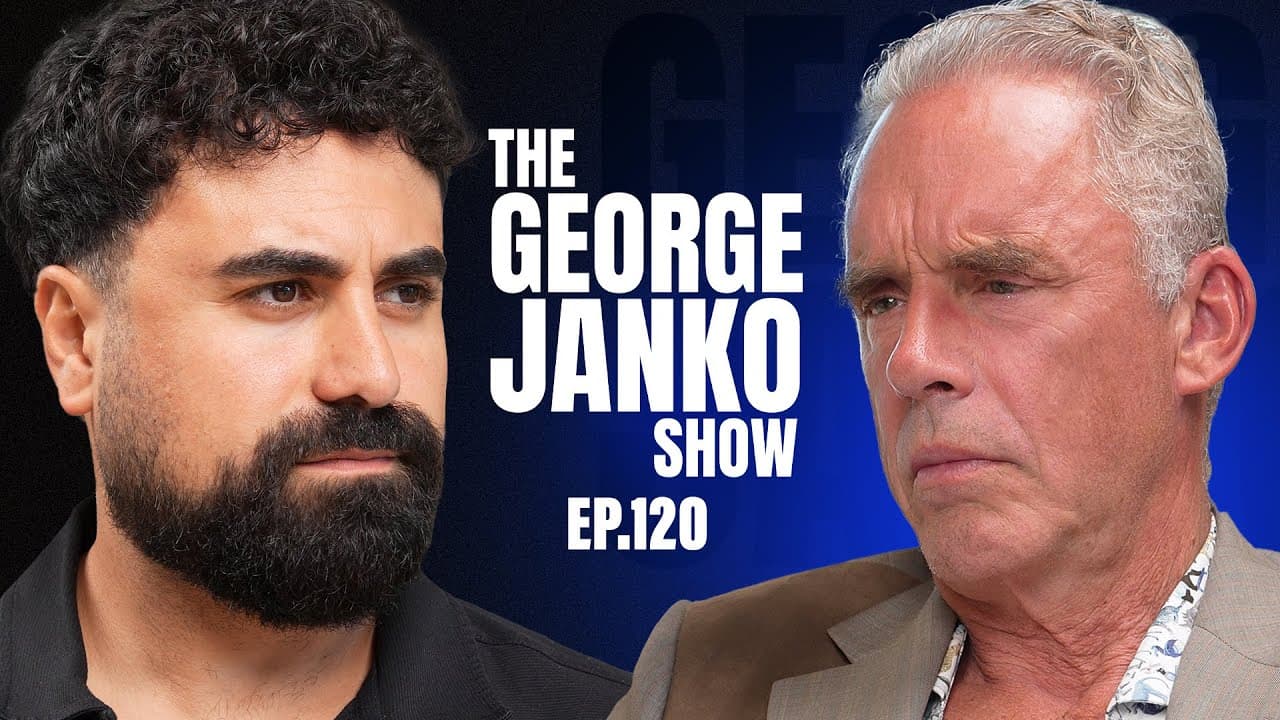
What helps Jordan Peterson handle overthinking and faith?
TL;DR
Overthinking is a recurring theme for Peterson, who describes using structure, writing, and responsibility to manage it. He explains giving up alcohol to improve work, uses Bible study as a guiding framework, and notes marijuana as a temporary bandaid before replacing it with healthier habits like exercise and discipline.
Transcript
I saw your Jubilee video. Oh, I've got a story about that I should tell you just so everybody knows. I haven't told this. God only knows if we're creating an electronic environment that will be fundamentally inhabited by autonomous electronic life forms that have virtually nothing to do with us. What are these only fan women sleeping with 500 men i... Read More
Key Insights
- Overthinking is common for highly verbal individuals, and Peterson describes it as a temperamental trait that can be managed through structure and meaningful work.
- The key to reducing destructive thoughts, according to Peterson, is sacrificing distractions and embracing responsible, high quality effort that aligns with long term goals.
- Sobriety and responsibility often go hand in hand; adopting a stable relationship and future plans can eliminate the draw toward alcohol for those seeking clarity.
- Cain and Abel is used to illustrate that excellence and striving lead to acceptance, while resentment or half measures fuel dysfunction and conflict.
- The Bible is presented as a condensed source of human behavior insights, with Cain and Abel serving as a model of sacrifice and better self-management for meaningful outcomes.
- Writing and editing discipline are essential for precise thinking; loosened cognitive clarity due to substances impairs the ability to make fine distinctions in complex material.
- The discussion frames prayer and spiritual aims as potent forces that guide practical action and personal development.
- Behavioral change is framed as a deliberate shift away from short term self oriented goals toward longer term, meaningful aims.
Install to Summarize YouTube Videos and Get Transcripts
Explore YouTube Video Summarizer or Get YouTube Transcript Extractor
Questions & Answers
Q: What does Jordan Peterson say about overthinking and its origins?
Peterson describes overthinking as a natural trait for someone who is verbally fluent and constantly thinking in words. He explains that intense thinking was especially problematic in graduate school, and that practical changes such as reducing alcohol use and embracing responsibility helped calm the mind over time. He argues that purposeful work and clear aims convert overwhelming thoughts into structured, meaningful activity.
Q: How did Peterson relate alcohol to his professional life and thinking?
Peterson recalls that alcohol intensified anxiety and impaired his ability to edit complex material. He notes that sobriety came with the realization that nights out caused three days of withdrawal, which disrupted his focus and performance. By choosing responsibility, he improved both personal health and scholarly output.
Q: What biblical concept does Peterson use to illustrate sacrifice and progress?
He uses Cain and Abel to explain that giving one’s best effort is essential for acceptance and success. Cain’s resentment and subpar offering contrast with Abel’s high quality sacrifice, highlighting the importance of eliminating distractions and committing to meaningful, disciplined effort to achieve desired outcomes.
Q: Why does Peterson study the Bible according to the video, and what does it tell us?
Peterson advocates biblical study as a compact, powerful source of human truths. He suggests the Cain and Abel narrative summarizes key human dynamics, including victimhood, responsibility, and the consequences of not striving for excellence. This study informs his broader view on discipline and moral action.
Q: How does Peterson describe balancing thinking and life responsibilities?
He argues that responsibility helps calm overthinking by directing energy into meaningful work. By prioritizing long term goals, reducing distracting behaviors, and maintaining consistent routines, one can turn mental energy into constructive output rather than rumination.
Q: What role does writing play in Peterson’s approach to thinking?
Writing serves as a deliberate, disciplined practice that requires careful editing and precise expression. Peterson notes that high verbal fluency enables deep, rapid thought, but it also demands rigorous self-editing to avoid errors. Writing became a means to channel, refine, and communicate complex ideas effectively.
Q: What changes did Peterson make to reduce his own mental strain in later years?
He shifted away from substances like alcohol and marijuana, embraced weightlifting and a cleaner lifestyle, deepened Bible study, and focused on meaningful goals and relationships. These changes helped reduce cognitive strain and improved his capacity for sustained, thoughtful communication.
Q: What does the speaker say about the relationship between faith and action?
The discussion presents faith as a driver of action, guiding prayers and aims toward concrete outcomes. By aligning spiritual beliefs with practical behavior, one can channel inner intention into disciplined deeds that contribute to personal and communal well being.
Summary & Key Takeaways
-
Peterson emphasizes the role of personal responsibility and disciplined sacrifice in reducing overthinking, linking it to long term productive work. He discusses how alcohol initially worsened thinking and how sobriety and meaningful routines improved clarity.
-
The Cain and Abel discussion illustrates a biblical lens on effort versus outcome, where doing one’s best is necessary for acceptance and growth, shaping how Peterson approaches personal and professional life.
-
The conversation ties faith, scripture study, and psychological insight together, arguing that purposeful aims and steady practices can transform inner turmoil into constructive action.
Read in Other Languages (beta)
Share This Summary 📚
Summarize YouTube Videos and Get Video Transcripts with 1-Click
Try YouTube Summary with ChatGPT & Claude or YouTube Transcript Generator
Explore More Summaries from George Janko 📚
Summarize YouTube Videos and Get Video Transcripts with 1-Click
Try YouTube Summary with ChatGPT & Claude or YouTube Transcript Generator