What Is Surrealism and How Did It Revolutionize Art?
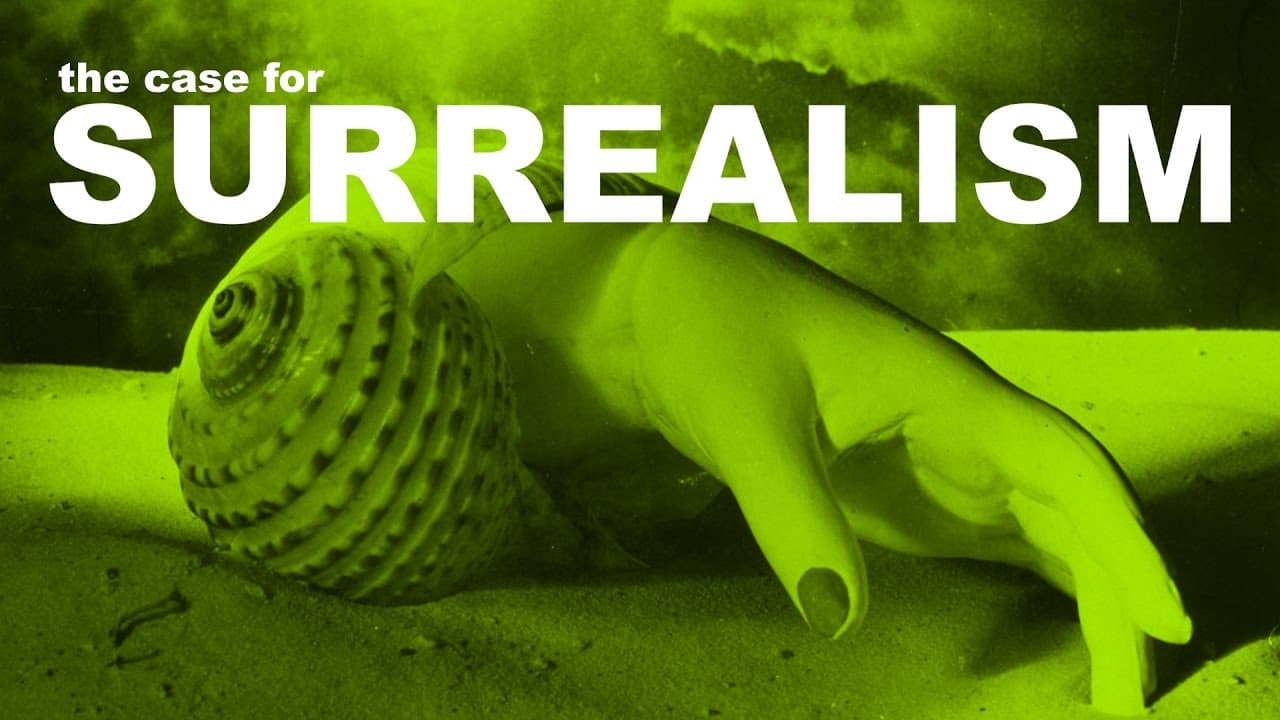
TL;DR
Surrealism emerged after World War I as a revolutionary movement aimed at liberating individuals through art and politics. It employed techniques like automatism and chance operations to explore the unconscious and challenge societal norms, leaving a lasting impact on artistic practices and cultural discourse even after its decline post-World War II.
Transcript
[MUSIC PLAYING] NARRATOR: Melting clocks, bowler hats, peculiar household objects, dream sequences, but also uncanny incidents, dorm room posters, more dream sequences, and according to Merriam-Webster, the year 2016. The word surrealism has become a catch-all for the bizarre, the irrational, the hallucinatory. But when it emerged in Europe during ... Read More
Key Insights
- 🏣 Surrealism emerged post-WWI, aiming to liberate individuals through artistic and political revolution, challenging societal norms.
- 🥰 Automatism, chance operations, and found objects were central to surrealist art, emphasizing freedom from conscious control and embracing the unexpected.
- 🇦🇬 Surrealism's anti-colonialist stance and focus on the uncanny reflect a broader social and cultural critique embedded in the movement.
- 🥰 Surrealism's influence extended into commercial endeavors post-WWII, leaving behind revolutionary techniques still used in art today.
- ❓ The movement's exploration of the connection between individual creativity and collective liberation remains relevant in contemporary discourse.
Install to Summarize YouTube Videos and Get Transcripts
Explore YouTube Video Summarizer or Get YouTube Transcript Extractor
Questions & Answers
Q: What inspired the surrealists to embrace automatism?
Andre Breton, influenced by Sigmund Freud, introduced automatism as a means to tap into the unconscious mind, liberating it from societal constraints for creative expression.
Q: How did the surrealists engage with chance operations in their artistic endeavors?
Surrealists used chance operations like frottage, brulage, and decalcomania, surrendering creative control to the process to achieve the unpredictable and access the marvelous beyond reason.
Q: What role did found objects play in surrealist art?
Found objects were integrated into surrealism, sparking unexpected juxtapositions in compositions, reflecting the movement's pursuit of the unexpected and the surreal in everyday objects.
Q: How did surrealism respond to the looming threat of national socialism?
As World War II approached, surrealists dispersed, with some going into exile and others staging exhibitions with anti-Nazi undertones, reflecting their commitment to social and political resistance.
Summary & Key Takeaways
-
Surrealism, emerging post-WWI, aimed to liberate individuals through artistic and political revolution.
-
Rooted in romanticism and Dada, surrealists embraced automatism, chance operations, and found objects.
-
The movement dissolved post-WWII but left a lasting impact on art and cultural practices.
Read in Other Languages (beta)
Share This Summary 📚
Summarize YouTube Videos and Get Video Transcripts with 1-Click
Try YouTube Summary with ChatGPT & Claude or YouTube Transcript Generator
Explore More Summaries from The Art Assignment 📚


Summarize YouTube Videos and Get Video Transcripts with 1-Click
Try YouTube Summary with ChatGPT & Claude or YouTube Transcript Generator