What Were the Most Significant Extinction Events?
TL;DR
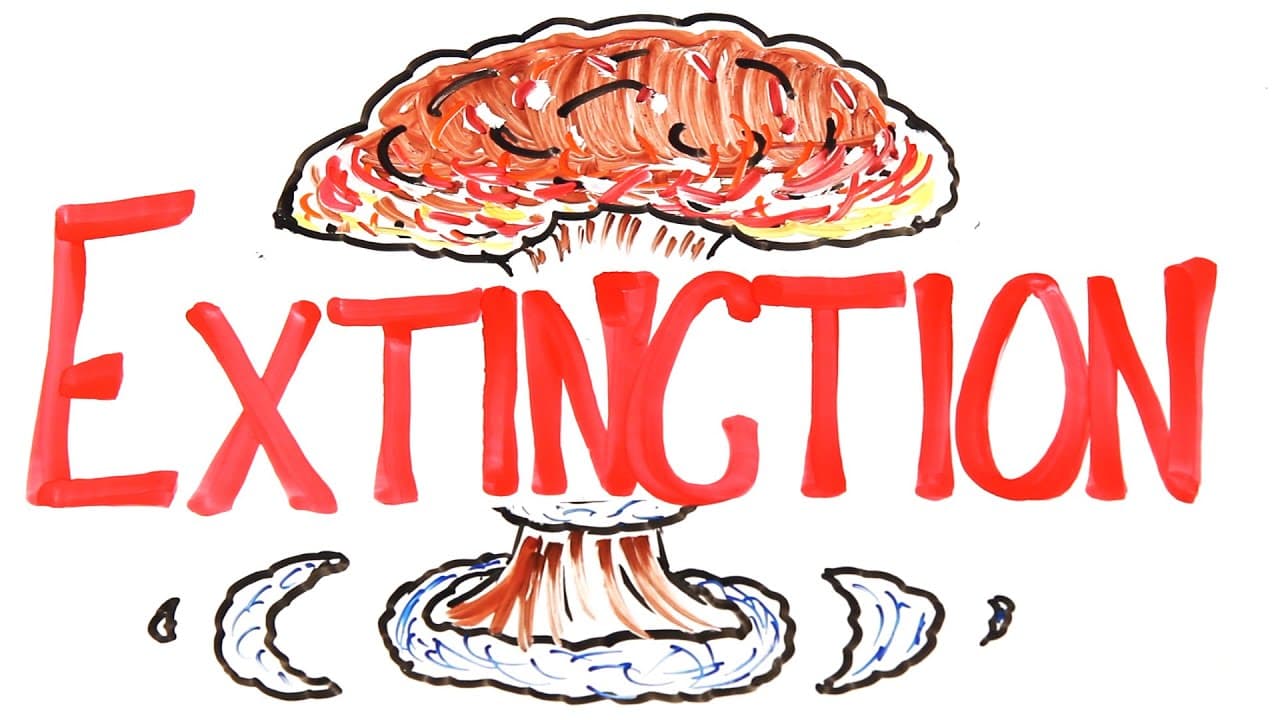
The Earth's history is marked by five major mass extinctions, each caused by climatic and environmental upheavals. The current rapid rate of species extinction, driven by human activities, raises concerns about the potential for a sixth mass extinction, with the extinction rates now 100 to 1000 times higher than natural averages.
Transcript
Over 99% of the animal species that have ever lived are now extinct. And sometimes, an event occurs causing changes so drastic that most species are completely wiped out within a short period of time. So here are the 5 most incredible mass extinctions ever to occur, and a look at whether the 6th might be happening right now. 440 million years ago w... Read More
Key Insights
- 💆 Most mass extinctions in history were caused by significant changes in the Earth's climate and environment.
- 😮 Extinctions allowed for the rise and diversification of new species, such as amphibians, reptiles, and mammals.
- 🥺 Human activities, such as climate change, hunting, habitat destruction, and pollution, are currently leading to a potential mass extinction.
- 🥺 The extinction of top predators has a cascading effect on ecosystems and can lead to the dominance of other organisms.
- ☠️ The current rate of species extinction is significantly higher than the natural background rate, posing a potential mass extinction threat in the future.
- 👾 The impact of human activities on the Earth's climate and biodiversity is happening at a much faster pace than previous mass extinctions.
- 💆 Understanding past mass extinctions can provide insights into the potential consequences of current human actions on the planet.
- 🛟 Exploring extinct species can help us appreciate the diversity of life and the importance of conservation efforts.
Install to Summarize YouTube Videos and Get Transcripts
Explore YouTube Video Summarizer or Get YouTube Transcript Extractor
Questions & Answers
Q: What caused the Ordovician extinction, and how did it impact species?
The Ordovician extinction was caused by dropping carbon dioxide levels and cooling temperatures, leading to the draining of shallow seas and the extinction of approximately 86% of species.
Q: How did plant absorption of CO2 contribute to the second mass extinction?
Plants absorbing CO2 caused global cooling, changing soil composition and washing nutrients into the ocean. This led to the growth of enormous amounts of algae, which depleted oxygen and caused more than half of ocean species to die.
Q: What were the major factors behind the Permian extinction?
The Permian extinction was primarily caused by billions of tonnes of volcanic gases, which destroyed the ozone layer and led to extreme heat. Acid rain also fell worldwide, devastating life on land.
Q: How did the extinction of dinosaurs occur, and what evolutionary path did it open up?
Many scientists believe an asteroid impact in Mexico caused the extinction of dinosaurs. The impact created a dust cloud that blocked sunlight, leading to the end of large dinosaurs. The smaller surviving dinosaurs eventually evolved into birds.
Summary & Key Takeaways
-
The Ordovician extinction, 440 million years ago, resulted in the loss of 86% of species due to dropping carbon dioxide levels and cooling temperatures, causing shallow seas to drain.
-
The next mass extinction, 374 million years ago, was caused by plants absorbing enough CO2 to cool the global climate, leading to oxygen depletion and the death of more than half of ocean species.
-
The Permian extinction, 250 million years ago, wiped out 70% of life on land and over 95% of life in the oceans due to volcanic gases, acid rain, and high ocean temperatures.
-
The fourth mass extinction occurred when volcanoes released CO2, increasing temperatures and killing about 80% of species, allowing dinosaurs to thrive for the next 135 million years.
-
The extinction of dinosaurs, caused by an asteroid impact, resulted in the rise of mammals as the dominant life form.
Read in Other Languages (beta)
Share This Summary 📚
Summarize YouTube Videos and Get Video Transcripts with 1-Click
Try YouTube Summary with ChatGPT & Claude or YouTube Transcript Generator
Explore More Summaries from AsapSCIENCE 📚



Summarize YouTube Videos and Get Video Transcripts with 1-Click
Try YouTube Summary with ChatGPT & Claude or YouTube Transcript Generator