What Skills Do People Learn for Fun and Survival?
TL;DR
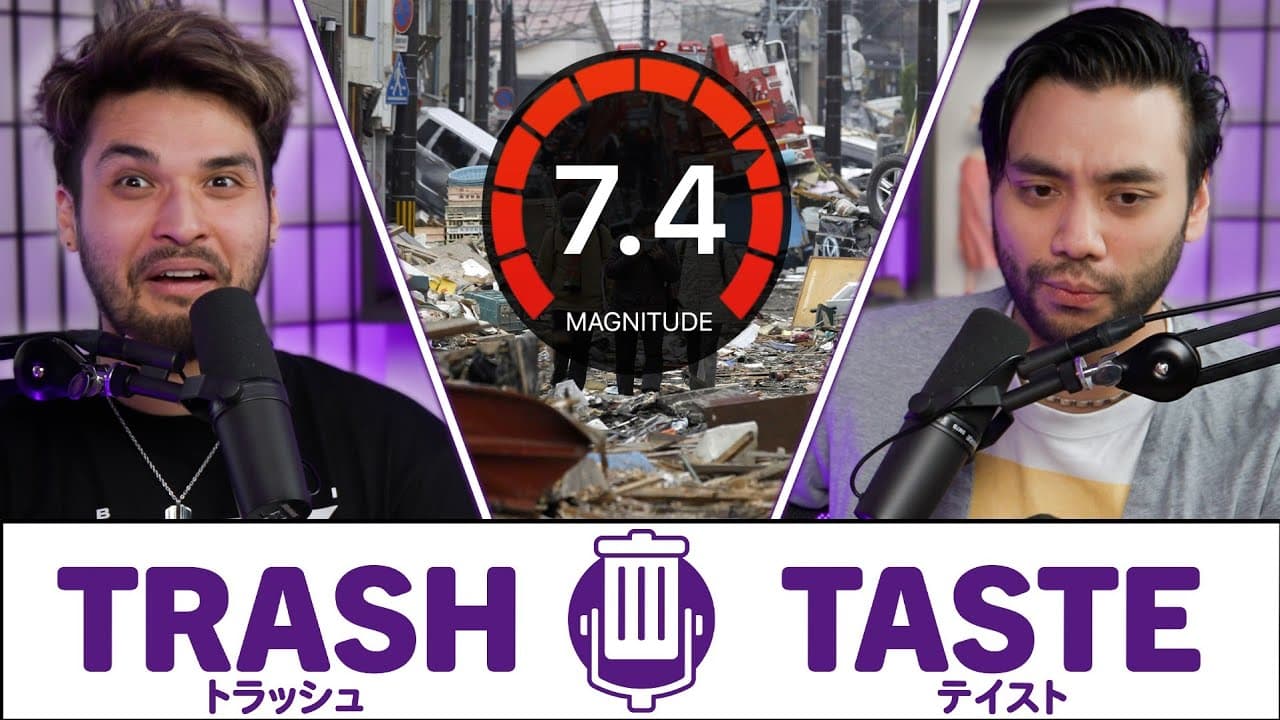
Many people learn 'useless' skills for fun, such as pen spinning and solving Rubik's Cubes, often as a creative outlet during boredom. Discussions around survival in extreme situations, like an apocalypse or an earthquake, reveal insights into human resourcefulness and decision-making under pressure.
Transcript
- I wanna get better at pen spins again. - I just do it with muscle memory now. I don't even think about it. I hold a pen and I just start doing it. - I used to be able to do that one and then the one where you flick it and then it goes back it back. - And it goes back, yeah. - Yeah. I can't do it anymore. I can only do that one. (pen clatters) Fuc... Read More
Key Insights
- ☄️ The nuance between what makes a skill "useful" versus "useless" often comes down to personal experiences and societal perceptions of value.
- ❓ The motivations behind learning certain skills often relate to adolescence and the desire to expend energy creatively or productively, intertwined with moments of boredom.
- 🧟 A zombie apocalypse serves as an exaggerated lens through which people can examine their resourcefulness and moral choices under pressure.
- 👔 Memories tied to natural disasters reveal a shared sense of vulnerability while also reinforcing individual resilience and adaptive strategies.
- 👾 The psychological impact of past events within a living space can shape comfort levels and redefine one’s sense of home.
- 👾 The desire for unique personal spaces speaks to innate human tendencies toward creativity, identification, and comfort within domestic environments.
- 🫒 Decisions about living arrangements are often mixed with cultural beliefs regarding death and the lingering energy in properties.
Install to Summarize YouTube Videos and Get Transcripts
Explore YouTube Video Summarizer or Get YouTube Transcript Extractor
Questions & Answers
Q: What inspired the discussion around useless skills?
The conversation originated from a casual reflection on the various skills learned throughout life, particularly those that seem pointless but showcased personal growth and adaptability, such as pen spinning and solving puzzles like a Rubik's Cube. This inspired a lighthearted yet nostalgic dialogue about childhood memories and their progression into adulthood.
Q: How do the speakers define a “useful skill”?
While discussing what constitutes a useful skill, the speakers contemplated versatility and practicality, often contrasting it against what they termed “useless” skills. They debated whether skills learned from hobbies and childhood activities hold any actual utility in adult life or whether they remain valuable purely for their entertainment or fidgeting potential.
Q: What are the speakers' thoughts on surviving a zombie apocalypse?
They highlighted the absurdity of traditional zombie narratives, questioning why slow-moving zombies would cause such chaos. The conversation shifted towards practical strategies, emphasizing the need for weapons like knives and fishing nets, and humorously dissected how individuals might fare based on their problem-solving approaches during such scenarios.
Q: What was the most notable anecdote shared about the impacts of natural disasters?
The speakers recounted their personal experiences during the recent earthquake in Tokyo, with one speaker noting how it disrupted power across the city. The surprising moments, which revealed both fear and resilience, provided a candid look into how individuals handle crises and the surreal acknowledgment of life without modern conveniences.
Q: What kind of setups and preparations did the speakers discuss about living arrangements?
They explored the notion of personalization within living spaces, from the importance of knowing where everything is to how trivial little scratches can speak volumes about one’s relationship with a home. The speakers also considered the psychological implications surrounding moving into properties with a dark history affecting how individuals perceive their living environment.
Q: How do the speakers handle the taboo around living in a house where someone died?
They shared differing stances based on personal values and comfort with the concept of death, with one speaker acknowledging the importance of recency and context around the death when deciding to rent or buy such a property. This raised questions about cultural stigmas, emphasizing how much weight the narratives surrounding a home can bear.
Q: What are the thoughts shared concerning DIY projects and home improvements?
The speakers discussed their interest in embarking on DIY projects when they have their own homes, recognizing the thrill and satisfaction that come from personalizing a space. They described the notion of building a shed or creating DIY furniture setups, reflecting on the childhood allure of creating personal spaces.
Summary & Key Takeaways
-
The conversation revolves around various “useless” skills learned over time, including the art of pen spinning and the experience of solving a Rubik’s Cube, showcasing a sense of nostalgia and reflected growth.
-
The speakers share their thoughts on survival tactics during a zombie apocalypse, emphasizing the importance of practical items like fishing nets, knives, and the philosophical implications of living in a house where someone has died.
-
Anecdotes about past experiences with earthquakes lead to a deeper contemplation of emergency preparedness and decision-making in extreme situations, balancing humor with serious reflections on human behavior in crises.
Read in Other Languages (beta)
Share This Summary 📚
Summarize YouTube Videos and Get Video Transcripts with 1-Click
Try YouTube Summary with ChatGPT & Claude or YouTube Transcript Generator
Explore More Summaries from Trash Taste 📚





Summarize YouTube Videos and Get Video Transcripts with 1-Click
Try YouTube Summary with ChatGPT & Claude or YouTube Transcript Generator