What Is Yukio Mishima's Temple of the Golden Pavilion About?
TL;DR
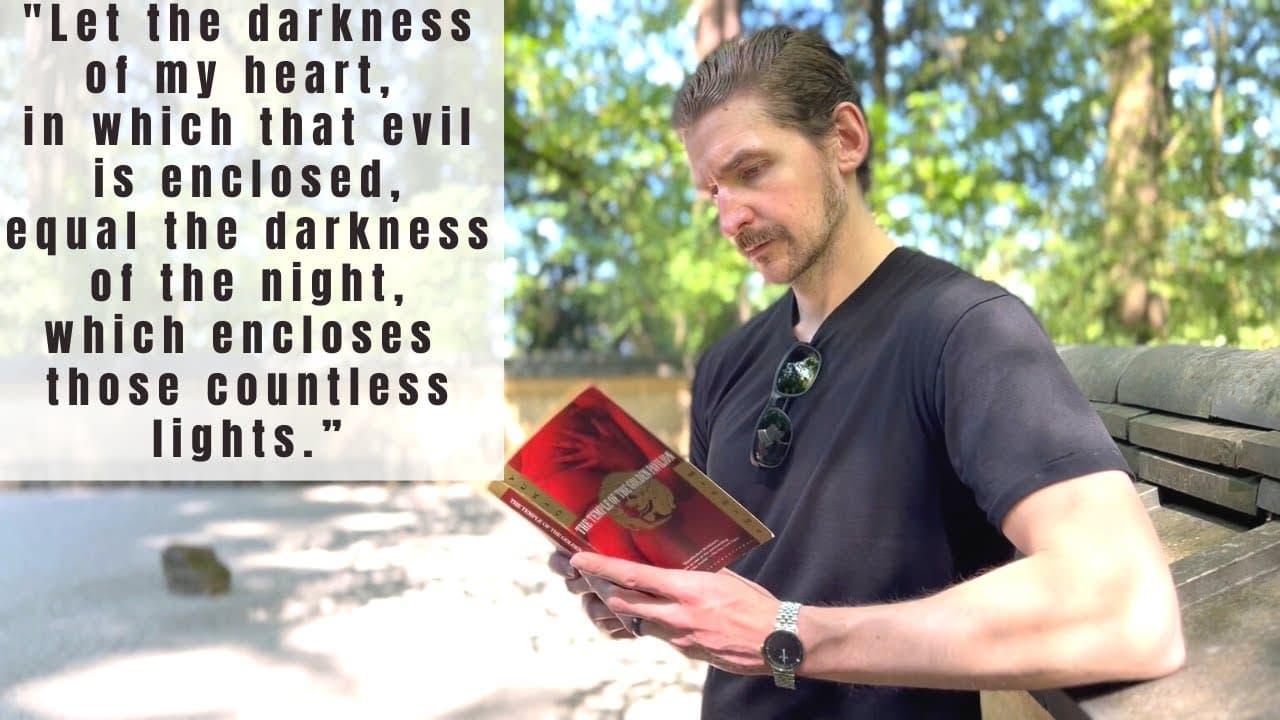
Yukio Mishima's 'Temple of the Golden Pavilion' explores the complex psyche of a Buddhist acolyte who burns down the iconic temple, driven by obsession with beauty and personal darkness. The novel emphasizes action over knowledge and critiques moral frameworks through its non-Western narrative style, providing profound insights into the human experience and post-war Japanese society.
Transcript
it's really lacking a moral agenda which is refreshing especially compared to today's modern garbage i mean literature better than food man good afternoon everyone welcome to bethlehem book reviews i'm your host clifford lee sargent great to see you as always hope you're doing well if you enjoy these videos please consider supporting me on patreon ... Read More
Key Insights
- 💅 Yukio Mishima's complex narrative explores themes of beauty, action, and morality in a non-Western perspective.
- 💅 The protagonist's descent into darkness and obsession with beauty reflect Mishima's inner struggles and philosophical explorations.
- 💭 Mishima's meticulous writing style dissects the protagonist's thought processes, offering insights into the human psyche.
- ❓ The novel challenges traditional storytelling frameworks, encouraging readers to interpret events without moral judgment.
- 🪜 Mishima's portrayal of characters and interactions adds depth to the narrative, depicting moral complexities and ethical dilemmas.
- 🤑 Themes of Japanese culture and post-war societal reflections contribute to the novel's rich tapestry of historical and emotional depth.
- 💅 The novel's focus on beauty and destruction symbolizes Mishima's fascination with contrasting elements in human nature.
Install to Summarize YouTube Videos and Get Transcripts
Explore YouTube Video Summarizer or Get YouTube Transcript Extractor
Questions & Answers
Q: What inspired Yukio Mishima to write the Temple of the Golden Pavilion?
Mishima's novel was inspired by a true story of a young Buddhist acolyte burning a famous temple in Kyoto, Japan, showcasing themes of beauty and action.
Q: How does Mishima portray the protagonist's descent into darkness in the novel?
Mishima meticulously documents Mitsuguchi's journey towards darkness, driven by his over-analytical thought processes and obsession with beauty, ultimately resulting in his destructive actions.
Q: How does the protagonist's interaction with other characters shape the narrative in the novel?
Characters like Kashiwagi and Surikawa influence Mitsuguchi's path, highlighting moral complexities and challenging conventional Western storytelling frameworks.
Q: In what ways does Temple of the Golden Pavilion challenge traditional moral agendas in literature?
Mishima's novel lacks a clear moral agenda, presenting events objectively and inviting readers to interpret the characters' actions without judgment, akin to Dostoyevsky's narrative style.
Summary & Key Takeaways
-
Yukio Mishima, a renowned Japanese author, wrote Temple of the Golden Pavilion, based on a true story of a Buddhist acolyte burning a temple.
-
The novel delves into a character's descent into darkness, driven by hyperactive thought processes and themes of beauty and action.
-
Mishima's writing reveals intricate inner workings and challenges traditional moral agendas in a non-Western narrative style.
Read in Other Languages (beta)
Share This Summary 📚
Summarize YouTube Videos and Get Video Transcripts with 1-Click
Try YouTube Summary with ChatGPT & Claude or YouTube Transcript Generator
Explore More Summaries from Better Than Food 📚





Summarize YouTube Videos and Get Video Transcripts with 1-Click
Try YouTube Summary with ChatGPT & Claude or YouTube Transcript Generator