What Happened to Japanese Women POWs in WWII?
TL;DR
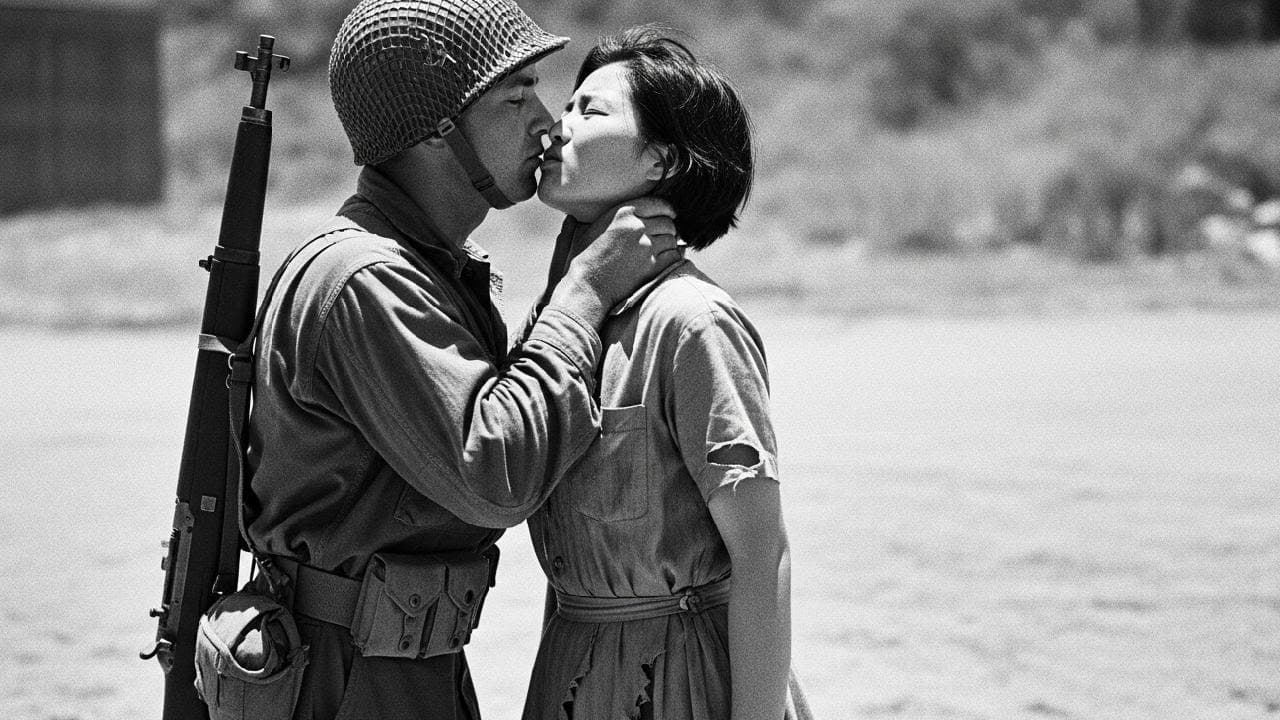
In 1945, Japanese women POWs expected punishment but instead received medical care from Allied forces. Initially seen as humiliation, the inspections were for treating infections. This unexpected clinical compassion contrasted with their previous experiences, highlighting a complex mix of mercy and survival amidst the war's harsh realities.
Transcript
The jungle steamed like a living thing. It was 1945 somewhere in the Pacific when a column of Japanese prisoners stumbled into a newly built Allied P camp. Among them, 30 women, mostly nurses and clerks, uniforms torn, faces gray with exhaustion. The air smelled of disinfectant and diesel, a mix too clean for war. They expected punishment. Instead,... Read More
Key Insights
- Japanese women POWs were initially confused by the Allies' medical inspections, expecting humiliation rather than care.
- Allied forces conducted medical inspections to treat tropical diseases like fungal infections, not as punishment.
- The inspections revealed a stark contrast between Japanese and Allied treatment of prisoners, emphasizing clinical compassion.
- Corporal Miller, an American nurse, played a key role in administering care, treating the women with dignity.
- The medical care provided by the Allies helped lower mortality rates significantly compared to Japanese-run camps.
- The experience challenged the Japanese women's perceptions of their captors, showing unexpected humanity.
- Photographs taken for Red Cross records served as evidence of the women's survival and humane treatment.
- The end of the war brought a shift from captivity to repatriation, with the women reflecting on their experiences.
Install to Summarize YouTube Videos and Get Transcripts
Explore YouTube Video Summarizer or Get YouTube Transcript Extractor
Questions & Answers
Q: How did the Allies treat Japanese women POWs during WWII?
Allied forces provided medical care to Japanese women POWs, conducting inspections to treat tropical diseases like fungal infections. This care contrasted sharply with the harsh conditions they expected, highlighting a clinical compassion that challenged their perceptions of the enemy. The inspections were part of a broader effort to maintain health and reduce mortality rates among prisoners.
Q: Why did the Japanese women POWs feel humiliated during the inspections?
Japanese women POWs initially felt humiliated during the inspections because they were ordered to expose their legs, which conflicted with their cultural norms of modesty. They expected the inspections to be a form of punishment or humiliation, but instead, they were conducted for medical reasons to treat infections, revealing an unexpected layer of compassion from their captors.
Q: What role did Corporal Miller play in the POW camp?
Corporal Miller, an American nurse, played a crucial role in the POW camp by administering medical care to the Japanese women. Her approach was marked by dignity and efficiency, treating the women as patients rather than enemies. Her actions helped lower mortality rates and challenged the women's perceptions of their captors, demonstrating unexpected humanity and clinical compassion.
Q: How did the medical inspections affect the Japanese women POWs' perceptions of their captors?
The medical inspections significantly affected the Japanese women POWs' perceptions of their captors by revealing unexpected humanity and clinical compassion. Initially seen as a form of humiliation, the inspections were for treating infections, challenging the women's preconceived notions of the enemy and highlighting a complex mix of mercy and survival amidst the war's harsh realities.
Q: What impact did the medical care have on mortality rates in the POW camp?
The medical care provided by the Allies in the POW camp had a significant impact on lowering mortality rates. The inspections and treatments for tropical diseases like fungal infections helped maintain the health of the prisoners, contrasting sharply with the higher mortality rates in Japanese-run camps. This care reflected a commitment to duty and clinical compassion.
Q: What was the significance of the photographs taken for Red Cross records?
The photographs taken for Red Cross records served as evidence of the Japanese women POWs' survival and humane treatment. These images documented their existence beyond captivity, providing proof to families and the world that they were alive and well. The photographs symbolized a shift from captivity to recognition of their humanity and survival.
Q: How did the end of the war affect the Japanese women POWs?
The end of the war brought a transition for the Japanese women POWs from captivity to repatriation. The announcement of Japan's surrender marked the beginning of their journey home, filled with complex emotions of relief, survival, and reflection on the unexpected kindness they encountered in the Allied camps. This period marked a significant shift in their understanding of mercy and defeat.
Q: What lessons did the Japanese women POWs learn from their captivity experience?
The Japanese women POWs learned profound lessons about humanity, mercy, and survival from their captivity experience. Initially expecting harsh treatment, they encountered unexpected clinical compassion from their captors, challenging their perceptions of the enemy. This experience highlighted the complexity of war, revealing that mercy and protocol could coexist and transform their understanding of defeat and dignity.
Summary & Key Takeaways
-
In 1945, Japanese women POWs were surprised by the Allies' medical inspections, initially expecting humiliation. Instead, they received care for infections, highlighting a stark contrast to their previous experiences. This unexpected clinical compassion revealed a complex mix of mercy and survival, challenging their perceptions of the enemy.
-
Corporal Miller, an American nurse, played a crucial role in treating the women with dignity, helping to lower mortality rates compared to Japanese-run camps. The experience changed the women's views of their captors, showing unexpected humanity and challenging their understanding of mercy and defeat.
-
Photographs taken for Red Cross records documented the women's survival, serving as evidence of humane treatment. As the war ended, the women transitioned from captivity to repatriation, reflecting on the complex emotions of survival, mercy, and the unexpected kindness they encountered in the Allied camps.
Read in Other Languages (beta)
Share This Summary 📚
Summarize YouTube Videos and Get Video Transcripts with 1-Click
Try YouTube Summary with ChatGPT & Claude or YouTube Transcript Generator
Explore More Summaries from World Recap 📚
Summarize YouTube Videos and Get Video Transcripts with 1-Click
Try YouTube Summary with ChatGPT & Claude or YouTube Transcript Generator