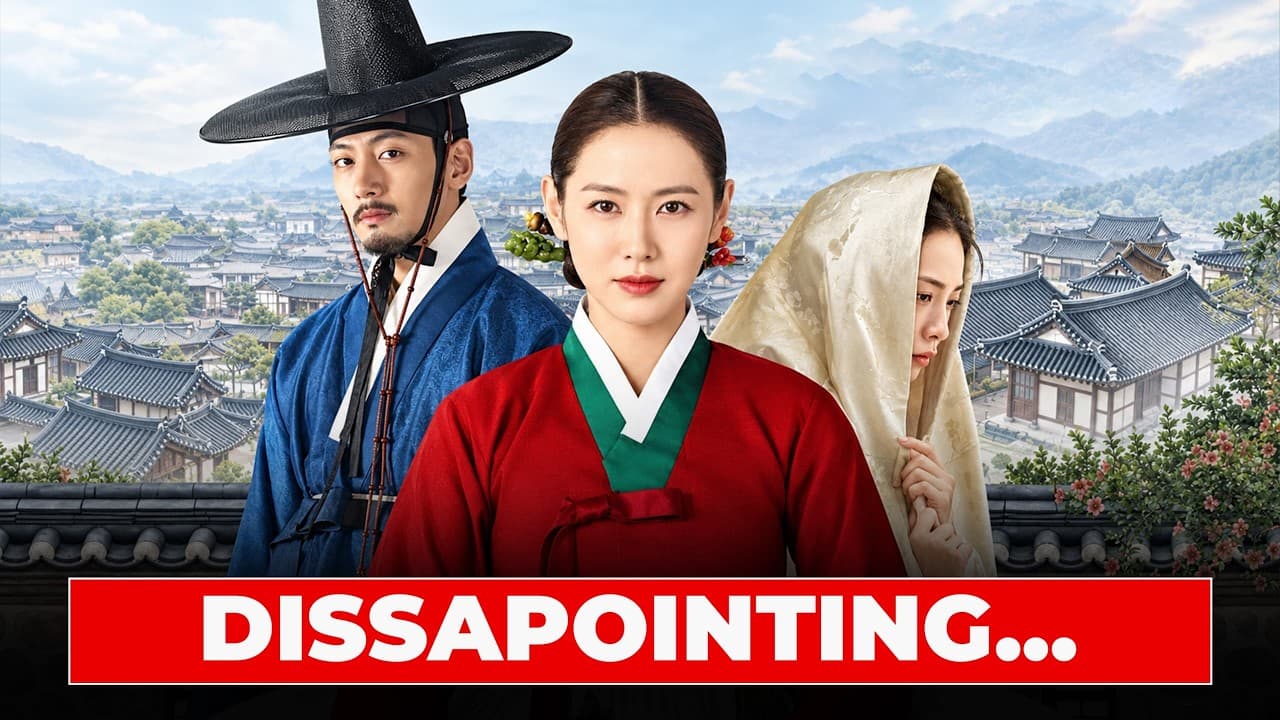
What Went Wrong with 2026 K-Dramas So Far?
TL;DR
Several high-potential K-dramas stalled due to dragging backstory, scattered subplots, and underdeveloped twists. The video breaks down missteps across titles like The Scandal, Siren's Kiss, and Sold Out on You, explaining how pacing and focusing on romance or mystery could have saved them.
Transcript
Honestly, some of the Kdramas on this list should have been hits. They had the stars. They had the budget. They had the concepts. Some even had the kind of story that could have launched a new breakout star. So, how did dramas with this much potential end up failing so badly? [music] Well, let's take a look at the most disappointing Kdramas of 2026... Read More
Key Insights
- The Scandal lost momentum due to backstory bloat around episode four, which dulled the central game of seduction and betrayal.
- Siren's Kiss started strong as a mystery thriller but gradually added subplots and romance that decreased suspense and delayed core reveal, weakening viewer investment.
- Sold Out on You had rich setup but excessive plot threads—insomnia, family issues, past secrets, and business drama—making the romance feel secondary and slowing the main arc.
- Boyfriend on Demand pitched an intriguing AI romance premise but settled for familiar emotional beats instead of exploring addiction to virtual relationships and its impact on real-world intimacy.
- Spooky and Love promised a supernatural crime story but shifted toward corporate drama, leaving the supernatural rules under explained and the eerie core underutilized.
- Mad Concrete Dreams overstuffed its crime thriller with too many crises, preventing a cohesive payoff and making key characters feel underdeveloped by the finale.
- The Practical Guide to Love’s love triangle felt contrived for realism, with pacing that emphasized inner thoughts over chemistry, reducing emotional stakes for the central couple.
- Doctor on the Edge built anticipation but collapsed in weeks due to inconsistent character momentum and a hurried, unsatisfying wrap that failed to justify the early hype.
Install to Summarize YouTube Videos and Get Transcripts
Explore YouTube Video Summarizer or Get YouTube Transcript Extractor
Questions & Answers
Q: What pattern explains why high-potential K-Dramas in 2026 disappointed audiences?
The pattern across the disappointments is overloading a single show with too many competing subplots, backstory, and twists, which dilutes the core premise and the emotional throughline. When writers chase every possible conflict without resolving the main question or giving the leads a clear arc, viewers lose investment, suspense, and satisfaction. This often leads to pacing issues that kill momentum and makes finales feel underwhelming, even with strong casts and budgets.
Q: How did backstory affect The Scandal’s appeal according to the analysis?
The Scandal started strong but slowed around episode four due to excessive backstory that interrupted the central game of seduction and betrayal. By overdeveloping the historical relationship between Lady Cho and Cho Wan, the show reduced immediacy and tension, making the wagers feel less convincing. This misalignment between setup and payoff left viewers craving sharper conflict and crisper plotting.
Q: Why did Siren's Kiss fail to maintain suspense as a mystery thriller?
Siren's Kiss began with tension and layered characters, but as it progressed, it added too many subplots, past relationships, and a romance that diluted the mystery focus. Viewers started solving the puzzle ahead of the characters, which eroded suspense. In a thriller, predictability undermines the core appeal, and the ineffective policing portrayed in the finale further diminished impact.
Q: What pacing issue did Sold Out on You encounter that frustrated viewers?
Sold Out on You suffered from slow pacing and a mounting list of complications—romance, insomnia, family issues, and business drama—that made the central romance feel delayed and undercooked. The constant addition of plot threads without a clear payoff left audiences feeling the story meander rather than progress toward a satisfying resolution, dampening emotional payoff.
Q: How did the AI romance concept in Boyfriend on Demand become a missed opportunity?
The concept of AI generated partners held promise for exploring loneliness and technology in modern dating, but the series settled for familiar rom-com beats and failed to deeply examine the psychological effects of virtual companionship. By not pushing into the deeper implications of AI intimacy and its effect on real relationships, the show missed chances for stronger thematic resonance and character growth.
Q: What went wrong with Spooky and Love’s supernatural premise?
Spooky and Love began with a strong supernatural premise but gradually prioritized hotel politics and family drama over the haunting rules and ghostly stakes. The supernatural elements weren’t consistently explained, leading to confusion about the curse and its significance. This shift made the series feel like a generic corporate drama with occasional specters rather than a cohesive paranormal mystery.
Q: Why did The Practical Guide to Love struggle with its central love triangle?
The Practical Guide to Love struggled because the central dilemma felt obvious too early, reducing dramatic tension. While the premise promised a mature approach to romance, the internal doubts and second-guessing became repetitive, and chemistry between leads split viewers. The heavy focus on Ouang’s inner monologue slowed momentum and diminished the emotional punch of key romantic moments.
Q: What lesson can future K-Dramas learn from Doctor on the Edge’s reception?
The key lesson is to balance anticipation with consistent character momentum and a convincing wrap. Early strong romantic pull must be sustained by clear, resolved storytelling, and finales should honor the set-up without rushing to conclude. When a show promises a compelling arc but fractures its pacing and character arcs by the end, it disappoints audiences who expected a cohesive, convincing conclusion.
Summary & Key Takeaways
-
This section analyzes why some 2026 K-dramas with strong casts, budgets, and premises failed to meet expectations, emphasizing how backstory overload and inconsistent tone hurt momentum. It points to misaligned resolution and unresolved mysteries that left audiences unsatisfied rather than excited for a follow up.
-
The analysis highlights missteps in pacing, character focus, and theme alignment across several titles, noting how romance, mystery, or corporate drama were not consistently balanced with the premise. It suggests tighter plotting and clearer character arcs would have preserved suspense and audience engagement.
-
The video closes by inviting viewer opinions and framing future watch recommendations to avoid similar pitfalls, stressing that potential remains strong when narratives stay true to core premises and deliver satisfying conclusions.
Read in Other Languages (beta)
Share This Summary 📚
Summarize YouTube Videos and Get Video Transcripts with 1-Click
Try YouTube Summary with ChatGPT & Claude or YouTube Transcript Generator