Why Are Global Bond Markets Crashing?
TL;DR
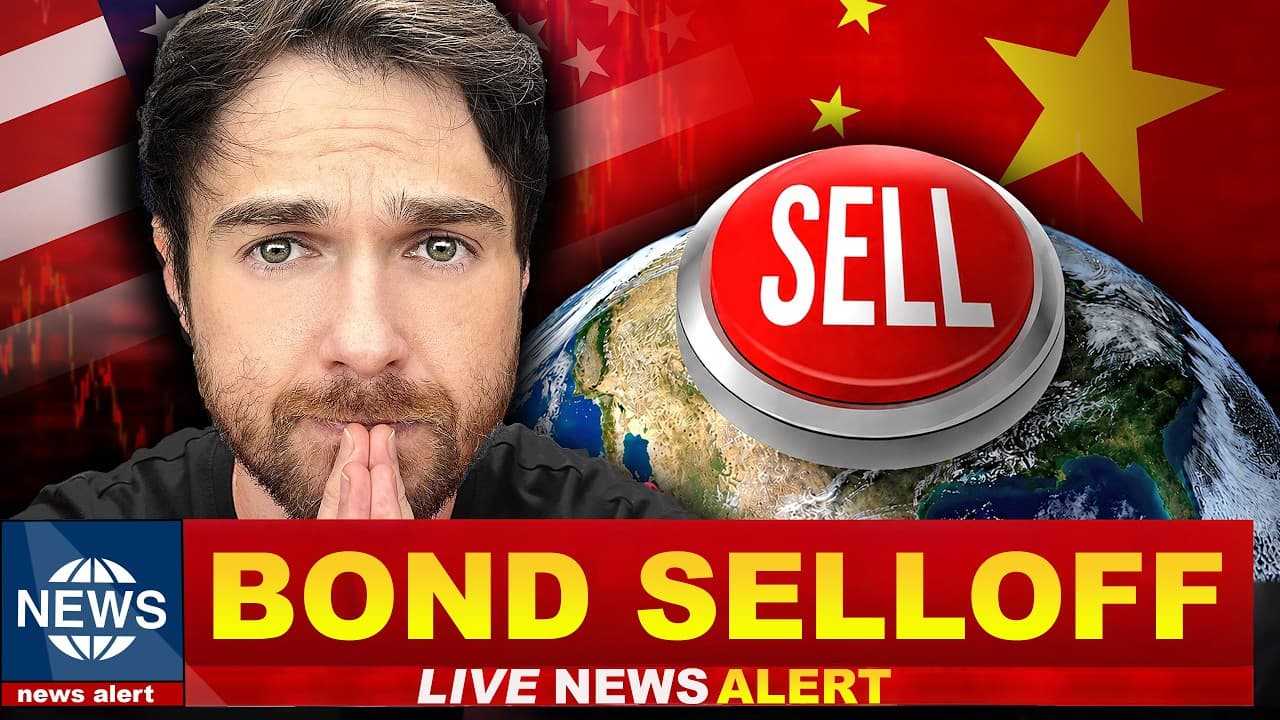
Global bond markets are under strain due to rising interest rates driven by inflation and geopolitical tensions. Countries like China and Japan are selling US debt, leading to higher yields and borrowing costs. This situation creates a dilemma for central banks, particularly the Federal Reserve, which must balance between raising rates to attract bond buyers and avoiding an economic slowdown.
Transcript
So there seems to be a global sovereign debt crisis and countries are selling their US debt and this is really bad. >> Watch the bond market. The bond market is the basis. It's the backbone of all markets. >> Markets have a bad case of the bond blues and there's no quick relief in sight. >> The bond market is front and center. We're seeing yields a... Read More
Key Insights
- Global bond markets are experiencing a crisis due to rising interest rates and geopolitical tensions.
- China and Japan, major holders of US debt, are selling their US Treasury bonds, impacting yields.
- Inflation is a significant factor driving higher interest rates, with oil and commodity prices rising.
- The Federal Reserve faces a dilemma between raising rates and risking economic slowdown.
- The US government is heavily indebted, with limited options other than printing more money.
- Higher bond yields affect borrowing costs for mortgages, loans, and government spending.
- Japan's economic struggles illustrate the challenges of managing high debt-to-GDP ratios.
- Investors are concerned about future inflation and demand higher yields on bonds.
Install to Summarize YouTube Videos and Get Transcripts
Explore YouTube Video Summarizer or Get YouTube Transcript Extractor
Questions & Answers
Q: Why are global bond markets experiencing a crisis?
Global bond markets are in crisis due to rising interest rates driven by inflation and geopolitical tensions. Countries like China and Japan are selling US Treasury bonds, leading to higher yields and borrowing costs. This situation creates challenges for central banks, which must balance between raising rates to attract bond buyers and avoiding an economic slowdown.
Q: What role does inflation play in the bond market crisis?
Inflation is a significant factor in the bond market crisis, as rising prices for commodities like oil increase the cost of borrowing. Investors demand higher yields to compensate for inflation risks, leading to higher interest rates. This situation is exacerbated by geopolitical tensions and economic uncertainties, affecting global financial stability.
Q: How are China and Japan impacting US bond yields?
China and Japan, two of the largest holders of US debt, are selling US Treasury bonds, leading to higher bond yields. This selling reduces demand for US bonds, forcing the US government to offer higher yields to attract new buyers. This trend contributes to rising borrowing costs and impacts global financial markets.
Q: What challenges does the Federal Reserve face in this situation?
The Federal Reserve faces a dilemma between raising interest rates to attract bond buyers and avoiding an economic slowdown. Raising rates could increase borrowing costs and slow the economy, while lowering rates could undermine the bond market further. The Fed must navigate these challenges amid rising inflation and geopolitical tensions.
Q: How does the US government's debt affect the bond market?
The US government's high debt levels, currently at $39 trillion, limit its options for managing borrowing costs. The government relies on printing money to cover expenses, which raises concerns about future inflation. This situation leads investors to demand higher yields on bonds, impacting borrowing costs across the economy.
Q: What are the implications of Japan's economic challenges for the bond market?
Japan's economic challenges, including high debt-to-GDP ratios and the need to defend its currency, illustrate the difficulties of managing sovereign debt. Japan's actions, such as selling US Treasury bonds to stabilize the yen, contribute to rising bond yields globally. This situation highlights the interconnectedness of global financial markets.
Q: Why are investors demanding higher yields on bonds?
Investors demand higher yields on bonds due to concerns about inflation and economic stability. Rising prices for commodities and geopolitical tensions increase inflation risks, leading investors to seek higher returns to compensate for potential losses in purchasing power. This trend contributes to rising interest rates and borrowing costs.
Q: What could happen if the Federal Reserve lowers interest rates?
If the Federal Reserve lowers interest rates, it could send a message that it prioritizes economic growth over inflation control. This action might lead to a bond market revolt, with investors selling bonds and driving yields higher. Paradoxically, lowering rates could increase borrowing costs, as the market reacts to perceived inflation risks.
Summary & Key Takeaways
-
Global bond markets are under pressure as countries like China and Japan sell US debt, leading to rising yields and borrowing costs. Inflation, driven by geopolitical tensions and rising commodity prices, is a key factor in this trend. Central banks, including the Federal Reserve, face challenges in balancing interest rate policies to attract bond buyers while avoiding economic slowdowns.
-
The US government's high debt levels and reliance on printing money to cover expenses contribute to investor concerns about future inflation. This situation impacts borrowing costs across the economy, affecting everything from mortgages to government spending. Japan's economic challenges highlight the difficulties of managing high debt-to-GDP ratios, with potential implications for other countries.
-
Investors are increasingly wary of lending to governments, demanding higher yields amid concerns about inflation and economic stability. The Federal Reserve's options are limited, as raising rates could slow the economy, while lowering rates could further undermine the bond market. This complex situation underscores the interconnectedness of global financial markets and the challenges facing policymakers.
Read in Other Languages (beta)
Share This Summary 📚
Summarize YouTube Videos and Get Video Transcripts with 1-Click
Try YouTube Summary with ChatGPT & Claude or YouTube Transcript Generator
Explore More Summaries from Andrei Jikh 📚


Summarize YouTube Videos and Get Video Transcripts with 1-Click
Try YouTube Summary with ChatGPT & Claude or YouTube Transcript Generator