How to Manage Your Ego for a Better Life
TL;DR
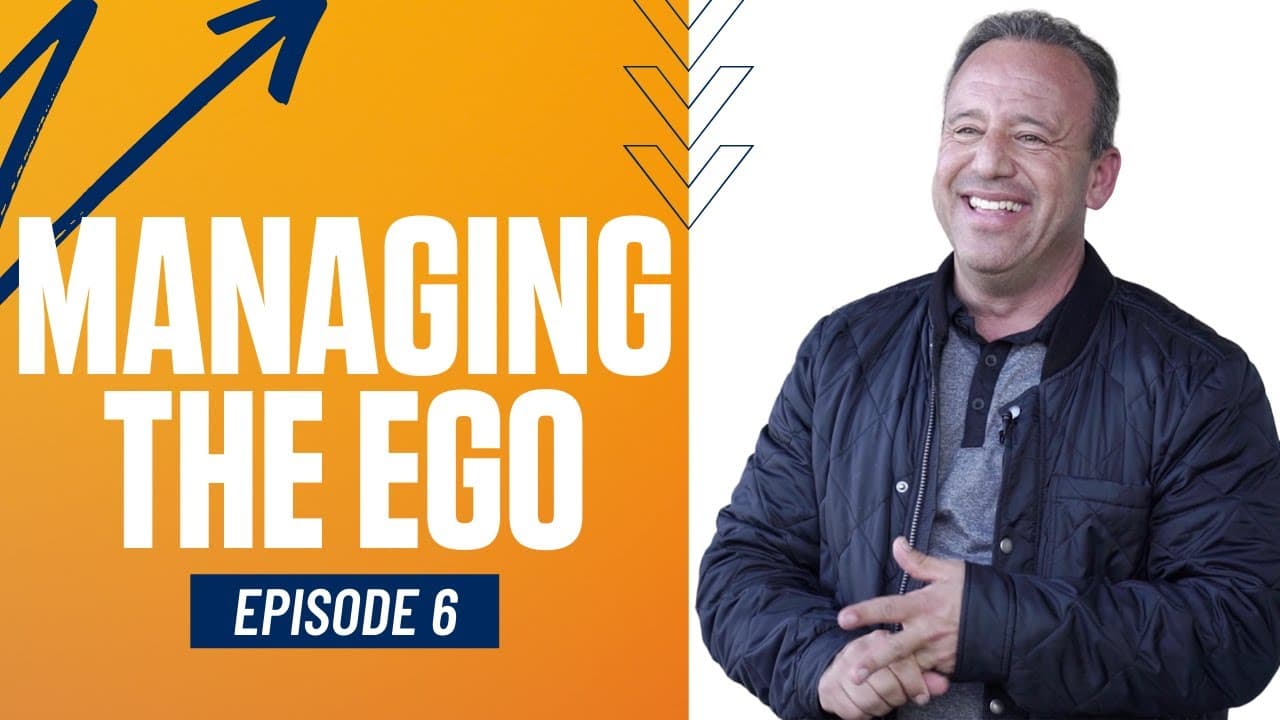
To manage your ego effectively and edge goodness into your life, start by identifying ego-based consciousness, which creates separateness and resistance. Utilize techniques like 'cancel, clear, connect' to manage negative thoughts, and practice gratitude and accountability to shift your energy positively. Regular practice is essential for ongoing improvement and alignment with your true potential.
Transcript
oh no streaming all right we're live both on Instagram and every platform welcome to ego training everyone let's see how it's going welcome welcome welcome we're gonna wait a couple minutes get everybody in ego training is probably the best practice that I've done over the last 13 years understanding the ego identifying the ego executing on the ego... Read More
Key Insights
- Ego is essential for protection but can edge goodness out of life if not managed properly.
- Understanding ego involves recognizing its need for separateness and how it creates resistance and obstacles.
- Practices like 'cancel, clear, connect' help manage negative thoughts and align actions with objectives.
- Consistent behavior and practice are crucial to maintaining stable data and achieving potential.
- Fear acts as an accelerant in the wrong direction, making ego-based actions counterproductive.
- Ego can overpower in moments of extreme stress, providing short-term motivation but long-term consequences.
- Techniques like meditation and visualization can help align energy and clear negative subconscious beliefs.
- Accountability involves understanding one's role in attracting situations and learning from them.
- More videos with David Meltzer:
Install to Summarize YouTube Videos and Get Transcripts
Explore YouTube Video Summarizer or Get YouTube Transcript Extractor
Questions & Answers
Q: How is the ego related to being insecure and self-conscious?
The ego is directly related to feelings of insecurity and self-consciousness as it projects a sense of separation from others. This projection can manifest as a need to be superior or inferior, leading to wasteful behaviors and negative emotions. Understanding and managing these ego-driven needs can help reduce their impact.
Q: What is the 'cancel, clear, connect' practice?
'Cancel, clear, connect' is a practice to manage negative thoughts and align actions with objectives. When a negative thought arises, one should cancel it immediately. If it persists, it may be stored in the subconscious and needs to be cleared through meditation or visualization. Finally, connecting involves aligning with positive energy and intentions.
Q: How does fear affect ego-based actions?
Fear acts as an accelerant in ego-based actions, pushing individuals in the wrong direction. It can create a sense of urgency and motivate short-term actions, but it also leads to resistance, voids, and obstacles. Managing fear and aligning with positive intentions can help redirect energy towards more productive outcomes.
Q: How can one practice accountability in life and business?
Accountability involves asking what role you played in attracting a situation and what lessons you can learn from it. It's about taking control of your actions and understanding your influence on circumstances. This approach contrasts with blame or justification, allowing for personal growth and improved decision-making.
Q: What techniques can help manage subconscious negative beliefs?
Techniques like meditation, visualization, and breathing exercises can help manage subconscious negative beliefs. These practices aim to clear negative energy and align with positive intentions. Consistent practice is key to gradually shifting these beliefs and improving overall well-being.
Q: What role does gratitude play in managing the ego?
Gratitude helps shift energy and perspective, making it easier to manage the ego. By focusing on gratitude, individuals can find peace and accountability, allowing them to connect with positive energy. This approach helps reduce resistance and enhances personal and professional relationships.
Q: How can one identify when they are in ego-based consciousness?
Ego-based consciousness is identified by feelings of separation, such as the need to be right, offended, or superior. The key is to recognize these feelings through self-awareness and emotional regulation. Practicing mindfulness and taking inventory of values can help maintain alignment with positive intentions.
Q: What impact does the ego have on business negotiations?
In business negotiations, the ego can create resistance and hinder effective communication. Understanding and managing the ego allows for more productive interactions, focusing on credibility, emotional attachment, and quantifiable value. Aligning with positive intentions and understanding the other party's needs can lead to successful outcomes.
Summary & Key Takeaways
-
David Meltzer discusses the importance of understanding and managing the ego to edge goodness into life. The ego's primary function is protection, but it can also create separateness and resistance. By identifying and defining ego-based consciousness, individuals can better manage their actions and emotions.
-
Meltzer emphasizes the need for consistent practice and techniques like 'cancel, clear, connect' to manage negative thoughts and align one's actions with their objectives. He highlights the role of fear as an accelerant in the wrong direction and the importance of maintaining a stable baseline.
-
The discussion covers the impact of ego on business and personal life, suggesting that accountability and gratitude can help shift energy and improve connections. Meltzer shares personal experiences and techniques for overcoming subconscious and unconscious negative beliefs.
Read in Other Languages (beta)
Share This Summary 📚
Summarize YouTube Videos and Get Video Transcripts with 1-Click
Try YouTube Summary with ChatGPT & Claude or YouTube Transcript Generator
Explore More Summaries from David Meltzer 📚

Summarize YouTube Videos and Get Video Transcripts with 1-Click
Try YouTube Summary with ChatGPT & Claude or YouTube Transcript Generator