How Can Taiwan Improve Paid Parental Leave?
TL;DR
Taiwan is considering longer maternity and paternity leave, but the government must first determine whether employers, public budgets, or social insurance should pay for the extensions. A new day-based parental leave system has sharply increased participation by fathers, while proposed reforms would extend leave when both parents participate and subsidize reduced or flexible working hours for parents of young children.
Transcript
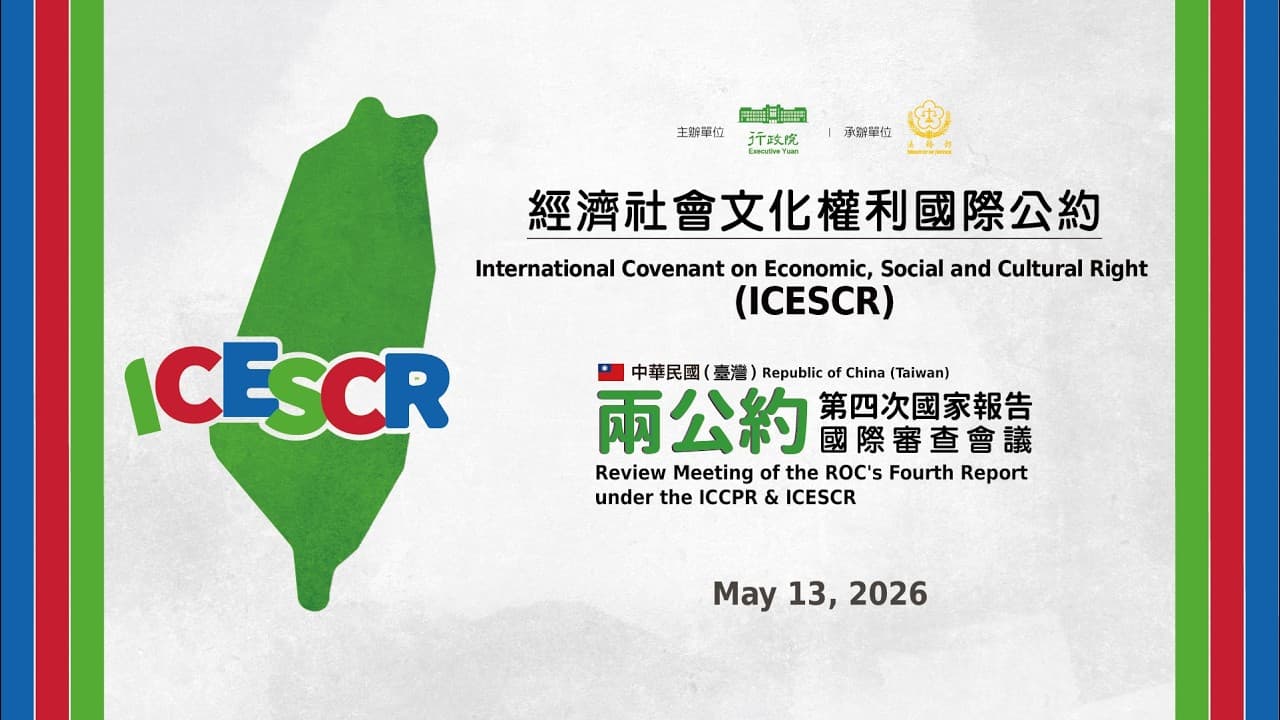
Heat. Hey, Heat. Heat. Heat. N. Heat. Heat. Heat. Heat. Heat. Heat. Heat. Heat. Heat. Heat. Heat. Heat. Yeah, heat. Heat. Heat. Heat. Heat. Heat. Heat. Heat. Heat. Heat. Heat. Beyond. Heat. Heat. Heat. Heat. Heat. Heat. Heat. Heat. Heat. Heat. Heat. Heat. Hey, hey, hey. Heat. Heat. Heat. Heat. This is the international review meetings of the fourth... Read More
Key Insights
- Taiwan’s eight weeks of maternity leave falls short of the 14-week ILO standard cited by the reviewer. Government representatives acknowledged the gap but emphasized that Taiwan separately provides pregnancy checkup leave, pregnancy-related medical leave, parental leave without pay, and paid parental leave.
- Paid paternity leave in Taiwan lasts seven days, according to the discussion. The reviewer argued that this period provides too little time for fathers to learn infant care, support a recovering spouse, prepare food, and assume meaningful responsibility within the family.
- The new day-based parental leave system responds to demands for greater flexibility. Applications under this arrangement accounted for almost 40 percent of all parental leave applications, indicating substantial interest in taking leave in smaller units rather than relying only on longer continuous periods.
- Fathers’ participation increased markedly under the flexible system. Men submitted 49.6 percent of applications in March and 49.1 percent in April, while the number of male applicants in April reached 1,916, described as almost 50 percent growth compared with March.
- Men represented 27.8 percent of parental leave applicants in 2025. The much higher male share reported after the new system began suggests that allowing leave by day may reduce practical barriers that previously discouraged fathers from applying.
- A proposed legal amendment would extend parental leave when both parents have each taken six months. The Ministry of Labor presented this approach as a way to recognize shared responsibility and encourage fathers to fulfill caregiving duties alongside mothers.
- Article 19 of the Gender Equality in Employment Act allows parents with children under three to request a one-hour reduction in daily working time or flexible hours. The reduced hour is currently unpaid, prompting discussion about government subsidies and employer incentives.
- Financing is the central obstacle to extending paid maternity and paternity leave. Paid paternity leave is currently financed by employers, so officials said any expansion requires agreement on whether employers, government budgets, or social insurance should bear the additional cost.
Install to Summarize YouTube Videos and Get Transcripts
Explore YouTube Video Summarizer or Get YouTube Transcript Extractor
Questions & Answers
Q: How long are paid maternity and paternity leave in Taiwan?
The review identified Taiwan’s maternity leave as eight weeks and its paid paternity leave as seven days. The reviewer contrasted maternity leave with the cited ILO standard of 14 weeks and argued that both periods should be extended. Government representatives confirmed that extensions have been discussed, but said the financing mechanism must be resolved before changes can proceed.
Q: Why did the reviewer call for longer paternity leave?
The reviewer argued that seven days does not give a new father enough time to support the family and learn essential caregiving tasks. The discussion mentioned bathing the baby, preparing food for the mother, caring for the household, and supporting a spouse after delivery. Longer paid leave was presented as a practical way to increase men’s participation in family care.
Q: How does Taiwan’s day-based parental leave system work?
The new system permits parental leave to be taken by individual days, providing more flexibility than arrangements based only on longer continuous periods. It was introduced in response to social demand amid concerns about the low birth rate. Government representatives reported that day-based requests accounted for almost 40 percent of all parental leave applications after implementation.
Q: Has flexible parental leave increased participation by fathers?
Government figures indicate a substantial increase in applications from fathers after day-based leave was introduced. Men accounted for 49.6 percent of applications in March and 49.1 percent in April. The April number of male applicants was 1,916, which officials described as almost 50 percent growth compared with March and close to equal participation by gender.
Q: What parental leave reform was the president expected to announce?
Officials said the planned policy concerned extending parental leave when both parents had each taken six months of leave. The announcement was also expected to address Article 19 of the Gender Equality in Employment Act, including support for parents who reduce working hours or use flexible schedules while caring for children under three years of age.
Q: What does Article 19 provide for parents of young children?
Article 19 allows parents with children under three years old to ask employers for a one-hour reduction in their working day or for flexible working hours. Under the arrangement described during the meeting, the reduced hour is unpaid. The government was considering subsidies or incentives to make these options more workable for employees and employers.
Q: Who currently pays for paid paternity leave in Taiwan?
Employers currently pay for paid paternity leave, according to the Ministry of Labor representative. Officials said that extending the leave therefore raises the question of who should finance the additional period. The discussion identified employer payments, government budgets, and social insurance as possible funding approaches that require further consideration before an extension is adopted.
Q: Why did officials say Taiwan has several separate family leave categories?
Officials explained that Taiwan provides pregnancy checkup leave, pregnancy-related medical leave, parental leave without pay, paid parental leave, maternity leave, and paternity leave as separate categories. They said the international maternity leave concept includes prenatal rest, postpartum care, and childcare, while Taiwan addresses these needs through itemized forms of leave rather than one consolidated entitlement.
Summary & Key Takeaways
-
Session IV opened the review of ICESCR Articles 10–12 and concluding observations and recommendations in paragraphs 49–61. Reviewers connected family protection with persistent gender-role stereotypes, arguing that stronger maternity, paternity, and parental leave policies could encourage fathers to assume more caregiving responsibilities and improve support for families.
-
The reviewers repeatedly questioned whether Taiwan would extend its eight weeks of maternity leave and seven days of paid paternity leave. Government representatives said extensions had been considered, but financing remains unresolved because paid paternity leave is currently funded by employers and alternatives include government budgets or social insurance.
-
Taiwan introduced parental leave taken by individual days in response to public demand. Government figures showed that these applications represented almost 40 percent of all applications. Men accounted for 49.6 percent in March and 49.1 percent in April, suggesting that flexible arrangements can substantially increase fathers’ participation in caregiving.
Read in Other Languages (beta)
Share This Summary 📚
Summarize YouTube Videos and Get Video Transcripts with 1-Click
Try YouTube Summary with ChatGPT & Claude or YouTube Transcript Generator