How Will AI Change Jobs in the Next 36 Months?
TL;DR
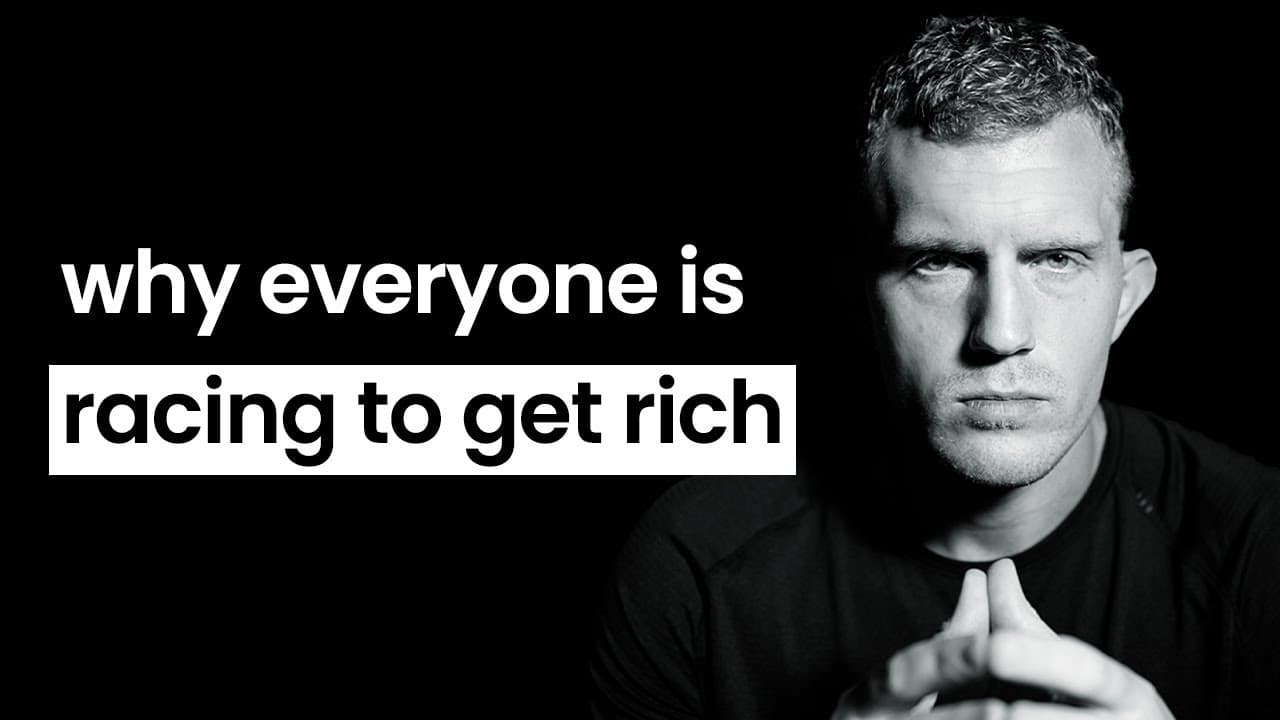
AI is set to drastically change the job landscape within the next 36 months, urging individuals to transition from traditional roles to more self-directed positions. Embracing AI as a utility will allow humans to focus on meaningful, creative work, as the distinction between doers and directors becomes increasingly crucial. To prepare, individuals should develop a blend of creativity and technical skills while learning to effectively orchestrate AI.
Transcript
So I've been seeing this statement circulating online, and it pretty much says you have about 36 months to make it. And it makes sense because I will continue to replace jobs no matter how much people fight against it. Money as we know it will change or even cease to exist because millions of ISIS or artificial super intelligences will rapidly exec... Read More
Key Insights
- AI is rapidly changing the job landscape, urging individuals to adapt within the next 36 months to remain relevant.
- The distinction between doers and directors will become crucial as AI takes over repetitive tasks, emphasizing the need for high agency.
- The internet, social media, and AI have shifted power from traditional institutions to individuals, enabling self-directed learning and creation.
- AI will handle utility tasks, allowing humans to focus on meaningful, creative, and narrative-driven work.
- The future demands a blend of philosophical and practical skills, merging creativity with technical expertise for success.
- Taste and curation will become the new intelligence, separating meaningful content from mediocre AI-generated outputs.
- AI should be seen as a tool for enhancing creativity, not as a replacement for human ingenuity and emotional expression.
- Adopting AI involves knowing when to leverage it and when to rely on human skills, especially in personal areas of interest.
Install to Summarize YouTube Videos and Get Transcripts
Explore YouTube Video Summarizer or Get YouTube Transcript Extractor
Questions & Answers
Q: What is the main message of the video?
The main message of the video is that AI is rapidly transforming the job market and creative industries, and individuals have approximately 36 months to adapt to these changes. The speaker emphasizes the importance of leveraging AI as a tool to enhance creativity and focus on meaningful work, rather than seeing it as a threat.
Q: How does the speaker differentiate between doers and directors?
The speaker differentiates between doers and directors by highlighting that doers are those who perform tasks assigned to them, while directors are individuals who take initiative, assign tasks, and leverage AI tools to enhance their productivity. Directors exhibit high agency and self-direction, crucial traits in the evolving job landscape.
Q: What are the three superpowers mentioned in the video?
The video mentions three superpowers: learning, persuasion, and execution. Learning involves adapting and taking necessary actions to achieve specific results. Persuasion entails building trust and attracting people to a mutually beneficial vision. Execution is about turning ideas into reality through automation, creation, and delegation.
Q: Why does the speaker emphasize the importance of taste in the future?
The speaker emphasizes the importance of taste as it becomes the new intelligence in an era where AI can generate content easily. Taste involves curating and distinguishing valuable, meaningful content from mediocre outputs. It reflects one's ability to filter and prioritize ideas that align with their vision and values, ensuring quality over quantity.
Q: What role does AI play in the distinction between utility and meaning?
AI plays a role in handling utility tasks, which are repetitive and necessary but lack meaning. This allows humans to focus on creating meaningful, narrative-driven work that involves creativity and emotional expression. The speaker suggests that AI will free humans from mundane tasks, enabling them to pursue more fulfilling and impactful endeavors.
Q: How should individuals prepare for the AI-driven future?
Individuals should prepare for the AI-driven future by becoming philosopher-builders, merging creativity with technical skills. They should develop a personal philosophy and filter ideas to focus on meaningful projects. Additionally, they should learn to orchestrate AI effectively, using it as a tool to enhance their work rather than relying on it entirely.
Q: What is the speaker's view on the anti-AI sentiment?
The speaker views the anti-AI sentiment as a losing side, arguing that those who oppose AI are often driven by emotion and a lack of understanding. They emphasize the importance of embracing AI as a tool for creativity and innovation, rather than resisting its integration into work and art. The speaker advises maintaining an open and optimistic mindset.
Q: How does the speaker suggest using AI in personal work?
The speaker suggests using AI in personal work by identifying areas where it can complement one's creative process. For example, they use AI prompts to refine ideas and enhance writing quality. The key is to use AI as a thought partner and tool for experimentation, while maintaining control over the final output to ensure it aligns with one's vision and values.
Summary & Key Takeaways
-
The video discusses the transformative impact of AI on the job market, urging viewers to adapt within the next 36 months to thrive. It emphasizes the shift from traditional roles to more self-directed, high-agency positions, leveraging AI for utility tasks.
-
AI's role in the future of work is explored, highlighting the importance of distinguishing between utility and meaning. The speaker advocates for embracing AI as a tool to enhance creativity and focus on narrative-driven, meaningful work.
-
The speaker outlines steps to prepare for the AI-driven future, including becoming a philosopher-builder, filtering ideas, and orchestrating AI effectively. The emphasis is on merging creativity with technical skills to remain relevant and successful.
Read in Other Languages (beta)
Share This Summary 📚
Summarize YouTube Videos and Get Video Transcripts with 1-Click
Try YouTube Summary with ChatGPT & Claude or YouTube Transcript Generator
Explore More Summaries from Dan Koe 📚

Summarize YouTube Videos and Get Video Transcripts with 1-Click
Try YouTube Summary with ChatGPT & Claude or YouTube Transcript Generator