How Does Phone Use Affect Your Mental Health?
TL;DR
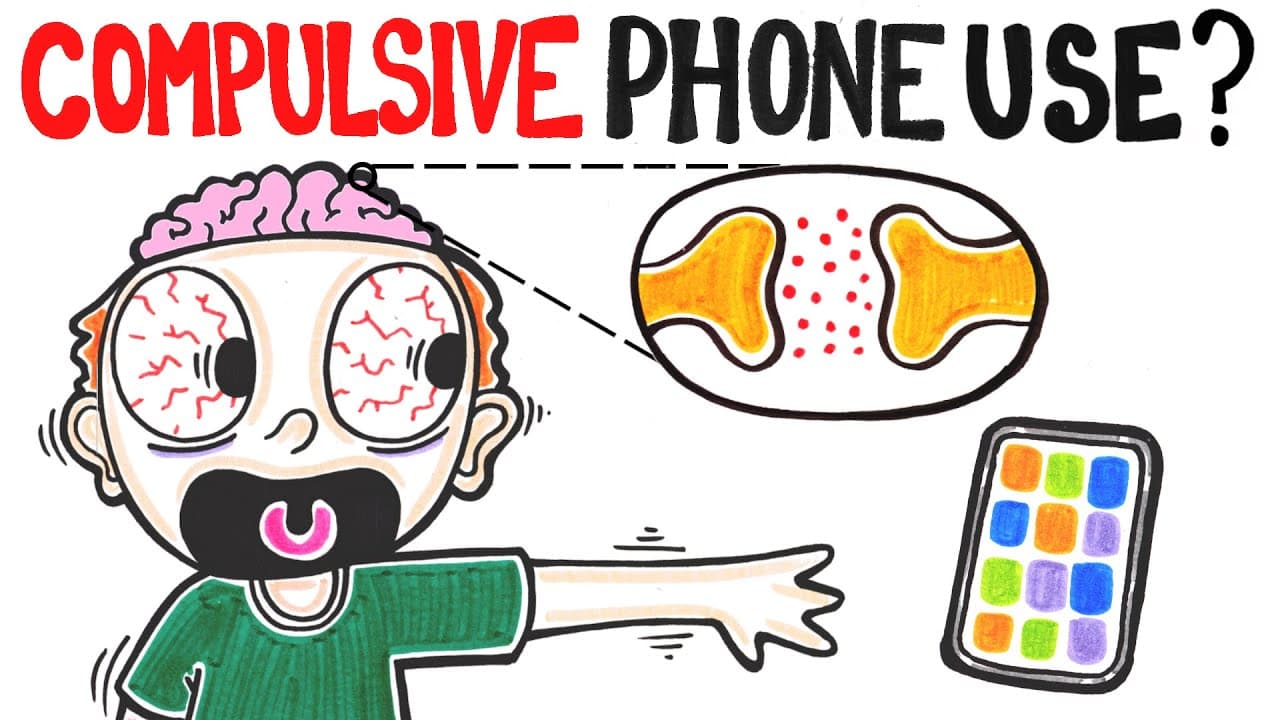
Frequent phone use can lead to a decrease in attention, increased feelings of sadness, and an inability to focus due to constant dopamine hits. These impacts may contribute to anxiety and depression, causing individuals to feel less excitement about life and more compelled to check their devices. Implementing strategies to reduce phone time can help regain control and improve well-being.
Transcript
just 15 years ago only 20 percent of people access the internet from their phone now it's up to 91 percent adults spend 11 hours per day interacting with media 71 of people never turn off their phone 31 of people admit to not being able to control their phone use and 17.3 percent of parents spend more time on their phone than with their children ou... Read More
Key Insights
- 🥺 Phone addiction is changing our brain by strengthening dopamine pathways, leading to decreased excitement in novel experiences and potential depression.
- 😒 Increased phone use is linked to decreased attention spans and an inability to engage in delayed gratification.
- 😀 Phone addiction can negatively impact mood, mental health, and willingness to engage in face-to-face communication.
- 🧑🏭 Teens who spend more time on their phones are more likely to develop risk factors for suicide.
- ✅ The short-term addictive hits of dopamine create feedback loops that make individuals compulsively check their phones.
- 📣 Phone addiction can be measured through cravings, impact on mood, tolerance, withdrawal, and relapse.
- 📣 Strategies such as restricting phone use to specific time periods, physical binding techniques, and reducing the significance of the phone can help decrease addiction.
Install to Summarize YouTube Videos and Get Transcripts
Explore YouTube Video Summarizer or Get YouTube Transcript Extractor
Questions & Answers
Q: How does dopamine affect our motivation and behavior?
Dopamine plays a major role in motivating behavior, including seeking out rewards such as food, sex, and social interactions. Smartphones provide an unlimited supply of dopamine, making these pathways in our brain stronger.
Q: How does phone addiction affect our mood and mental health?
Phone addiction can impact our mood, with people feeling happier when they receive social media likes and sad or angry when they receive fewer likes. Increased phone use is also linked to depression, anxiety, and a fear of missing out.
Q: Can phone addiction lead to decreased attention spans?
Yes, studies have found that excessive phone use can lead to decreased attention spans, making it harder for individuals to focus and engage in delayed gratification.
Q: Can phone addiction be classified as an addiction?
Addiction is broadly defined as continued and compulsive consumption of a substance or behavior despite harm. Phone addiction, characterized by cravings, salience, tolerance, withdrawal, and relapse, can be classified as an addiction.
Summary & Key Takeaways
-
Just 15 years ago, only 20% of people accessed the internet from their phones, but now it's up to 91%.
-
Adults spend 11 hours per day interacting with media, with 71% of people never turning off their phones.
-
Phone addiction is linked to decreased attention spans, increased depression and anxiety, and difficulty in controlling phone use.
Read in Other Languages (beta)
Share This Summary 📚
Summarize YouTube Videos and Get Video Transcripts with 1-Click
Try YouTube Summary with ChatGPT & Claude or YouTube Transcript Generator
Explore More Summaries from AsapSCIENCE 📚




Summarize YouTube Videos and Get Video Transcripts with 1-Click
Try YouTube Summary with ChatGPT & Claude or YouTube Transcript Generator