What Happened When I Worked Out Like David Goggins for 100 Days?
TL;DR
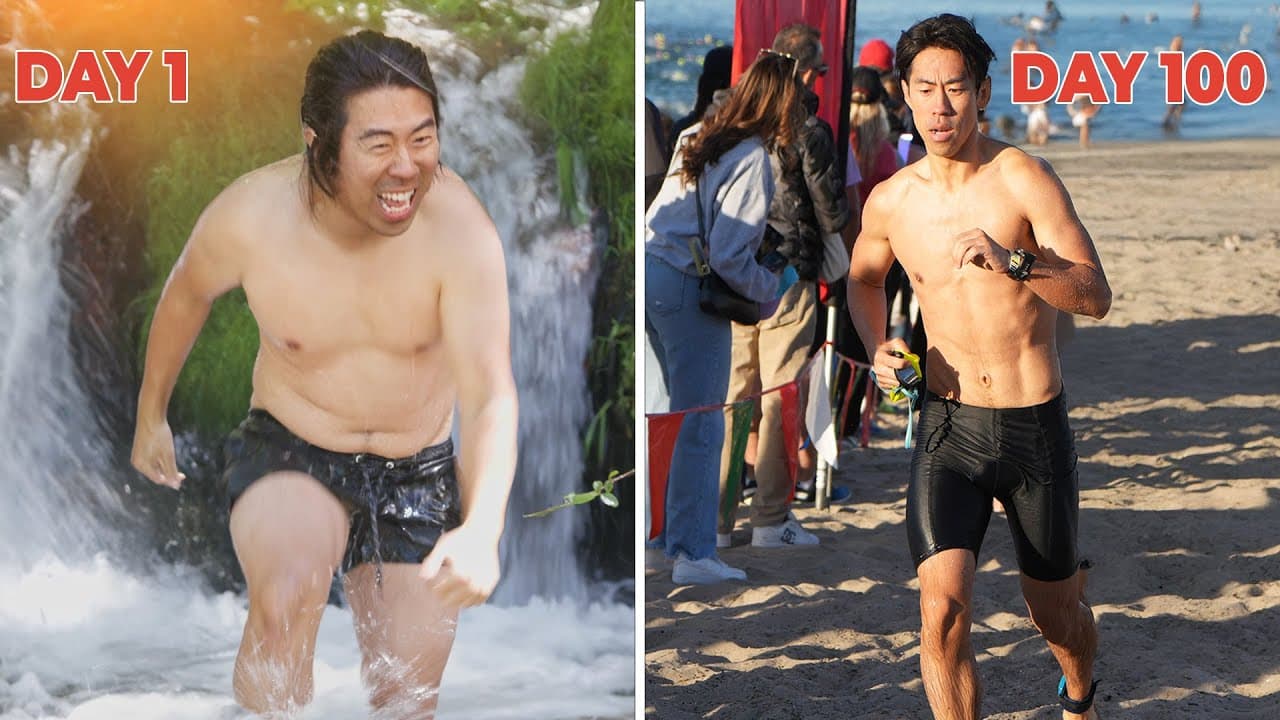
Working out like David Goggins helped the creator drop from 184.1 pounds to under 160 pounds while improving his running pace from 13–15 minutes per mile to under 8. His routine combined at least 12 miles of daily cardio, 45–90 minutes in the gym, and a strict 1,500-calorie diet, but it also caused shin splints and a swollen ankle. Read on for his routine, diet, setbacks, and measurable results.
Transcript
losing weight is easy at least that's what my doctor told me he also told me I'm obese and pre-diabetic I thought the doctor was supposed to help me not just roast me apparently I gained over 30 lbs of pure fat over the past 2 years for no apparent reason but it's time to get my life back on track so for the next 100 days I'm going to do the hardes... Read More
Key Insights
- The starting point was a health crisis: a doctor diagnosed the creator as obese and pre-diabetic after he gained over 30 pounds of fat in two years, which became the motivation for the 100-day challenge.
- David Goggins' daily workout, as followed here, is cardio no shorter than 12 miles combined with a gym session lasting 45 minutes to an hour and a half every single day.
- Day-one baseline stats were 184.1 pounds, a 38-inch waist, and 27% body fat, with a fitness level of zero pull-ups and only 11 push-ups.
- Rapid early weight loss is possible: by day 5 the creator had lost 6 pounds, more than a pound per day, driven by the extreme daily cardio volume.
- Overtraining caused injury: by day 8 shin splints and a swollen ankle forced a stop after only 7 days, showing the body cannot instantly absorb such a sudden training load.
- Swimming served as a low-impact substitute during ankle recovery, letting the creator keep the daily-workout commitment without the pounding of running.
- A strict 1,500-calorie-per-day diet was central: yogurt or omelette breakfast, roughly 500-calorie lunch, and a high-protein dinner where most calories were eaten, plus no cheat meals, junk food, or sodas.
- Weight-loss plateaus are normal, and the creator broke his by increasing calorie burn on harder routes and mountain climbs while eating less, dropping under 160 pounds by day 44.
- More videos with David Goggins:
Install to Summarize YouTube Videos and Get Transcripts
Explore YouTube Video Summarizer or Get YouTube Transcript Extractor
Questions & Answers
Q: What is David Goggins' daily workout routine?
As followed in this challenge, the routine involved at least 12 miles of cardio and a 45- to 90-minute gym session every day. The creator began with a 12-mile run, followed by another workout in the gym.
Q: How much weight did he lose while working out like David Goggins?
He started at 184.1 pounds with a 38-inch waist and 27% body fat. After one month, he weighed 163.5 pounds and had a 32.5-inch waist; by day 44, he was under 160 pounds.
Q: What diet did he follow during the 100-day challenge?
He limited himself to 1,500 calories per day and eliminated cheat meals, junk food, and sodas. Breakfast included yogurt and fruit, a smoothie, or a vegetable omelette; lunch was about 500 calories, and dinner was his main high-protein meal.
Q: Did the David Goggins workout cause any injuries?
Yes. After seven days, he developed shin splints and a swollen ankle that made walking difficult. He initially worsened the injury by trying to run again, then switched to swimming while recovering fully by day 20.
Q: How did he overcome his weight-loss plateau?
After one month, his weight began increasing despite his diet and exercise. He responded by eating fewer calories and burning more through harder running routes and mountain climbs, after which his weight began falling again and reached under 160 pounds on day 44.
Q: How much did his running performance improve?
His average pace improved from 13–15 minutes per mile to under 8 minutes per mile by around day 50. He also progressed from struggling with shorter distances to completing a 31.1-mile ultramarathon in 104-degree heat.
Q: How did he make time for the daily workouts?
His schedule included eight hours of sleep, eight hours of work, at least three hours of exercise, and four hours of filming and editing daily fitness updates. That left about one hour for meals, laundry, cleaning, and time with his girlfriend Emily.
Q: Did his health improve during the challenge?
He began after his doctor described him as obese and pre-diabetic. Later, a medical body-composition scan led his doctor to say that he was not fat in any category, while his waist had already fallen from 38 inches to 32.5 inches after one month.
Summary & Key Takeaways
-
A doctor's diagnosis of obesity and pre-diabetes after gaining over 30 pounds of fat in two years pushed the creator to attempt David Goggins' daily workout for 100 days: at least 12 miles of cardio plus 45 to 90 minutes in the gym every day.
-
Day one started at 184.1 pounds, a 38-inch waist, and 27% body fat. The first 12-mile run nearly made him vomit and left him unable to enter his house, and he could do zero pull-ups but 11 push-ups.
-
An ankle injury and shin splints stopped him after 7 days, but a Goggins video inspired a commitment to work out daily regardless, swimming while injured, joining a run club on day 20, and finishing a 31.1-mile ultramarathon in 104-degree heat.
-
After one month his waist shrank from 38 to 32.5 inches and weight fell to 163.5 pounds. A plateau caused weight regain, which he beat by running harder routes and cutting calories, reaching under 160 pounds by day 44.
-
A strict 1,500-calorie diet, structured sleep and work schedule, and daily filming filled his days. By day 50 his pace improved from 13-15 minutes per mile to under 8, and a medical scan later confirmed he was no longer fat in any category.
Read in Other Languages (beta)
Share This Summary 📚
Summarize YouTube Videos and Get Video Transcripts with 1-Click
Try YouTube Summary with ChatGPT & Claude or YouTube Transcript Generator