How Does Inner Freedom Shape Leadership?
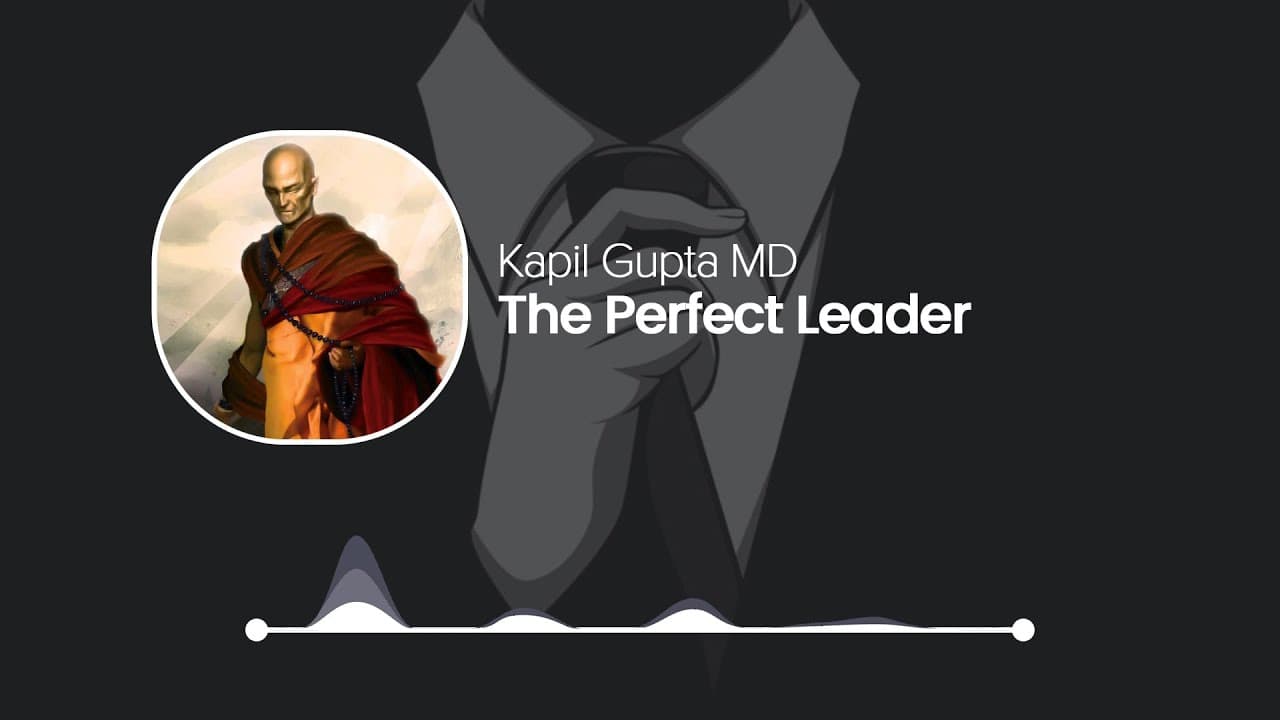
TL;DR
Effective leadership begins with inner freedom from insecurity, anxiety, and self-conflict. A leader who does not seek validation, respect, or control can act with greater purity and stability, while attempts to manipulate, appease, or force people create resistance. Leadership improves when a person clearly examines personal vulnerabilities instead of relying on cosmetic actions or prescribed techniques.
Transcript
the title of this solo podcast is the perfect leader what is the perfect leader the perfect leader is the one who is pure what does it mean to be pure it means that a person has no insecurities it means that he lives in total freedom it means that within himself there are no self-conflicts the problem with leading human beings is that if one tries ... Read More
Key Insights
- Purity is freedom from insecurity, anxiety, fear, and internal conflict. Its importance is practical rather than philosophical because unresolved inner problems accompany a leader’s words and actions, reducing their effectiveness and influencing the organization that the person leads.
- Deliberate attempts to lead often create resistance because the intention to control or influence others carries an egoic quality. A complete leader leads without trying to lead and does not obtain personal satisfaction from approval, obedience, or validation from subordinates.
- A leader’s internal weaknesses become weaknesses in the organization. The vulnerabilities and unstable links within the leader’s mind are expressed through decisions, communication, and conduct, making interior stability a predictor of leadership quality and organizational stability.
- Human beings act when they perceive something in the action for themselves. Even behavior described as service to another is presented as serving some personal motive, which is neither morally good nor bad but simply part of human nature.
- Cosmetic leadership actions are recognized as cosmetic by their recipients. Statements or gestures designed to appease employees, create comfort, or manufacture a desired feeling may provide temporary pleasure, but they do not produce the respect associated with sincere and uncalculated conduct.
- Respect tends to follow people who do not need respect. Attempts to build reputation or deliberately attract followers are portrayed as ineffective, while people may naturally follow someone who is unconcerned with being followed or with managing what others think.
- Clear observation can dissolve personal fears more effectively than an attempt to fix them. The leader must systematically investigate the mind, recognize its vulnerabilities, and see each weakness clearly because corrective struggle is said to perpetuate the original problem.
- Leadership perfection cannot be produced through a prescribed plan or isolated action. It depends on a sincere desire for inner freedom and the capacity to remain internally stable even when surrounding conditions, employees, or organizational circumstances are marked by conflict.
Install to Summarize YouTube Videos and Get Transcripts
Explore YouTube Video Summarizer or Get YouTube Transcript Extractor
Questions & Answers
Q: What qualities define a perfect leader?
A perfect leader is defined by inner purity, which means freedom from insecurity, fear, anxiety, and self-conflict. This person does not need validation from subordinates, does not depend on reputation, and has no personal need to be respected or followed. Leadership arises from internal completeness and stability rather than from deliberate efforts to control, persuade, comfort, or impress other people.
Q: Why do deliberate attempts to lead create resistance?
Deliberate leadership can create resistance because the intention to make people behave in a particular way carries a desire for control. Human beings do not reliably act because a leader pressures or persuades them. They act when they perceive something in the action for themselves. A leader who repeatedly tries to force behavior may become consumed by conflict without achieving meaningful results.
Q: How do a leader’s insecurities affect an organization?
A leader’s insecurities influence every word spoken and every action taken, even when they are not openly acknowledged. Fear, anxiety, and self-conflict become an underlying quality in communication and decisions. The weaknesses within the leader’s mind can therefore become weak links within the company or organization. Greater internal stability is presented as producing greater stability in leadership and organizational life.
Q: Why is seeking validation harmful to leadership?
Seeking validation makes leadership dependent on how subordinates respond. When personal satisfaction comes from approval, respect, comfort, or obedience, the leader’s actions become calculated rather than pure. Employees may sense that statements and gestures are designed to produce a reaction. A leader who does not need validation can act from internal completeness instead of continually managing other people’s opinions and feelings.
Q: Why do cosmetic leadership actions fail?
Cosmetic actions fail because people can sense when words or gestures are designed merely to appease them, comfort them, or produce a calculated emotional response. Such behavior may create temporary pleasure, but it does not generate lasting respect. Conduct arising from purity is different because it is not performed to gain approval, build a reputation, or manipulate the recipient into behaving in a preferred way.
Q: How should a leader deal with fear and insecurity?
A leader should investigate fear and insecurity by looking deeply and systematically into the mind. The goal is to see vulnerabilities and internal conflicts with complete clarity, not to apply a technique that promises to fix them. The podcast argues that clear seeing allows these problems to disappear, while direct attempts to repair or suppress them can preserve and perpetuate the struggle.
Q: Why can organizational conflict consume a leader’s career?
Organizations contain employee disputes and many other recurring problems because conflict and avoidance of truth are described as parts of human nature. A leader who enters every dispute may spend an entire career putting out fires. This reactive activity can become the leader’s identity and sole focus, leaving the person to realize that life was spent trying to force or convince others to behave differently.
Q: Can perfect leadership be achieved through a step-by-step plan?
Perfect leadership is not presented as the result of a prescribed plan, technique, or isolated action. It arises from a serious inward pursuit of freedom from fear, insecurity, and dependence on social approval. The leader must become capable of standing independently even when circumstances are collapsing. According to the podcast, this pursuit requires genuine inspiration, sincerity, and sustained devotion to inner perfection.
Summary & Key Takeaways
-
The perfect leader is described as a person who is internally complete, free from insecurity, and without self-conflict. Such a leader does not depend on validation from subordinates or deliberately try to gain followers. Leadership instead emerges naturally from personal stability, clear perception, and freedom from the mind’s fears and anxieties.
-
Human beings resist deliberate attempts to lead, persuade, comfort, or control them. They act when they perceive something valuable for themselves, even when they claim to act for someone else. Leaders who ignore this nature may spend their careers resolving conflicts, putting out fires, and trying unsuccessfully to force particular behavior.
-
A leader’s internal vulnerabilities become weaknesses within the organization because fears and insecurities influence every word and action. The proposed path is to examine these vulnerabilities with complete clarity rather than trying to fix them through techniques. Perfection in leadership is presented as an inward pursuit requiring seriousness, sincerity, and independence from social approval.
Read in Other Languages (beta)
Share This Summary 📚
Summarize YouTube Videos and Get Video Transcripts with 1-Click
Try YouTube Summary with ChatGPT & Claude or YouTube Transcript Generator
Explore More Summaries from The Truth Seeker Podcast 📚

Summarize YouTube Videos and Get Video Transcripts with 1-Click
Try YouTube Summary with ChatGPT & Claude or YouTube Transcript Generator