How Did Leonardo DiCaprio Build a Lasting Career?
TL;DR
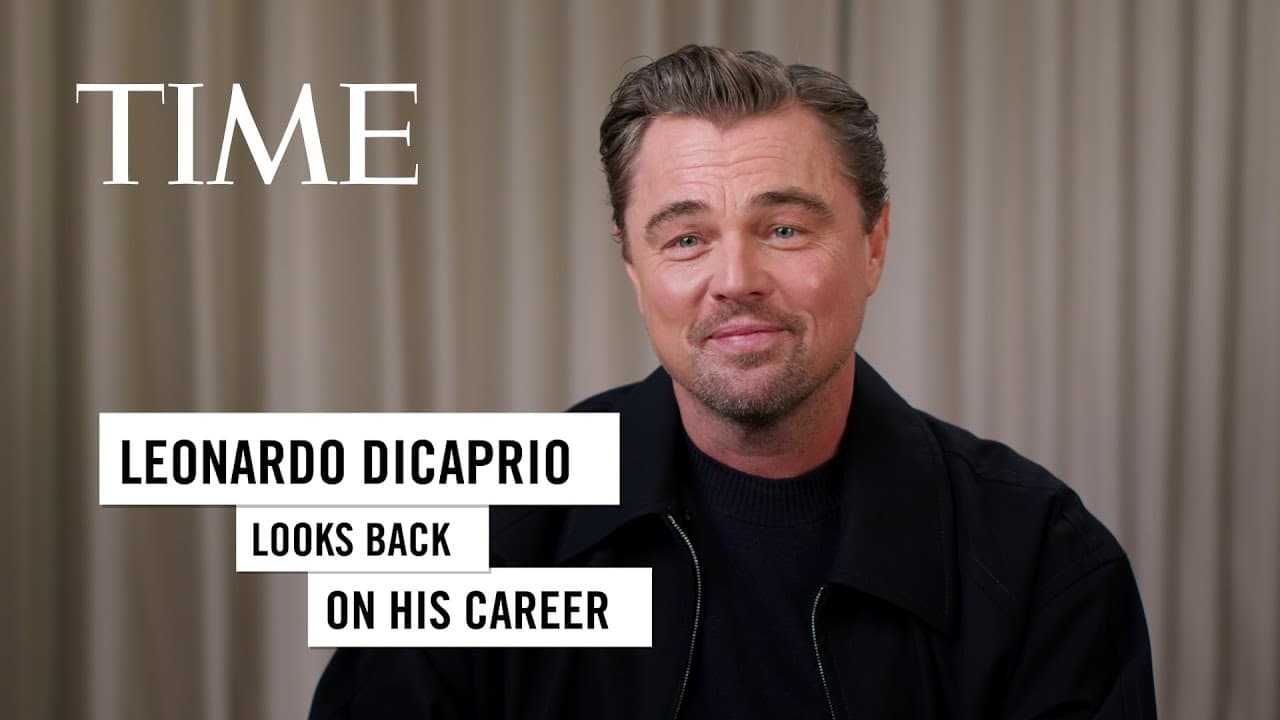
Leonardo DiCaprio built his career by treating acting as a marathon, choosing character development over more lucrative opportunities, and seeking directors who create immersive environments. His experiences with Robert De Niro, Paul Thomas Anderson, Quentin Tarantino, Emmanuel Lubezki, Martin Scorsese, and Jonah Hill show how preparation, authentic locations, technical experimentation, and improvisation can deepen a performance.
Transcript
At 15 years old, I think I had a firm idea of what kind of actor I wanted to be, what kind of career I wanted to have. More so than anything, I wanted to have longevity and look at it as a a marathon, not a sprint. I came from doing commercials, after school specials. I was on a great TV show for a year called Growing Pains. Very luckily I got this... Read More
Key Insights
- DiCaprio viewed acting as a marathon by age 15, with longevity as his central career goal. His early progression through commercials, after-school specials, Growing Pains, and This Boy’s Life reflects a deliberate shift from television work toward sustained film acting.
- What’s Eating Gilbert Grape was a pivotal career choice because DiCaprio rejected a more lucrative opportunity and worked intensely to create the character. He describes the production as his first experience with substantial character development and remembers it as a defining moment in his life.
- Immersive locations can help actors behave like chameleons because tactile, believable spaces make the fictional world feel present. DiCaprio says that something clicks when performers can absorb the physical environment and feel that they are genuinely inside the setting rather than merely representing it.
- Paul Thomas Anderson creates an intimate, low-fi microcosm by filming in real places and incorporating people connected to those environments. Real shop owners, corrections officers, and nurses contributed to the surrounding ecosystem, giving DiCaprio concrete details that could infuse his character with reality.
- Quentin Tarantino recreated 1969 Hollywood across seven square blocks in heavily visited areas of Los Angeles. DiCaprio recalls turning onto Hollywood Boulevard and encountering a transformed period environment, an experience he found mind-boggling because the physical scale made the historical setting tangible.
- The Revenant depended on natural magic-hour light and extreme weather, leaving only about an hour to an hour and a half as the sun descended. Freezing temperatures delayed production, cameras sometimes froze, and DiCaprio’s hands became cold while the filmmakers continued experimenting with landscape and camera movement.
- Martin Scorsese prepares actors and crew through deliberate screenings that can continue for days. Participants may include performers, camera personnel, lighting teams, and wardrobe staff, and Scorsese may select two films to communicate the intended essence of just one scene.
- The Wolf of Wall Street encouraged unusual freedom through rehearsed speeches and unpredictable improvisation. DiCaprio carefully prepared major speeches, while Jonah Hill could redirect scenes spontaneously. DiCaprio remembers the production as exceptionally free, exciting, spontaneous, and hilarious, with Scorsese visibly happy because the performers faced few creative rules.
Install to Summarize YouTube Videos and Get Transcripts
Explore YouTube Video Summarizer or Get YouTube Transcript Extractor
Questions & Answers
Q: How did Leonardo DiCaprio plan for a lasting acting career?
Leonardo DiCaprio says he had a firm idea of his desired career by age 15. Above all, he wanted longevity and viewed acting as a marathon rather than a sprint. He progressed from commercials and after-school specials to a year on Growing Pains, then used his opportunity beside Robert De Niro in This Boy’s Life to establish a film career shaped by careful choices.
Q: Why was What’s Eating Gilbert Grape a turning point for Leonardo DiCaprio?
What’s Eating Gilbert Grape became pivotal because DiCaprio chose it over another opportunity that would have been more lucrative, even though the filmmakers were hesitant to hire him. He worked hard to construct the role and describes it as his first genuine experience with character development. The process gave him important memories and helped define the direction of his film career.
Q: How do immersive sets shape Leonardo DiCaprio’s performances?
Immersive sets give DiCaprio tactile surroundings that help him feel like a chameleon inside the fictional world. He says real places can make something click for an actor because the environment supplies believable details and relationships. Instead of performing against an abstract backdrop, he can respond to the location, its people, and the broader ecosystem that surrounds the character.
Q: How does Paul Thomas Anderson create realistic filming environments?
Paul Thomas Anderson creates what DiCaprio calls an intimate, low-fi microcosm on set. He brought the production to numerous real locations and included actual shop owners, corrections officers, and nurses. Those people and places gave the performers direct contact with the relevant environment, allowing the reality of the surrounding ecosystem to influence their characters and their behavior within each scene.
Q: How did Quentin Tarantino recreate 1969 Hollywood?
Quentin Tarantino transformed seven square blocks in some of Los Angeles’s most tourist-oriented areas to represent 1969 Hollywood. DiCaprio remembers driving along Hollywood Boulevard, turning a corner, and suddenly entering the recreated period. The scale of the transformation made the experience mind-boggling for him and demonstrates how a physical setting can immerse an actor in a particular culture and time.
Q: What made filming The Revenant physically difficult?
The Revenant was filmed during magic hour, providing only about an hour to an hour and a half while the sun descended. Freezing temperatures repeatedly slowed production, cameras sometimes froze, and DiCaprio’s hands became extremely cold. These difficult elements also supported experimentation, including a moment when his breath struck Emmanuel Lubezki’s lens and created an interaction among the character, camera, and landscape.
Q: How does Martin Scorsese prepare actors for a film?
Martin Scorsese holds deliberate screenings for days with actors and, at times, crew members from camera, lighting, wardrobe, and other departments. His selections communicate the essence of what he hopes to capture. DiCaprio says Scorsese might screen two entire movies to clarify the intention behind one particular scene, giving collaborators a shared cinematic reference before filming begins.
Q: Why did The Wolf of Wall Street feel unusually spontaneous?
The production combined extensive preparation with freedom to improvise. DiCaprio rehearsed major speeches for long periods, including the “I’m not leaving” sequence, which was delayed for two weeks after he developed tonsillitis. Jonah Hill then brought unpredictable improvisation to their scenes, so the performers did not know which direction a moment might take. DiCaprio recalls that the set had very few rules.
Summary & Key Takeaways
-
DiCaprio says that by age 15 he already wanted a long career rather than immediate success. After commercials, after-school specials, and Growing Pains, working beside Robert De Niro in This Boy’s Life propelled his film career. He then prioritized What’s Eating Gilbert Grape over a more lucrative opportunity and concentrated on character development.
-
Immersive filmmaking became central to DiCaprio’s experiences with Paul Thomas Anderson and Quentin Tarantino. Anderson used real locations, shop owners, corrections officers, and nurses to create a believable ecosystem. Tarantino transformed seven square blocks into 1969 Hollywood and assembled notable stunt performers for the flamethrower sequence involving actors playing Nazis.
-
Extreme conditions and creative freedom produced some of DiCaprio’s strongest memories. The Revenant used limited magic-hour light and freezing environments, while The Wolf of Wall Street combined Scorsese’s deliberate preparation with long-rehearsed speeches and Jonah Hill’s improvisation. DiCaprio also says the cinematic experience appears threatened, though he advocates for theaters only as a fan.
Read in Other Languages (beta)
Share This Summary 📚
Summarize YouTube Videos and Get Video Transcripts with 1-Click
Try YouTube Summary with ChatGPT & Claude or YouTube Transcript Generator
Explore More Summaries from TIME 📚



Summarize YouTube Videos and Get Video Transcripts with 1-Click
Try YouTube Summary with ChatGPT & Claude or YouTube Transcript Generator