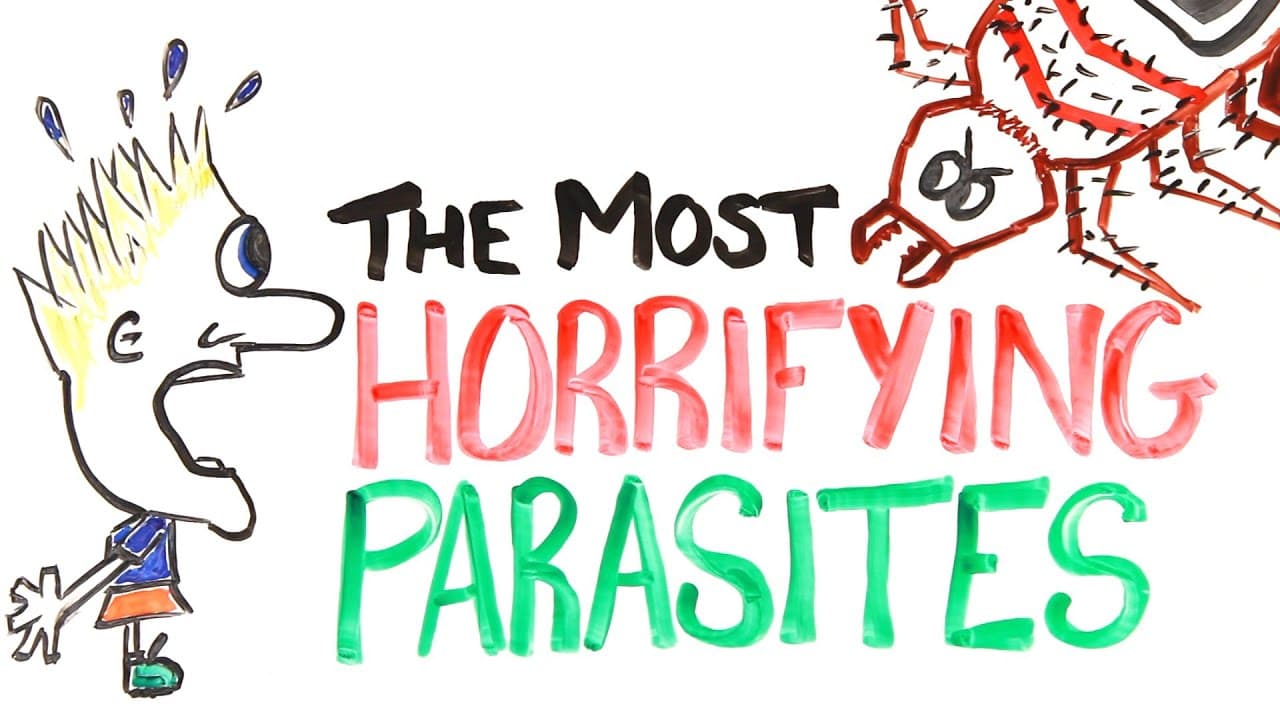
The Most Horrifying Parasites!
TL;DR
The most horrifying parasites cause disease, intense itching, abdominal symptoms, or disturbing changes in their hosts. Filarial worms can block lymphatic vessels, pinworms can repeatedly contaminate hands and fingernails, and Anisakis larvae can penetrate the human gut wall. The list also includes tongue-eating lice and fungi that create zombie ants, so read on to see how each parasite infects, harms, or manipulates its host.
Transcript
Parasites have a nasty reputation - but is really fair to fear these little guys? Well, yes - and if you don't think so, here's why these terrifying creatures are worth avoiding at all costs! As if you need another reason to hate mosquitoes
- when they bite humans they can leave larvae of the parasitic Filarial Worm. These worms live and grow in ou... Read More
Key Insights
- 🦟 Mosquitoes can transmit harmful parasites like the Filarial Worm, highlighting the importance of mosquito control and prevention measures.
- 🍵 Proper hand hygiene is crucial to prevent pinworm infections and break the cycle of re-infection.
- 👮 Pubic lice can be treated with medication or shaving, and practicing safe sex and personal hygiene can help prevent infestation.
- 🐟 Consuming raw or undercooked fish carries the risk of Anisakis Nematode infection, causing abdominal symptoms.
- 🐟 The Tongue Biter parasite is a marine parasite that chews off a fish's tongue and attaches to the stub, feeding on the fish's blood.
- 🥺 Cordyceps fungi can manipulate ants, causing them to climb to a more suitable environment and eventually leading to their death.
- 🥺 James Cook University is a leading institution focused on tropical research and offers an opportunity to study in a diverse physical environment.
Install to Summarize YouTube Videos and Get Transcripts
Explore YouTube Video Summarizer or Get YouTube Transcript Extractor
Questions & Answers
Q: Why are parasites worth fearing and avoiding?
The parasites described can cause debilitating disease, intense itching, abdominal pain, nausea, vomiting, or death in their hosts. Some also manipulate host behavior or replace a fish’s tongue while feeding on its blood.
Q: How do mosquitoes transmit filarial worms, and what can happen afterward?
When mosquitoes bite humans, they can leave behind filarial worm larvae that live and grow inside the body. Sometimes taking years to mature, the worms can eventually block lymphatic vessels, cause fluid buildup, and lead to diseases such as elephantiasis.
Q: How do pinworms infect humans and cause reinfection?
People often ingest pinworm eggs from contaminated or dirty hands, after which the eggs hatch and mature in the gut. Adult females lay eggs on skin around the anus, causing intense itching that can contaminate hands or fingernails and restart the cycle when they reach the mouth.
Q: What are pubic lice, and how can they be treated or prevented?
Pubic lice, also called crabs, can live in pubic hair, eyebrows, beards, or eyelashes, and their saliva causes an allergic reaction and itching. Medication or shaving off the infested hair can remove them, while abstinence and not sharing underwear are described as preventive measures.
Q: How does the Anisakis nematode infect humans, and what symptoms does it cause?
Humans can ingest Anisakis larvae by eating raw or undercooked fish, including sushi containing the larvae. The worms penetrate the gut wall and can cause abdominal pain, nausea, and vomiting, but they cannot mature in a human gut and eventually die.
Q: What does the tongue biter parasite do to a fish?
The tongue biter is a marine louse that finds a suitable fish and chews off its tongue. It then clings to the remaining stub, feeds on the fish’s blood, mates, and disperses its progeny into the ocean.
Q: How does cordyceps fungus create zombie ants?
Cordyceps takes over an ant’s body and mind, driving it away from the colony and upward toward more suitable temperature and humidity. The ant bites onto a stem or leaf and remains locked there until it dies, after which the fungus bursts through its head and spreads outward.
Q: Who helped compile this list of horrifying parasites?
James Cook University helped put the list together, with special assistance from parasitologist Dr Kate Hutson. The transcript describes JCU as an institution focused on the tropics and points viewers to jcu.edu.au and marineparasites.com for more information.
Summary & Key Takeaways
-
Mosquitoes can transmit the Filarial Worm, which grows in our bodies and can lead to diseases like elephantiasis.
-
Pinworms, commonly ingested through contaminated hands, create intense itching and can result in re-infection if not properly treated.
-
Pubic lice, also known as crabs, cause itching and require medication or shaving to get rid of them.
Read in Other Languages (beta)
Share This Summary 📚
Summarize YouTube Videos and Get Video Transcripts with 1-Click
Try YouTube Summary with ChatGPT & Claude or YouTube Transcript Generator
Explore More Summaries from AsapSCIENCE 📚



Summarize YouTube Videos and Get Video Transcripts with 1-Click
Try YouTube Summary with ChatGPT & Claude or YouTube Transcript Generator