Making First and Lasting Impressions
TL;DR
To make a lasting impression in presentations, focus on your appearance and the first words you say, as audiences form judgments in just one second. While you can't control everything, like height or voice, you can compensate by improving aspects you can manage. Engage your audience by asking questions and teasing upcoming content to keep their interest alive.
Transcript
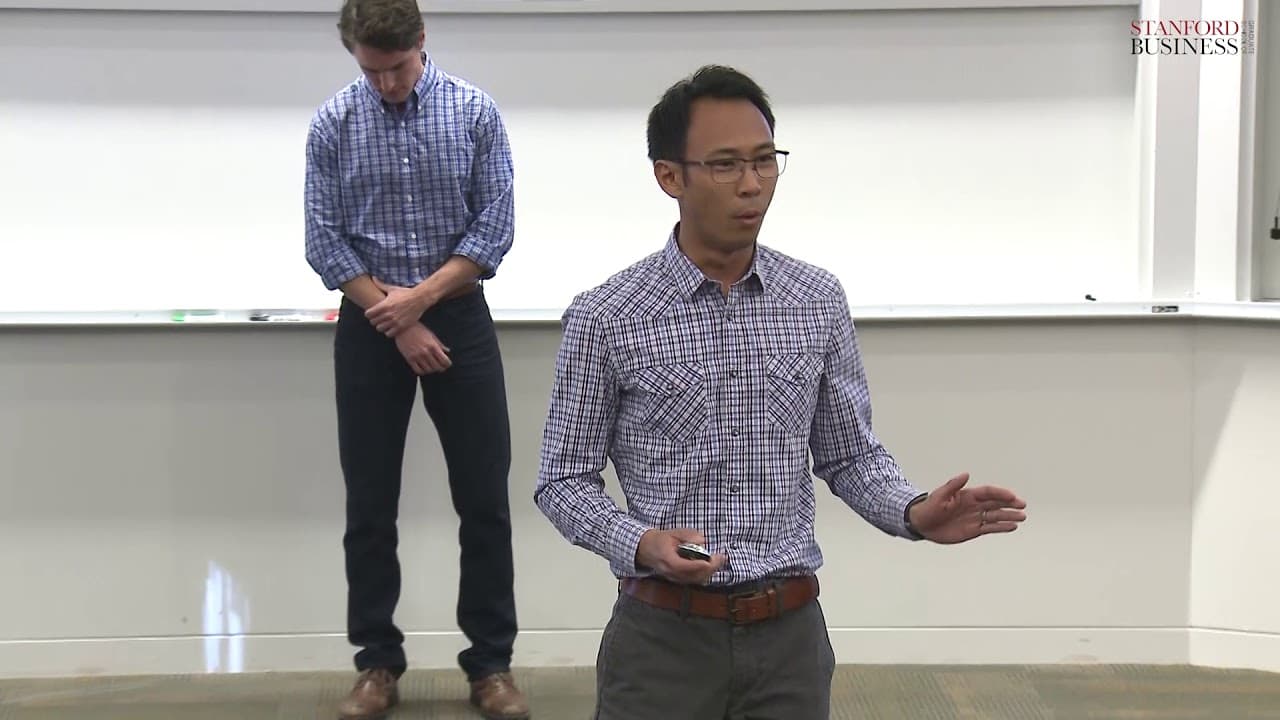
[MUSIC] I want to talk about impressions. And I think a good place to start would be first impressions. Because you see, as I walk up here today wearing this incredibly dope outfit- >> [LAUGH] >> Each of you, whether you realize it or not,
As many snap judgement about me based on my look alone. Before any word comes out of my mouth. [COUGH] >... Read More
Key Insights
- 💁 First impressions are formed within one second and impact how your audience responds to your presentation.
- ❓ Audience biases can influence their judgment of you, but you can minimize them through strategic presentation choices.
- 😷 Engaging your audience through teasing, asking questions, and revealing answers can pique their interest and make a lasting impression.
Install to Summarize YouTube Videos and Get Transcripts
Explore YouTube Video Summarizer or Get YouTube Transcript Extractor
Questions & Answers
Q: How long does it take for people to form an impression of someone?
Research shows that it takes only one second for people to form an impression of someone based on their appearance and first words.
Q: What traits are people judging based on first impressions?
Within that one second, people are judging traits such as trustworthiness, confidence, competence, warmth, and more.
Q: Can you control all aspects of your first impression?
No, there are certain things you can't control, like your height or voice. However, you can overcompensate in other areas to make a positive first impression.
Q: How can you minimize biases that your audience may have?
By understanding your audience and their potential biases, you can structure your presentation to match their expectations and overcompensate for any biases by doing something else.
Summary
In this video, the speaker discusses the importance of first impressions and making a lasting impression during presentations. They emphasize that people judge others within seconds based on their appearance and initial words, so it's crucial to manage these factors effectively. The speaker also suggests strategies for engaging the audience, such as teasing before telling, asking questions, and revealing answers. Additionally, they discuss the use of visual aids and simplicity in conveying messages. They highlight the power of analogies, high-concept pitches, and proverbs to make ideas memorable. The video provides valuable insights for effective communication and influencing others.
Questions & Answers
Q: Why do first impressions matter?
First impressions are vital because people make snap judgments about others within seconds based on their appearance and initial words. Research shows that it takes just one second to form an impression, and these impressions can greatly influence how individuals respond to a presentation.
Q: How can biases and preconceived notions be managed during presentations?
While it's impossible to control the biases that the audience may already have, presenters can overcompensate for potential biases by taking certain actions. For example, if someone is shorter, they can focus on maintaining good posture and projecting confidence. If someone has a unique voice, they can address it and make light of it to help put the audience at ease. The key is understanding potential biases and finding ways to minimize their impact through compensatory actions.
Q: What are some things that can be controlled to make a good first impression?
Several factors can be controlled to shape the first impression. These include the way you enter the room, the first words spoken, attire, and even the title of the presentation. It's important to consider these factors and align them with the desired impression you wish to leave on the audience.
Q: How can presenters engage their audience effectively?
The speaker suggests several techniques for engaging the audience. One approach is teasing the audience with questions or potential answers to pique their curiosity and create anticipation. Presenters can also reveal an answer or solution and continue to engage the audience by delving deeper into the topic. Asking the audience questions and encouraging active participation can also enhance engagement.
Q: How can visual aids contribute to a presentation's effectiveness?
Visual aids can significantly enhance a presentation by providing a tangible representation of the information being conveyed. For example, instead of displaying charts and tables, presenters can translate data into something concrete and impactful. Showing actual products or live demos can have a powerful impact on the audience, creating a more memorable experience and driving home key points.
Q: How does simplicity play a role in making messages stick?
Simplicity is key in making messages memorable. Presenters often have a wealth of knowledge on a particular topic, but it's important to distill that information into something concrete and understandable. The speaker suggests using analogies or high-concept pitches that draw on familiar references, as well as using proverbs or memorable sayings. Simplifying complex ideas helps ensure the message is easily understood and retained by the audience.
Takeaways
The video provides valuable insights on making impactful first impressions and crafting enduring presentations. It highlights the importance of managing appearance, initial words, and biases to create a positive impression on the audience. The speaker discusses strategies for engaging the audience through teasing, asking questions, and revealing answers. Visual aids, such as live demos or tangible representations, can enhance the effectiveness of presentations. Distilling messages into simple and memorable elements, such as analogies or proverbs, helps make them stick with the audience. By implementing these techniques, presenters can make a lasting impact and effectively influence others.
Summary & Key Takeaways
-
Research shows that people form snap judgments about others based on their appearance and first words within one second.
-
Making a good first impression is crucial for a successful presentation as it affects how the audience perceives your trustworthiness, competence, and more.
-
While there are things you can't control, such as your height or voice, you can overcompensate in other areas to leave a positive first impression.
Read in Other Languages (beta)
Share This Summary 📚
Summarize YouTube Videos and Get Video Transcripts with 1-Click
Try YouTube Summary with ChatGPT & Claude or YouTube Transcript Generator
Explore More Summaries from Stanford Graduate School of Business 📚




Summarize YouTube Videos and Get Video Transcripts with 1-Click
Try YouTube Summary with ChatGPT & Claude or YouTube Transcript Generator