What Is the Anatomy of the Duodenum?
TL;DR
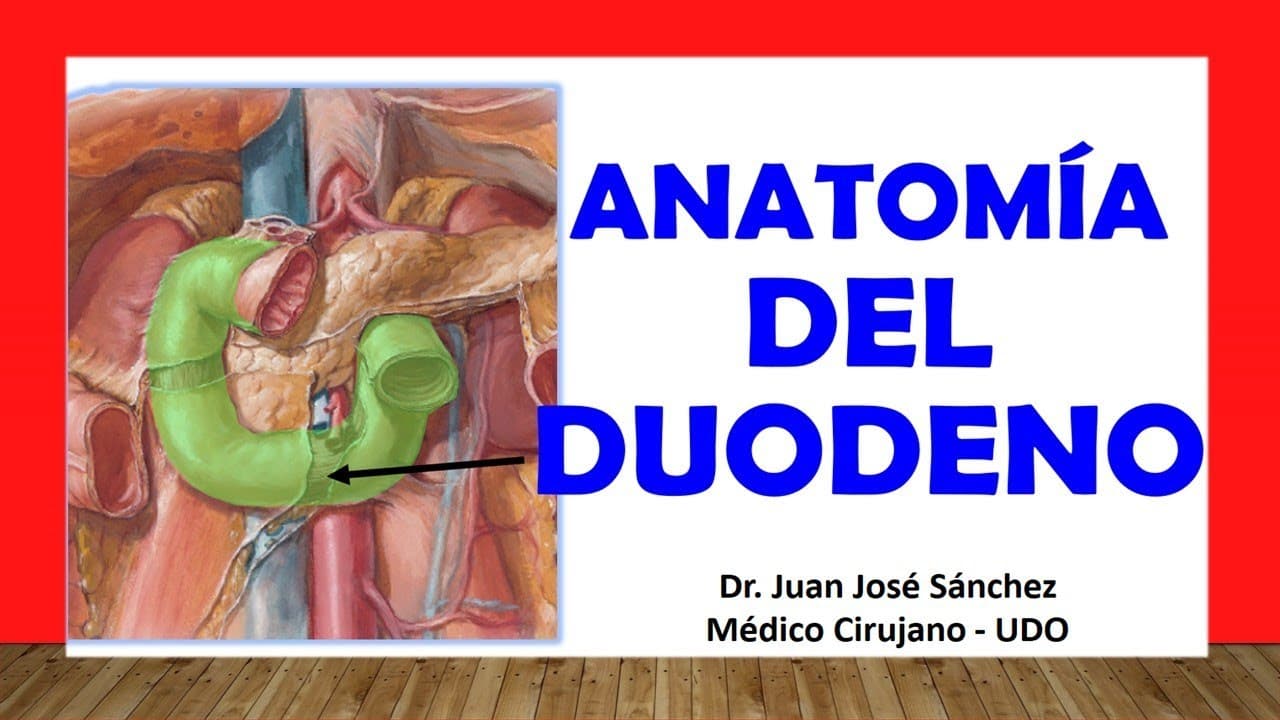
The duodenum is the first part of the small intestine, connecting the stomach to the jejunum. It is divided into four portions, with the first being intraperitoneal and the remaining three retroperitoneal. This section of the intestine is crucial for digestion, receiving bile and pancreatic ducts, and is supplied by the gastroduodenal artery.
Transcript
How are you my dear anatomists, welcome to a new easy anatomy video. Today I bring you a video about the small intestine, more specifically we will talk about the anatomy of the duodenum. In the video we will first talk about what are the generalities of the duodenum, followed by its portions, its most important anatomical relationships to end with... Read More
Key Insights
- The duodenum is the first portion of the small intestine, connecting the stomach to the jejunum.
- It consists of four portions: superior, descending, inferior, and ascending.
- The first portion is intraperitoneal, while the remaining three are retroperitoneal and mostly immobile.
- The duodenum receives the chyme from the stomach and is crucial for digestion.
- It is closely associated with the pancreas, with ducts from the pancreas and liver emptying into it.
- The gastroduodenal artery supplies the duodenum, forming anastomoses with the superior mesenteric artery.
- Venous drainage occurs through pancreatic-duodenal veins into the superior mesenteric and portal veins.
- Innervation is both sympathetic and parasympathetic, involving the celiac plexus and vagal trunks.
Install to Summarize YouTube Videos and Get Transcripts
Explore YouTube Video Summarizer or Get YouTube Transcript Extractor
Questions & Answers
Q: How is the duodenum structured anatomically?
The duodenum is anatomically divided into four portions: the superior, descending, inferior, and ascending portions. The superior portion is intraperitoneal and mobile, while the descending, inferior, and ascending portions are retroperitoneal and mostly immobile. These portions have distinct anatomical relationships with surrounding organs and structures, including the pancreas and liver.
Q: What are the functions of the duodenum?
The duodenum plays a crucial role in digestion by receiving chyme from the stomach and mixing it with bile and pancreatic juices. These secretions aid in the breakdown of food particles, facilitating nutrient absorption in the subsequent segments of the small intestine. The duodenum also regulates the passage of chyme into the jejunum through the duodeno-jejunal junction.
Q: What arteries supply the duodenum?
The duodenum is primarily supplied by the gastroduodenal artery, which branches into the superior pancreatic-duodenal arteries. These arteries form anastomoses with the inferior pancreatic-duodenal arteries, which are branches of the superior mesenteric artery. This vascular network ensures a rich blood supply, supporting its digestive functions.
Q: How does venous drainage occur in the duodenum?
Venous drainage of the duodenum occurs through the pancreatic-duodenal veins, which drain into the superior mesenteric vein and the portal vein. This drainage pathway ensures that blood from the duodenum is directed towards the liver, where nutrients and other substances absorbed in the duodenum can be processed.
Q: What is the role of the ampulla of Vater in the duodenum?
The ampulla of Vater, also known as the hepatopancreatic ampulla, is a dilation where the common bile duct and the main pancreatic duct merge before emptying into the duodenum. It plays a critical role in digestive processes by allowing bile and pancreatic enzymes to enter the duodenum, facilitating the digestion of fats, proteins, and carbohydrates.
Q: What are the sphincters associated with the duodenum?
The duodenum has several sphincters that regulate the flow of digestive juices. The sphincter of Oddi controls the release of bile and pancreatic juices into the duodenum through the major duodenal papilla. Additional sphincters include the pancreatic duct sphincter and the sphincter of the ampulla of Vater, which manage the flow at the junction of the bile and pancreatic ducts.
Q: How is the duodenum innervated?
The duodenum receives sympathetic innervation from the celiac plexus, which is composed of nerve fibers that regulate its muscular and vascular functions. Parasympathetic innervation is provided by the anterior and posterior vagal trunks, which enhance digestive activity by stimulating the secretion of digestive enzymes and facilitating peristalsis.
Q: What are the anatomical relationships of the duodenum?
The duodenum has several important anatomical relationships. It is closely associated with the pancreas, with the head of the pancreas nestled within its C-shaped curve. The descending portion lies anterior to the right kidney, while the inferior portion crosses over the inferior vena cava and aorta. These relationships are crucial for its function and surgical considerations.
Summary & Key Takeaways
-
The duodenum is the first segment of the small intestine, playing a vital role in digestion by connecting the stomach to the jejunum. It is divided into four parts, with distinct anatomical relationships and vascular supplies. The first portion is mobile and intraperitoneal, while the other three are retroperitoneal and more fixed.
-
The duodenum is supplied by the gastroduodenal artery, which branches into superior and inferior pancreatic-duodenal arteries, forming anastomoses with the superior mesenteric artery. Venous drainage is through pancreatic-duodenal veins into the superior mesenteric and portal veins.
-
The duodenum is a key digestive organ, receiving bile and pancreatic secretions via the ampulla of Vater. It has two main papillae for duct openings, with associated sphincters regulating flow. The organ's innervation involves the celiac plexus for sympathetic and vagal trunks for parasympathetic inputs.
Read in Other Languages (beta)
Share This Summary 📚
Summarize YouTube Videos and Get Video Transcripts with 1-Click
Try YouTube Summary with ChatGPT & Claude or YouTube Transcript Generator
Explore More Summaries from Anatomía Fácil por Juan José Sánchez 📚
Summarize YouTube Videos and Get Video Transcripts with 1-Click
Try YouTube Summary with ChatGPT & Claude or YouTube Transcript Generator