How a Family Portrait Revealed Royal Ancestry
TL;DR
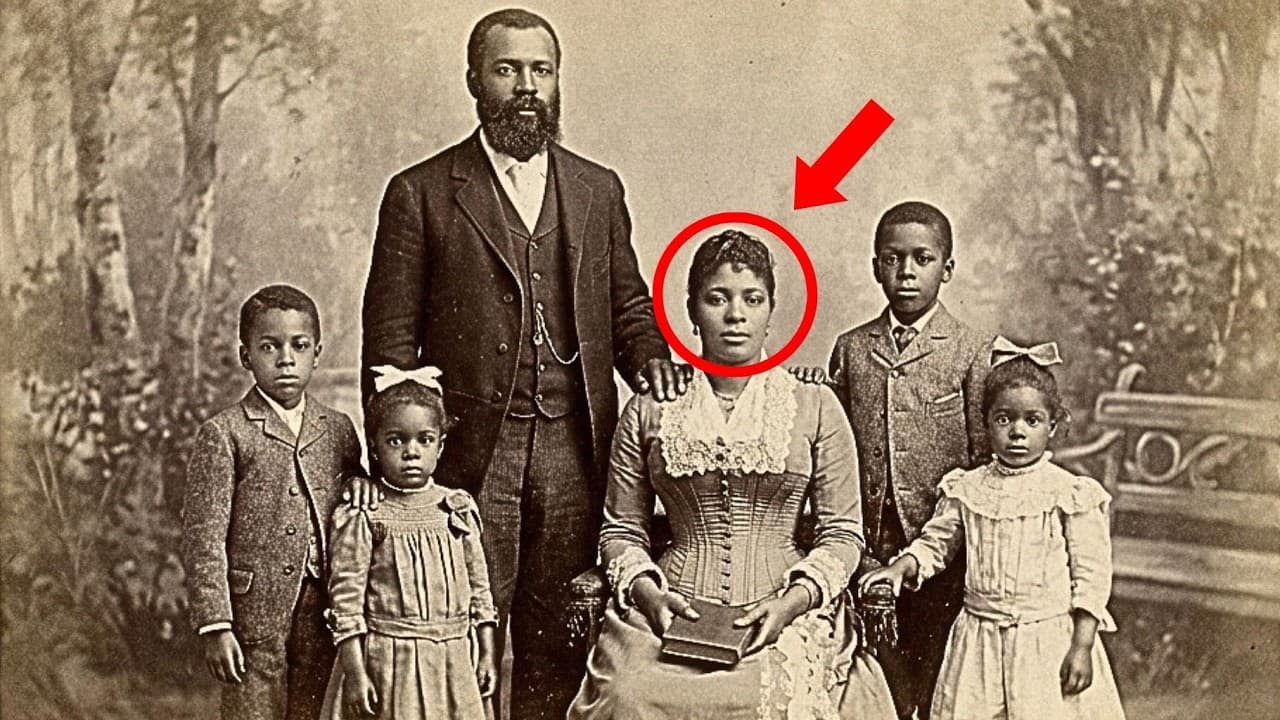
A forgotten 1888 family portrait revealed a genetic link to African royalty through the matriarch's eyes. Advanced imaging technology uncovered a rare iris pattern, connecting the family to the royal lineage of the Dongo Kingdom in Angola. This discovery reunited descendants with their heritage, proving a legacy of strength and resilience.
Transcript
A single photograph taken in 1888 in a modest portrait studio. A black family dressed in their finest clothes, gazing directly into the camera with quiet dignity. For over a century, this image sat forgotten in an archive. Just another relic of the past. But when modern geneticists used advanced imaging technology to examine the matriarch's eyes, t... Read More
Key Insights
- A family portrait from 1888 contained a hidden genetic link to African royalty.
- Advanced imaging revealed an unusual iris pattern in the matriarch's eyes.
- The iris pattern was linked to the royal lineage of the Dongo Kingdom in Angola.
- The photograph was taken at J Morrison Studio in Richmond, Virginia.
- Grace Thomas, the matriarch, was a midwife and healer in her community.
- Grace's mother, Enzinga, claimed descent from Queen Enzinga of Nongo.
- DNA testing confirmed the royal lineage in the family's descendants.
- The discovery reconnected the family with their royal heritage.
Install to Summarize YouTube Videos and Get Transcripts
Explore YouTube Video Summarizer or Get YouTube Transcript Extractor
Questions & Answers
Q: How did the family portrait reveal royal ancestry?
The family portrait taken in 1888 revealed royal ancestry through the matriarch's eyes. Advanced imaging technology uncovered a rare iris pattern in her eyes, which modern geneticists linked to the royal lineage of the Dongo Kingdom in Angola. This discovery connected the family to a royal heritage that had been forgotten over time.
Q: What technology was used to analyze the photograph?
Advanced imaging technology was used to analyze the photograph. A professional-grade scanner captured high-resolution details of the matriarch's eyes, revealing a distinctive iris pattern. This pattern was then compared against a genetic iris pattern recognition system developed by the National Institute of Health, leading to the discovery of the family's royal lineage.
Q: Who was Grace Thomas in the family portrait?
Grace Thomas was the matriarch in the 1888 family portrait. She was a midwife and healer in her community, and her eyes held a rare iris pattern linked to African royalty. Genetic analysis later confirmed her descent from the royal lineage of the Dongo Kingdom in Angola, connecting her family to a forgotten royal heritage.
Q: What is the significance of the iris pattern found in the photograph?
The iris pattern found in the photograph was significant because it linked the family to the royal lineage of the Dongo Kingdom in Angola. This rare genetic marker, found in less than 1% of the global population, provided evidence of the family's royal ancestry, which had been obscured by history and the legacy of slavery.
Q: How was the connection to African royalty confirmed?
The connection to African royalty was confirmed through advanced genetic analysis. The distinctive iris pattern found in the matriarch's eyes matched a genetic marker associated with the royal lineage of the Dongo Kingdom in Angola. DNA testing of living descendants further verified this lineage, proving the family's royal ancestry beyond doubt.
Q: What role did Dr. Maya Richardson play in the discovery?
Dr. Maya Richardson played a crucial role in the discovery by identifying the unique iris pattern in the 1888 photograph. Her expertise in historical photography led her to collaborate with geneticists and genealogists, ultimately uncovering the family's royal lineage. Her research and perseverance were instrumental in reconnecting the family with their heritage.
Q: Who was Enzinga and what was her significance in the story?
Enzinga was Grace Thomas' mother, who claimed descent from Queen Enzinga of Nongo. She arrived in America on a slave ship in 1847, and her story was crucial in tracing the family's royal lineage. Her name and claim to royal blood were documented in historical records, providing a vital link to the family's African heritage and royal ancestry.
Q: What impact did the discovery have on the descendants of the Thomas family?
The discovery had a profound impact on the descendants of the Thomas family. It reconnected them with a royal heritage and a legacy of strength and resilience. The revelation of their royal ancestry validated family stories and provided a sense of identity and pride. It also fostered a deeper understanding of their history and cultural roots.
Summary & Key Takeaways
-
In 1888, a family portrait captured a hidden legacy. The matriarch's eyes held a rare iris pattern, later revealed to be linked to the royal lineage of the Dongo Kingdom in Angola. This discovery, made possible by modern imaging technology, reconnected descendants with their royal heritage, proving a legacy of strength and resilience.
-
The photograph, taken at J Morrison Studio in Richmond, Virginia, showed a family of six with dignity and pride. Grace Thomas, the matriarch, was a midwife and healer. Her genetic link to African royalty was confirmed through advanced imaging and DNA testing, revealing a story of survival and royal ancestry.
-
The investigation traced Grace Thomas' lineage back to her mother, Enzinga, who claimed descent from Queen Enzinga of Nongo. Enzinga arrived in America on a slave ship in 1847. The discovery of this royal lineage was a profound revelation for the descendants, reuniting them with their heritage and identity.
Read in Other Languages (beta)
Share This Summary 📚
Summarize YouTube Videos and Get Video Transcripts with 1-Click
Try YouTube Summary with ChatGPT & Claude or YouTube Transcript Generator
Explore More Summaries from Connected Souls 📚
Summarize YouTube Videos and Get Video Transcripts with 1-Click
Try YouTube Summary with ChatGPT & Claude or YouTube Transcript Generator