How to revive ghosted deals with one phrase
TL;DR
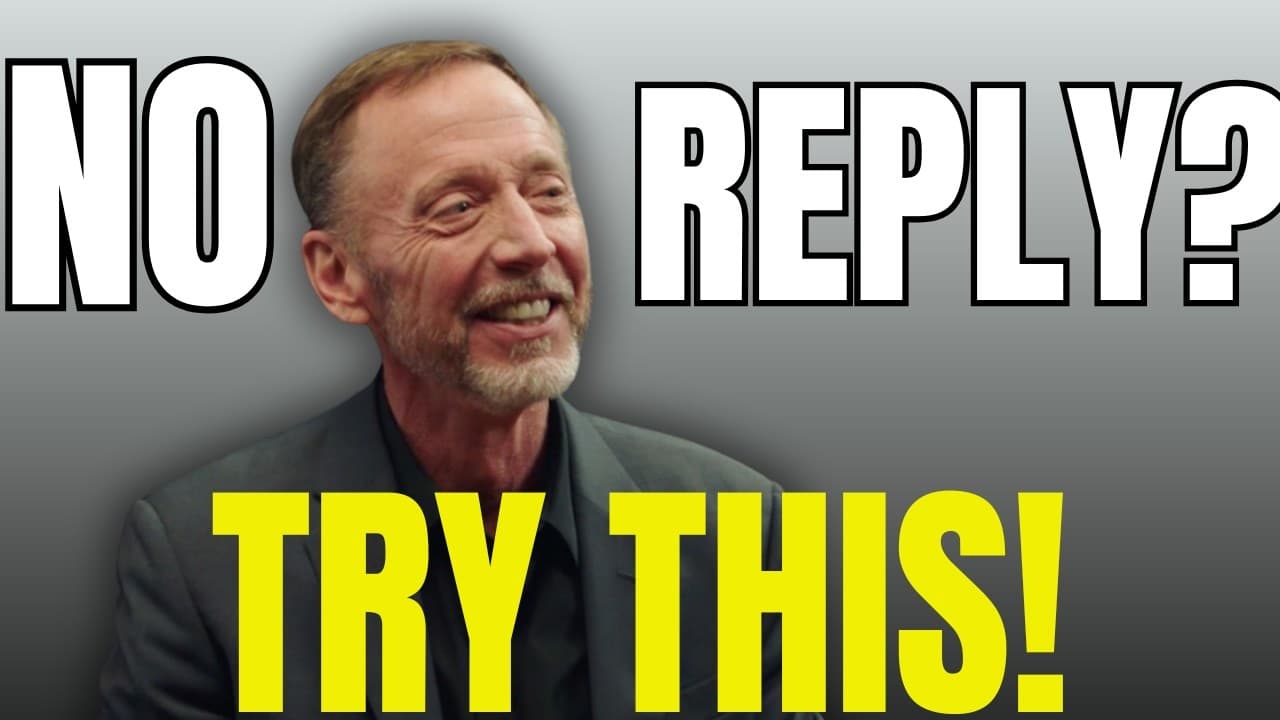
The phrase to use is Have you given up on this deal? When sent, the other party may reply within three to five minutes or say they have moved on. The method relies on triggering a decision, not chasing, and uses fear of loss to motivate action. It replaces endless follow ups with a decisive prompt.
Transcript
Let me tell you a phrase, seven words, one sentence. I've had many companies use it. And seven figure deals that were dead got resurrected and closed. Ready? Have you given up on this deal? When someone ghosts your deal, when you followed up three times and still get nothing but radio silence, you're probably thinking they're just not interested an... Read More
Key Insights
- A single seven word phrase can revive dead deals.
- The core phrase is Have you given up on this deal, used without extras.
- Desperation in follow ups damages credibility and closes fewer deals.
- Fear of loss is a stronger motivator than the promise of gain.
- Ownership and safety influence decision making and commitment.
- This strategy shifts the dynamic from chasing to triggering a decision.
- The approach works in person or over text with the same effect.
- Successful use results in either renewed negotiation or clear closure.
Install to Summarize YouTube Videos and Get Transcripts
Explore YouTube Video Summarizer or Get YouTube Transcript Extractor
Questions & Answers
Q: How to restart a stalled deal with one sentence
The recommended approach is to send Have you given up on this deal, with no additional text before or after. This prompts the other party to respond quickly, offering either a path to solution or a clear statement that they have moved on. It leverages fear of loss and ownership to accelerate decision making.
Q: Why is chasing a deal considered ineffective
Chasing a deal is described as desperation and can signal a lack of confidence, which reduces credibility and increases resistance. By contrast, asking a direct question about the status of the deal creates a boundary and invites a decisive response. This shifts power and reduces unnecessary friction.
Q: What makes fear of loss a powerful motivator
Fear of loss is presented as a fundamental driver in decision making, often stronger than potential gains. By highlighting potential loss indirectly through Have you given up on this deal, you trigger the prospect to re-evaluate and either commit to a solution or concede that the deal is no longer viable.
Q: Can this phrase be used in both text and in-person negotiations
Yes, the video indicates the phrase works across formats. It is designed to be concise and direct, avoiding filler language, which makes it effective whether delivered in a face-to-face meeting or a text message. The simple prompt reduces miscommunication and accelerates responses.
Q: What happens after sending the phrase
After sending the phrase, you await a response. If the other party replies quickly with interest, you can continue negotiating toward a solution. If they say they have moved on, you gain clarity and can redirect your efforts, saving time and preserving energy.
Q: What are the two possible outcomes of using the phrase
The two outcomes are a quick resumption of dialogue with a path to solution or a clear confirmation that the deal has moved on. Either result is valuable: you either close the deal or stop chasing and focus on other opportunities.
Q: Why is it important to avoid additional text around the phrase
Additional text can dilute the impact and come across as hedging or desperate. Keeping the message exactly as the phrase minimizes friction and keeps the decision moment clean, allowing the recipient to respond without feeling pressured or overwhelmed.
Q: What role does ownership play in this strategy
Ownership is encouraged by giving the recipient space to decide and signaling that they control the outcome. This reduces the perception of being cornered, increases security, and helps them feel they are making an autonomous choice, which improves the likelihood of a favorable response.
Summary & Key Takeaways
-
The video presents a single seven word phrase that has revived multiple seven figure deals by prompting a decision rather than chasing. It emphasizes that fear of loss drives decisions and that ownership and safety encourage clear commitment. The approach is described as applicable in person or via text.
-
The speaker describes why chasing is ineffective, labeling it as desperation, and explains that the phrase creates urgency without pressuring by offering a clear path to either resuming conversation or moving on.
-
The video provides practical rules for using the phrase, instructing to keep it bare and avoid hedging language, and to be prepared for either a renewed dialogue or a clean exit from the deal.
Read in Other Languages (beta)
Share This Summary 📚
Summarize YouTube Videos and Get Video Transcripts with 1-Click
Try YouTube Summary with ChatGPT & Claude or YouTube Transcript Generator
Explore More Summaries from Chris Voss & The Black Swan Group 📚



Summarize YouTube Videos and Get Video Transcripts with 1-Click
Try YouTube Summary with ChatGPT & Claude or YouTube Transcript Generator