What Historical Evidence Exists for Jesus?
TL;DR
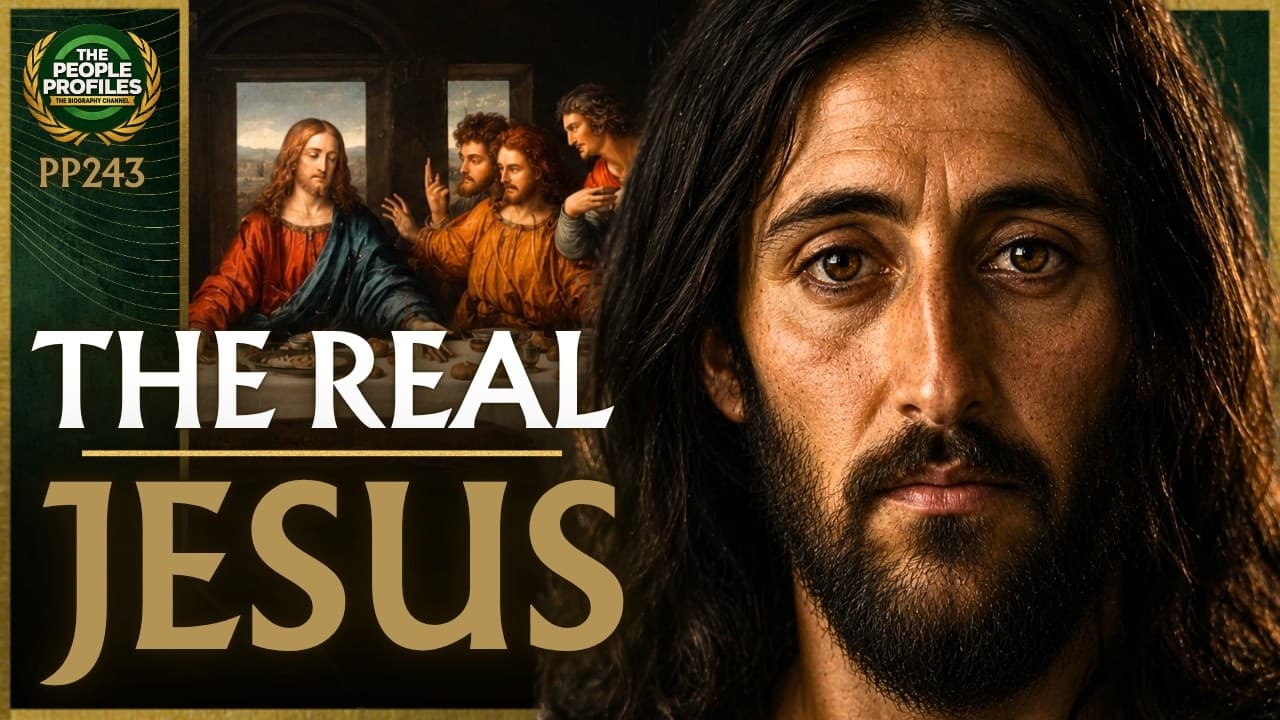
Historical evidence for Jesus comes mainly from Paul’s mid-first-century letters, the four canonical Gospels written between 70 and 110 AD, and brief later references by Josephus, Pliny the Younger, and Tacitus. These sources differ in date, purpose, and detail, so reconstructing Jesus’ life requires careful comparison rather than treating every account as equally reliable. Read on to see what each source actually supports.
Transcript
The man known to history as Jesus Christ, or Yeshua in his native Aramaic tongue, was born in Judaea, a region in the southern Levant in the Middle East. The Christian calendar commonly used throughout the world designates the Year 1 AD as the year of Jesus’ birth, though most scholars believe, based on circumstantial evidence relating to wider ... Read More
Key Insights
- Jesus was probably born between 7 BC and 4 BC, rather than in Year 1 AD as suggested by the commonly used Christian calendar. The transcript also states that no concrete evidence establishes 25 December as the date of his birth.
- The nativity accounts are preserved in Matthew and Luke, but they describe the angelic announcement differently. Luke places Gabriel’s message before Mary, while Matthew describes an angel reassuring Joseph that Mary’s pregnancy resulted from the Holy Spirit.
- The earliest Gospel, Mark, contains no information about Jesus’ birth. The transcript presents this absence alongside scholarly arguments that the oldest traditions portrayed Jesus as attaining divine status at his death and resurrection, with a later tradition placing that change at his baptism.
- Jesus is described in early sources as having brothers named James, Joses, Simon, and Jude, along with unnamed sisters. Josephus and Paul also mention a brother called James, although Catholic and Eastern Orthodox interpretations identify the siblings as cousins or Joseph’s children from an earlier marriage.
- Roman Judaea was shaped by foreign domination, religious tension, and resistance to imperial rule. Roman garrisons, the appointment of a prefect in 6 AD, and perceived disrespect toward the Jerusalem Temple helped intensify unrest during the period in which Jesus lived.
- The canonical Gospels were written between 70 and 110 AD, several decades after Jesus’ death. They were probably composed anonymously in Greek by educated followers removed from Jesus himself, then attributed later to apostles or their associates to strengthen their credibility.
- The Gospels are collections of sayings and deeds intended to promote Jesus’ teachings, rather than biographies organized according to modern historical standards. Consequently, they provide limited chronological detail and must be compared with one another, earlier Christian writings, and non-Christian references.
- Paul’s letters are the earliest Christian sources connected to a verifiable author and date to the middle of the first century AD. Later references by Josephus, Pliny the Younger, and Tacitus are brief, suggesting that Jesus had not been considered important across the wider Roman world during his lifetime.
Install to Summarize YouTube Videos and Get Transcripts
Explore YouTube Video Summarizer or Get YouTube Transcript Extractor
Questions & Answers
Q: What historical evidence exists for Jesus?
The earliest Christian evidence connected to a verifiable author consists of Paul’s letters from the middle of the first century AD. Other evidence includes the four canonical Gospels, written between 70 and 110 AD, and brief later references by Josephus, Pliny the Younger, and Tacitus.
Q: When was Jesus probably born?
Most scholars cited in the transcript place Jesus’ birth between 7 BC and 4 BC, based on circumstantial evidence involving wider events in the Roman world. This differs from the Christian calendar’s designation of Year 1 AD, and no concrete evidence establishes 25 December as his birthday.
Q: What do Matthew and Luke say about Jesus’ birth?
Luke says Gabriel told Mary that she would conceive through the Holy Spirit, while Matthew describes an angel reassuring Joseph about Mary’s pregnancy. Both accounts connect the conception to divine action, but they present the announcement from different perspectives.
Q: Did the earliest Christian traditions describe Jesus as divine from birth?
The transcript says many biblical scholars believe the oldest traditions portrayed Jesus as attaining divine status through his death and resurrection. A slightly later tradition placed this change after his baptism, while Mark, identified as the earliest Gospel, includes no nativity account.
Q: Did Jesus have brothers and sisters?
Mark and Matthew name four brothers, James, Joses, Simon, and Jude, and mention unnamed sisters. Josephus and Paul also refer to James, but Roman Catholic and Eastern Orthodox interpretations identify the siblings as cousins or as Joseph’s children from a previous marriage.
Q: What was Roman Judaea like during Jesus’ lifetime?
Roman Judaea was politically unstable and marked by religious tension, foreign domination, and resistance to imperial rule. Rome established garrisons and appointed a prefect when Judaea became a Roman province in 6 AD, while perceived threats to Jewish identity and the Jerusalem Temple intensified unrest.
Q: When and how were the four canonical Gospels written?
The Gospels attributed to Mark, Matthew, Luke, and John were written between 70 and 110 AD, decades after Jesus’ death. The transcript describes them as probably anonymous Greek works by educated followers removed from Jesus himself, with their familiar attributions added later to strengthen credibility.
Q: Which non-Christian writers mention Jesus?
The Romano-Jewish historian Josephus mentioned Jesus near the end of the first century AD. Pliny the Younger and Tacitus also referred to him between 50 and 100 years after his lifetime, although their references are brief and suggest that Jesus had limited prominence across the wider Roman world during his life.
Summary & Key Takeaways
-
Jesus lived within the politically unstable and religiously diverse environment of Roman Judaea. Roman control, tensions surrounding the Jerusalem Temple, and resentment toward cooperating authorities encouraged groups such as the Essenes, Sadducees, and Zealots, alongside wandering preachers who attracted followers through forms of Charismatic Messianic Judaism.
-
The accounts of Jesus’ birth in Matthew and Luke differ in important ways, while Mark, identified as the earliest Gospel, contains no nativity story. Scholars therefore distinguish later theological traditions about Jesus’ divine status from the possibility that the historical Jesus was the mortal son of Mary and Joseph.
-
Historical reconstruction depends on sources written after Jesus’ lifetime. Paul’s letters are the earliest Christian writings linked to a verifiable author, while the four canonical Gospels date from 70 to 110 AD. Josephus, Pliny the Younger, and Tacitus provide later, brief non-Christian references that show his initially limited Roman prominence.
Read in Other Languages (beta)
Share This Summary 📚
Summarize YouTube Videos and Get Video Transcripts with 1-Click
Try YouTube Summary with ChatGPT & Claude or YouTube Transcript Generator
Explore More Summaries from The People Profiles 📚





Summarize YouTube Videos and Get Video Transcripts with 1-Click
Try YouTube Summary with ChatGPT & Claude or YouTube Transcript Generator