Can Replicants Bring Back Deceased Loved Ones?
TL;DR
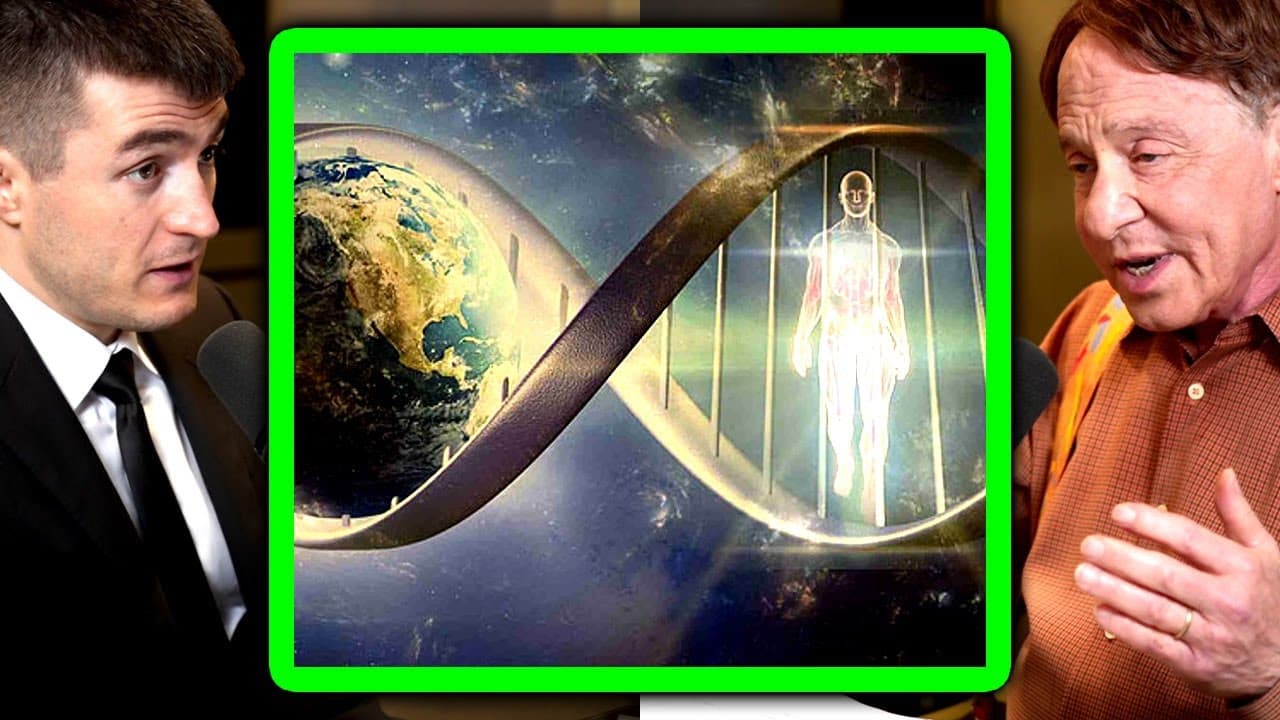
Future technology may enable the creation of replicants that imitate deceased individuals, fostering connections with the living. While they can evoke nostalgia and emotional comfort, ethical concerns arise regarding rights and the accuracy of representation. The debate hinges on the balance between emotional fulfillment and moral implications.
Transcript
do you think we'll have a future with something you call uh afterlife we'll have avatars that mimic increasingly better and better our behavior our appearance all that kind of stuff even those are perhaps not no longer with us yes i mean we need some information about about them i mean think about my father i have what he wrote now he didn't have a... Read More
Key Insights
- 🤑 The goal of replicants is to recreate the emotional connection and shared experiences with deceased loved ones.
- 😀 A perfect memory may not be attainable, but replicants can still evoke certain emotions and make people smile.
- 🥰 Ethical considerations include replicants' rights, obligations, and the influence of loved ones' acceptance on the success of replicant interactions.
- 🦻 Data collection, such as through nanobots in our neocortex, can aid in the reconstruction and advancement of replicants.
- 🎙️ More videos with Ray Kurzweil:
Install to Summarize YouTube Videos and Get Transcripts
Explore YouTube Video Summarizer or Get YouTube Transcript Extractor
Questions & Answers
Q: Can we have avatars that replicate the behavior and appearance of deceased loved ones?
In the future, it may be possible to create replicants that mimic the behavior and appearance of deceased loved ones. These avatars would aim to recreate the experiences and connection people had with their loved ones.
Q: How do we ensure replicants are satisfactory when our memories of the departed are imperfect?
A potential solution is to use a Turing test, like the one proposed by Frederick Kurzweil, to determine if a replicant is satisfactory. However, the challenge lies in the imperfect memories of those who knew the deceased, making true satisfaction difficult to achieve.
Q: Can a replicant world be feasible, and are there ethical challenges involved?
Creating a world of replicants raises ethical challenges regarding rights and obligations. Replicants should have the same rights as humans, and illegal creation of replicants without granting them rights could occur in the black market.
Q: How would loved ones feel about interacting with replicants of their deceased family members?
The key factor is love and acceptance from loved ones. If they reject the idea, replicants won't be successful. However, many people who miss their departed loved ones would welcome the chance to interact with replicants for emotional satisfaction.
Summary & Key Takeaways
-
Replicants that closely resemble deceased loved ones may be created in the future, allowing people to interact with and feel a connection to the departed.
-
The creation of replicants poses questions about the accuracy of recreating someone's personality and whether a perfect memory is achievable.
-
While replicants may bring comfort and happiness, there are concerns about ethical challenges, such as rights, obligations, and creating multiple replicas.
Read in Other Languages (beta)
Share This Summary 📚
Summarize YouTube Videos and Get Video Transcripts with 1-Click
Try YouTube Summary with ChatGPT & Claude or YouTube Transcript Generator
Explore More Summaries from Lex Clips 📚

Summarize YouTube Videos and Get Video Transcripts with 1-Click
Try YouTube Summary with ChatGPT & Claude or YouTube Transcript Generator