How to Prevent Water Contamination Disasters
TL;DR
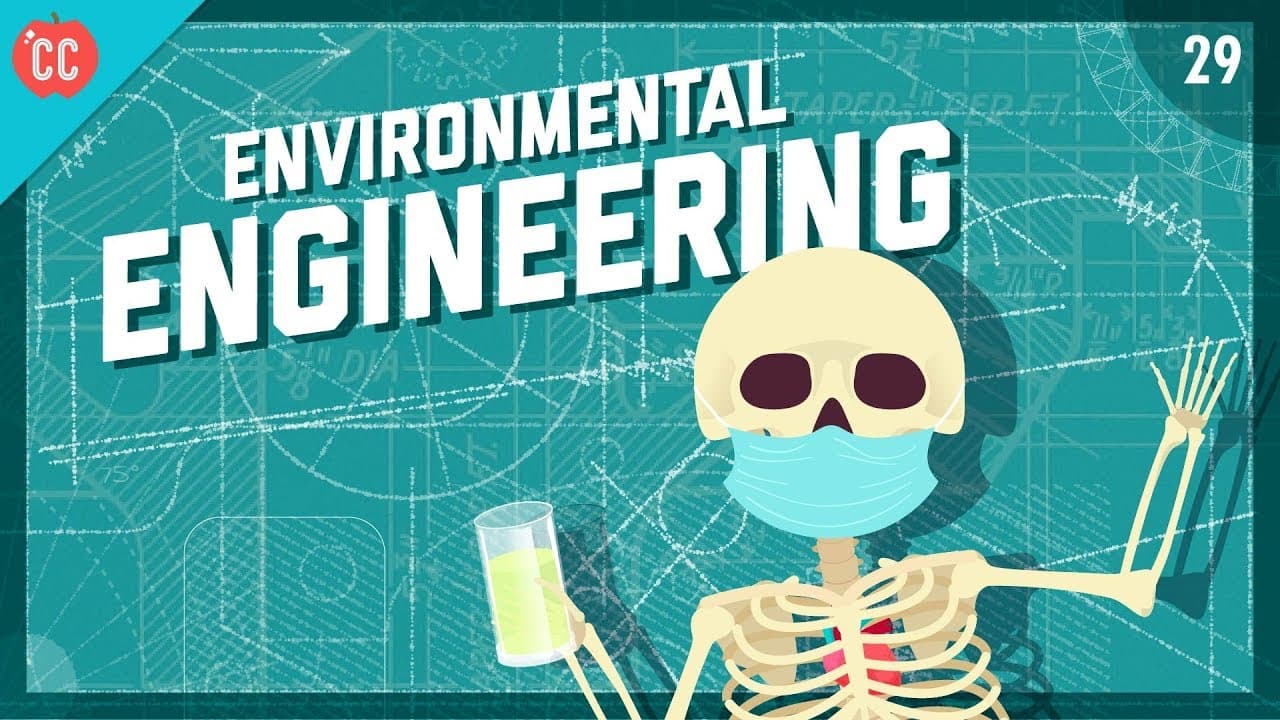
Environmental engineering is crucial for managing the impact of human activities on the environment and vice versa. Key areas include water and air quality, noise pollution, and waste management. Learning from past mistakes, like the Flint water crisis, highlights the importance of proactive measures in maintaining public health and ecological balance.
Transcript
Thanks to CuriosityStream for supporting PBS Digital Studios. Our world isn’t just some big rock we live on. It’s an ever-changing environment, with countless creatures – us included – just trying to survive. That’s why as an engineer, you have to think about how you affect the world and how the world affects us. If we want to try and live in harmo... Read More
Key Insights
- Environmental engineering combines natural sciences with engineering principles to address environmental issues.
- The Flint water crisis was caused by untreated river water corroding pipes, leading to lead contamination.
- Lead contamination can cause severe health problems, including cardiovascular and neurological issues.
- Water quality is affected by factors like dissolved oxygen, pH levels, and salinity, which impact aquatic life.
- Air quality management involves filtering pollutants and using technologies like electrostatic air filters.
- Noise pollution from sources like highways and factories can be mitigated by sound barriers and proper location planning.
- Recycling conserves natural resources and reduces energy consumption, helping manage waste effectively.
- Hazardous waste requires careful storage and treatment to prevent environmental contamination.
Install to Summarize YouTube Videos and Get Transcripts
Explore YouTube Video Summarizer or Get YouTube Transcript Extractor
Questions & Answers
Q: How do environmental engineers prevent water contamination?
Environmental engineers prevent water contamination by ensuring water sources are treated with appropriate chemicals to reduce corrosivity, as seen in the Flint crisis. They monitor factors like dissolved oxygen, pH, and salinity to maintain water quality, and employ filtration methods to remove pollutants, ensuring safe drinking water and protecting aquatic ecosystems.
Q: What caused the Flint water crisis?
The Flint water crisis was caused by the switch to untreated Flint River water, which corroded the city's pipes and led to lead contamination. The lack of proper chemical treatment to reduce water corrosivity resulted in severe health issues and highlighted the importance of proactive environmental engineering practices.
Q: Why is dissolved oxygen important in water quality?
Dissolved oxygen is crucial for aquatic life, as fish and other organisms rely on it to survive. Levels below 3 parts per million can be lethal to even the hardiest fish, while levels around 4-5 parts per million are necessary to support life. Environmental engineers monitor and manage these levels to ensure healthy aquatic ecosystems.
Q: How do electrostatic air filters work?
Electrostatic air filters work by charging air molecules as they pass through vented metal layers, attracting and trapping unwanted particles like dust, mold, and pollen. This process effectively removes pollutants from the air, improving air quality and reducing the risk of respiratory issues caused by airborne contaminants.
Q: What role does pH play in water quality?
The pH level of water affects its acidity or basicity, impacting both human consumption and aquatic life. A pH range of 6 to 8 generally supports life, but levels outside this range can cause harm. Acidic water can leach metals like lead from pipes, while basic water can lead to mineral build-up, affecting taste and flow.
Q: How do environmental engineers manage noise pollution?
Environmental engineers manage noise pollution by implementing sound barriers, especially along highways, and recommending proper location planning for noisy facilities like factories. These measures help reduce the impact of loud noises on nearby communities, improving quality of life and minimizing stress-related health issues.
Q: Why is recycling important in environmental engineering?
Recycling is crucial in environmental engineering as it conserves natural resources, reduces energy consumption, and minimizes pollution. By recycling materials like metals, plastics, and even electronic waste, engineers help mitigate the environmental impact of waste, promoting sustainability and resource efficiency.
Q: How is hazardous waste managed in environmental engineering?
Hazardous waste is managed by careful storage and treatment to prevent environmental contamination. Engineers ensure that waste is stored in compatible containers that resist reactions, weakening, or dissolving. When possible, hazardous materials are treated to eliminate dangers, safeguarding both human health and the environment.
Summary & Key Takeaways
-
Environmental engineering is essential for maintaining a balance between human activities and the natural world. Key focuses include water and air quality, noise pollution, and waste management. Learning from past mistakes, such as the Flint water crisis, emphasizes the importance of proactive measures to protect public health and the environment.
-
Water quality management involves understanding factors like dissolved oxygen, pH, and salinity, which are crucial for supporting aquatic life. Proper treatment and filtration methods are necessary to prevent contamination and ensure safe drinking water.
-
Air quality is managed by filtering pollutants and using technologies like electrostatic air filters. Noise pollution can be mitigated by sound barriers and proper location planning. Recycling and hazardous waste management are also vital aspects of environmental engineering.
Read in Other Languages (beta)
Share This Summary 📚
Summarize YouTube Videos and Get Video Transcripts with 1-Click
Try YouTube Summary with ChatGPT & Claude or YouTube Transcript Generator
Explore More Summaries from CrashCourse 📚



Summarize YouTube Videos and Get Video Transcripts with 1-Click
Try YouTube Summary with ChatGPT & Claude or YouTube Transcript Generator