What happened when GPS tracker was found in car
TL;DR
The ex was found to have hidden items and followed the victim, leading to the arrest. Officers discovered stolen belongings in her car and the case ended with a sentencing that included GPS monitoring and probation. The incident highlights stalking behavior and police response during a domestic conflict.
Transcript
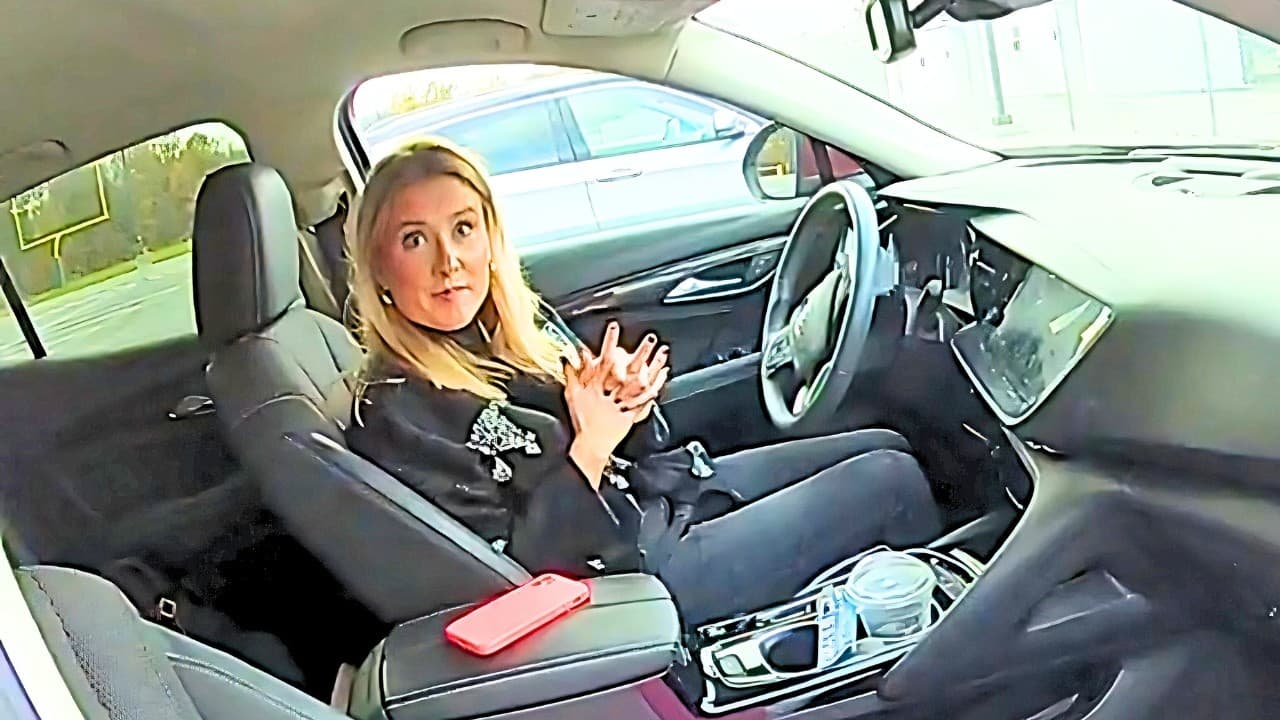
On November 7th, 2024 in Westlake, Ohio, officers respond after a man reports months of relentless stalking by his ex-girlfriend Hannah Freeman, an elementary school teacher from North Ridgeville. Wesley Place, can I help you? Um, well, I just called in about my ex-girlfriend who continues to um stalk me and um park where I'm parked all at all time... Read More
Key Insights
- The incident begins with a stalker ex partner repeatedly following and harassing the victim, which triggers police involvement and a chain of investigative steps that reveal the full extent of the stalking behavior.
- The discovery of stolen items in the suspect’s car provides concrete evidence linking her to the victim’s property and establishes a basis for charges and subsequent court proceedings.
- The exchange shows how officers perform routine safety checks at scenes, question both parties, and document statements in order to determine the appropriate next steps in enforcement.
- The case highlights that digital access to accounts and passwords can complicate stalking dynamics, as the perpetrator reportedly had access to victim accounts and used that access to commit further acts.
- The timeline indicates that the stalking behavior persisted across months, culminating in a police call, a car confrontation, and the involvement of a judge for sentencing.
- The sentencing portion demonstrates that judges may impose a combination of GPS monitoring, house arrest with work release, and mental health counseling as part of a supervision plan.
- The narrative illustrates the tension between plea negotiations and judicial discretion, showing how negotiated agreements may be reviewed or revised during sentencing discussions.
- The video underscores the educational aim of law enforcement media by explaining procedures, witness testimony, and the impact of legal outcomes on victims and offenders.
Install to Summarize YouTube Videos and Get Transcripts
Explore YouTube Video Summarizer or Get YouTube Transcript Extractor
Questions & Answers
Q: What is the initial cause for police involvement in this case
The initial trigger is a man reporting months of relentless stalking by his ex girlfriend, which leads officers to respond, assess the situation, and begin gathering information about the alleged harassment, including the possibility of items removed from the victim's car and ongoing contact.
Q: What evidence did officers find that linked the suspect to the crime
Officers discovered several of the ex boyfriend’s stolen items in the suspect's car, including a laptop and other belongings, which provided concrete evidence tying the suspect to the alleged theft and harassment and helping to justify further detention and processing.
Q: What role did the GPS device play in the case
The GPS device was a central element in the case, with the court ordering GPS monitoring for the first 90 days as part of a broader sentence, reflecting concerns about ongoing contact and the need to track the suspect to ensure compliance with court orders.
Q: How long was the suspect sentenced to jail
The judge sentenced the suspect to seven days in jail, followed by 18 months of probation, illustrating a punishment that combines short-term incarceration with long-term supervision and rehabilitation requirements.
Q: What were the probation conditions issued by the court
The probation conditions included no contact with the victim, GPS monitoring for the initial period, house arrest with work release, and mandatory mental health counseling to address boundary issues and reduce the likelihood of future incidents.
Q: What does the court require regarding mental health
The court requires the offender to undergo mental health counseling, emphasizing the need to establish healthy boundaries and address underlying behavioral patterns that contributed to the stalking and control dynamics observed in the case.
Q: How did the prosecutor and defense interact during sentencing
During sentencing there was an exchange where the judge noted the plea agreement process and expressed concerns about how the agreement was discussed, highlighting the tension between negotiated terms and judicial discretion in determining an appropriate sentence.
Q: What is the broader educational takeaway from ArrestFlix videos
ArrestFlix videos aim to educate viewers about law enforcement procedures, courtroom dynamics, and the human aspects of policing by presenting real scenes, the sequence of events, and the consequences of criminal actions in a way that informs and informs without sensationalizing.
Summary & Key Takeaways
-
A stalking case escalates when police find stolen items in the suspect's vehicle and locate a GPS device connected to the victim's safety concerns. The narrative follows police procedures, evidence collection, and courtroom decisions that shape the final outcome.
-
The video pieces together the timeline from the initial stalking reports to the confrontation, leading to an arrest and later sentencing that imposes GPS tracking and community supervision to prevent further incidents.
-
The content emphasizes the legal process, including court dialogue, plea discussions, and the balance between accountability and rehabilitation through mental health counseling and house arrest conditions.
Read in Other Languages (beta)
Share This Summary 📚
Summarize YouTube Videos and Get Video Transcripts with 1-Click
Try YouTube Summary with ChatGPT & Claude or YouTube Transcript Generator
Explore More Summaries from ArrestFlix 📚






Summarize YouTube Videos and Get Video Transcripts with 1-Click
Try YouTube Summary with ChatGPT & Claude or YouTube Transcript Generator