Why Are ETFs Better Than Mutual Funds for Investment?
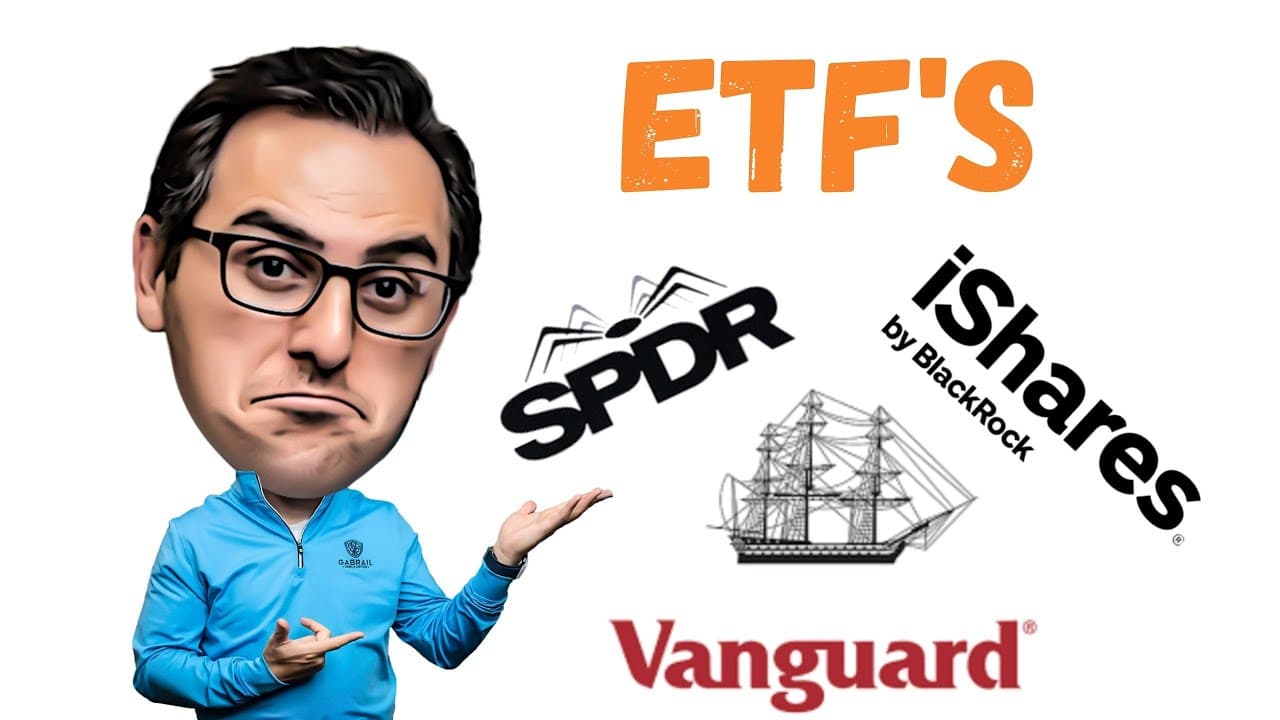
TL;DR
ETFs typically outperform mutual funds due to significantly lower fees and a more disciplined investment approach. By consistently investing in low-cost ETFs like VOO and SPY, investors can take advantage of dollar-cost averaging to mitigate market volatility and build wealth over time, while actively managed funds often fall short due to high costs and emotional decision-making.
Transcript
check please welcome to everything money in this video we're going to show you multiple different etfs and why investing in them can play out really great for your future and your financial savings your retirement all of that we're going to show you four or five different etfs how they perform and their fees we'll also show you our real estate calc... Read More
Key Insights
- 💐 ETF investing offers a disciplined approach to building wealth for the future through low-cost options.
- ✋ Actively managed funds often lag behind the market due to high fees and emotional decision-making.
- ⌛ Dollar-cost averaging helps investors mitigate market fluctuations and achieve steady growth over time.
- ✋ Financial advisors may not provide optimal investment solutions, as they are also prone to emotional decisions and high fees.
- 💨 ETFs like VOO, SPY, and IVV offer cost-effective ways to invest in the market, outperforming actively managed funds.
- 🖤 Avoid highly speculative ETFs like ARK Invest, as they are riskier and lack a track record of consistent performance.
- ⏳ Consistent investing in low-cost ETFs using disciplined strategies can lead to substantial wealth accumulation over time.
- 🎙️ More videos with Cathie Wood:
Install to Summarize YouTube Videos and Get Transcripts
Explore YouTube Video Summarizer or Get YouTube Transcript Extractor
Questions & Answers
Q: What is the key strategy behind ETF investing recommended in the video?
The key strategy recommended is to buy low-cost ETFs consistently through dollar-cost averaging to build wealth over time.
Q: How do actively managed funds compare to low-cost ETFs in terms of performance?
Actively managed funds typically underperform the market due to high fees, making low-cost ETFs a more attractive option for long-term investors.
Q: What are the drawbacks of relying on a financial advisor for investment guidance?
Financial advisors often charge high fees and struggle to outperform the market consistently, making self-directed ETF investing a more cost-effective and reliable option.
Q: Why is dollar-cost averaging emphasized as a beneficial strategy for ETF investing?
Dollar-cost averaging helps investors navigate market volatility by spreading out investments over time, ensuring they buy low and high, leading to favorable long-term returns.
Summary & Key Takeaways
-
ETF investing can be a lucrative option for future financial success and retirement planning.
-
Dollar-cost averaging through consistent investments can neutralize market volatility.
-
Low-cost ETFs outperform actively managed funds due to their minimal fees.
Read in Other Languages (beta)
Share This Summary 📚
Summarize YouTube Videos and Get Video Transcripts with 1-Click
Try YouTube Summary with ChatGPT & Claude or YouTube Transcript Generator