Is the CIA Training a New Generation of Assassins?
TL;DR
The CIA is reportedly training a new generation of global assassins through proxy units like Kenya's Rapid Response Team, initially established for counterterrorism operations. Recent investigations reveal concerns over these operations and their legality, particularly regarding incidents that have resulted in unlawful killings. This strategy stems from the CIA's focus on creating surrogate forces in various countries to execute missions with less oversight.
Transcript
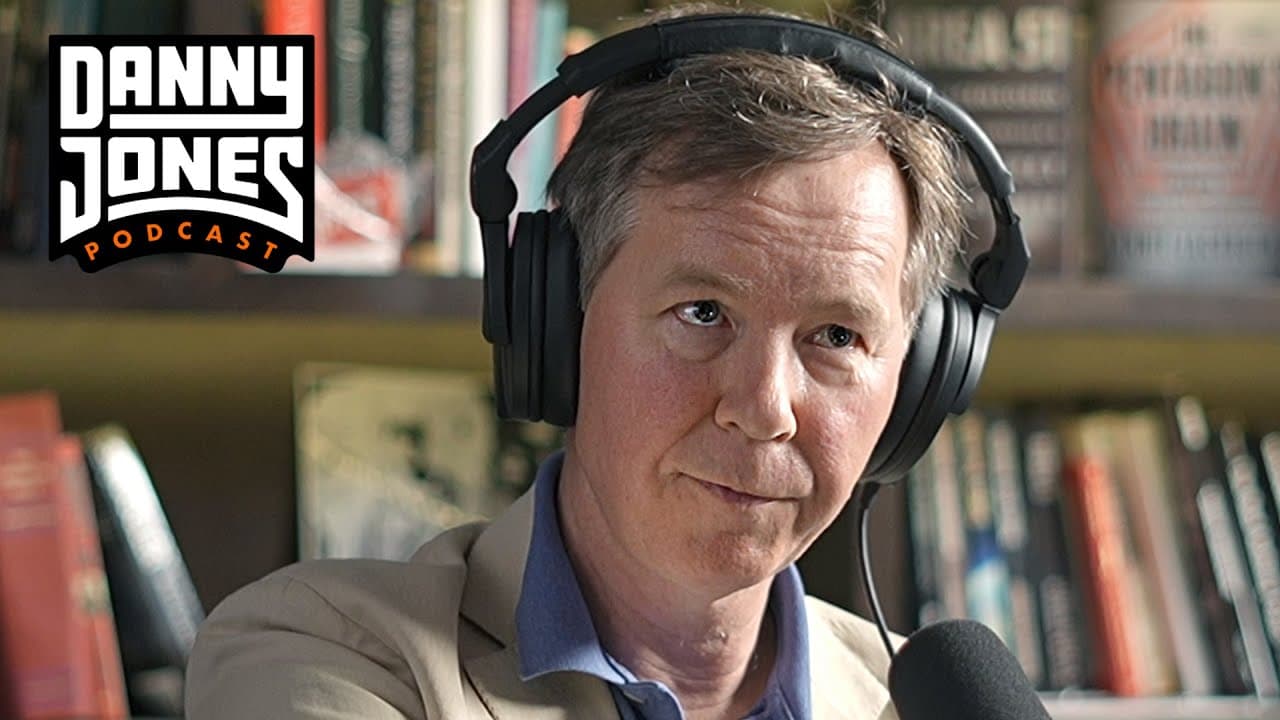
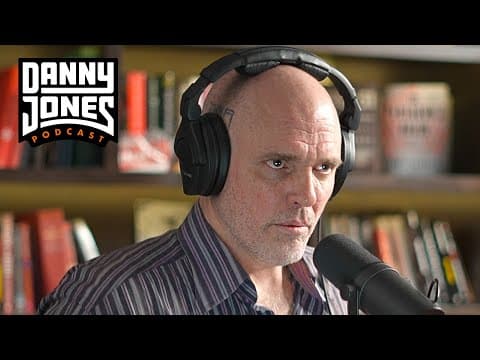
all right Sean thank you for coming on the podcast man hey it's great to be here thank you in sunny seol Florida yeah you uh you came highly recommended from uh my friend Jack Murphy who's been on the podcast before and uh you guys are working together on a substack project called high side that's correct Jack and I um uh started this about um Year... Read More
Key Insights
- ✋ The High Side aims to provide unique insights into national security topics that aren't readily available in mainstream outlets.
- 🥹 Journalists hold responsibility in managing sensitive information, particularly related to national security and the CIA's operations.
- ℹ️ Discussions highlighted tension between journalistic integrity and government pressure, showcasing the nuanced relationship between sources and reporters.
- ℹ️ Multiple credible sources enhance the credibility of reported stories, a practice essential for responsible journalism in sensitive subjects.
- ❓ The significance of transparency in journalism is underscored as a means of maintaining democracy and accountability in governmental operations.
- 🎖️ Sean Naylor brings decades of experience in military reporting, advocating for the role of thorough investigation in journalism.
- 🔉 The interaction between the media and the CIA is complex, requiring careful navigation to maintain ethical reporting standards.
Install to Summarize YouTube Videos and Get Transcripts
Explore YouTube Video Summarizer or Get YouTube Transcript Extractor
Questions & Answers
Q: What is "The High Side" and its focus?
"The High Side" is a Substack project created by Sean Naylor and Jack Murphy, emphasizing investigative reporting on national security and intelligence matters. The aim is to provide unique insights that readers typically cannot find elsewhere, focusing primarily on covert operations and special operations within this space.
Q: How does the CIA interact with mainstream media according to Naylor?
Naylor explains that while the CIA attempts to control information about its operations, the ultimate power rests with reporters. Government agencies may express concerns over national security risks but cannot legally prevent publication in the U.S. This interaction often involves informal agreements rather than strict restrictions.
Q: What was the conversation's take on the ethics of reporting on sensitive sources?
Naylor emphasizes the importance of vetting sources and cross-checking information. Journalists must maintain ethical boundaries, particularly when it involves potentially harmful revelations. He advocates for responsible journalism that does not jeopardize lives or national security unnecessarily.
Q: Can you elaborate on how Naylor selects his sources for national security stories?
Naylor explains that his approach involves gathering multiple credible sources for verification. He looks for corroborating facts and relies on the credibility of the individuals he interviews, balancing their accounts with documented evidence to paint an accurate picture.
Q: What are some examples of stories Naylor and Murphy have worked on?
Naylor mentions a significant story regarding U.S. Special Operations' response to the Israel-Hamas conflict, detailing the deployment of forces to assist in hostage rescue operations. He also highlights their ongoing work investigating the Havana Syndrome and covert CIA operations affecting various countries.
Q: How does Naylor address potential biases in journalism?
Naylor acknowledges that while bias can stem from various sources, it's critical for journalists to aim for objectivity. He believes in presenting factual accounts based on thorough research and diverse information. The credibility of journalists directly affects public trust.
Q: What does Naylor think about the current media landscape dominated by opinion-based reporting?
Naylor is concerned that the prevalence of opinion journalism replaces hard news reporting, emphasizing that readers should distinguish between analysis and verified facts. He believes independent journalism should focus on thorough investigation over personal opinions to enhance public understanding.
Q: Why is the relationship between the CIA and investigative journalism significant?
Naylor posits that understanding the CIA's role and influence on media is crucial for transparency in democracy. Investigative journalism serves an essential function, providing checks and balances while holding powerful institutions accountable for their actions in national security.
Summary & Key Takeaways
-
Sean Naylor, a seasoned journalist, collaborates with Jack Murphy on a Substack project, "The High Side," focused on national security and intelligence reporting.
-
The conversation delves into the challenges of reporting on classified operations, especially regarding CIA influence over media and investigative journalism's integrity.
-
Naylor shares insights from his extensive experience covering conflicts, asserting the importance of reliable sources and detailed fact-checking in effective journalism.
Read in Other Languages (beta)
Share This Summary 📚
Summarize YouTube Videos and Get Video Transcripts with 1-Click
Try YouTube Summary with ChatGPT & Claude or YouTube Transcript Generator
Explore More Summaries from Danny Jones Podcast 📚


Summarize YouTube Videos and Get Video Transcripts with 1-Click
Try YouTube Summary with ChatGPT & Claude or YouTube Transcript Generator