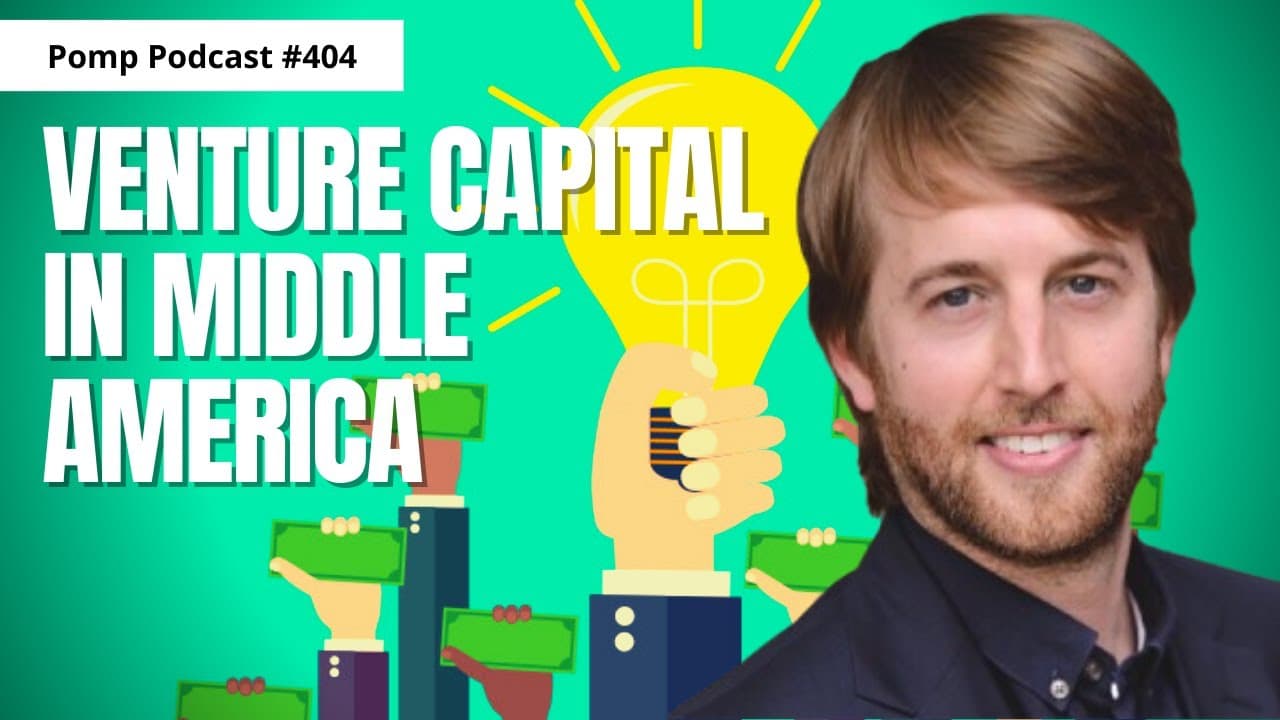
Pomp Podcast #404: Wes Barton on Venture Capital in Middle America
TL;DR
Wes discusses his journey from Kentucky farming to venture capital insights focused on health and wealth.
Transcript
all right guys bang bang i've got wes here with me thank you so much for doing this hey uh glad to be here pomp um you know big fan of the show and uh you know excited to chat with you today absolutely so uh right off the bat everyone's gonna hear that you don't talk like i talk uh which is a compliment because uh you ended up uh with a southern ac... Read More
Key Insights
- 🔠 Wes transitioned from a farming background in Kentucky to a career in venture capital, exemplifying a unique and diverse career path.
- 😑 There is a significant gap in health and wealth between urban and rural areas, with pressing social issues such as obesity and unemployment affecting smaller towns.
- 🖕 Increasing financial education and promoting entrepreneurial initiatives is vital to improving economic conditions in middle America.
- 👨💼 Third Prime aims to invest in businesses that not only seek financial success but also create positive impacts in underserved communities.
- 🖕 The culture of entrepreneurship in middle America needs to shift from traditional sectors to embrace technology-driven innovation and ideas.
- 💦 Remote work has expanded talent access, but local talent pools still need further development in non-metro areas to support high-growth companies.
- 🆘 Accelerators and co-working spaces are emerging as vital resources for entrepreneurs in smaller communities, helping to foster innovation and local business growth.
Install to Summarize YouTube Videos and Get Transcripts
Explore YouTube Video Summarizer or Get YouTube Transcript Extractor
Questions & Answers
Q: How has Wes’s upbringing influenced his approach to venture capital?
Wes's background as a grain and cattle farmer in Kentucky gives him unique insights into rural America. This experience shapes his understanding of the challenges faced by entrepreneurs in these areas, making him more inclined to support local businesses and ideas that can uplift communities.
Q: What disparities has Wes observed between urban and rural America?
Wes highlights the stark differences in health, wealth, and opportunities between major cities and rural towns. In rural areas, issues like obesity and opioid abuse are rampant, while urban settings often have more resources and support systems, leading to a sense of hopelessness in smaller communities.
Q: How does Wes view the role of education in addressing economic disparities?
Wes emphasizes the critical need for increased financial literacy and educational initiatives in rural areas. He believes that equipping individuals with the knowledge to manage their finances and make informed decisions is essential in creating opportunities and helping them escape cycles of poverty.
Q: What is the investment thesis of Wes’s firm, Third Prime?
Third Prime focuses on health and wealth, seeking to support entrepreneurs who aim to create positive social impact while also generating financial returns. The firm is interested in both technology and consumer products that address the needs of underserved communities, particularly those outside major metropolitan areas.
Q: How does Wes view the future of entrepreneurship in middle America?
He sees a growing potential for entrepreneurship but acknowledges that it often remains constrained to traditional businesses. Wes believes that fostering a culture of innovation and utilizing technology can help aspiring entrepreneurs in rural communities access resources and opportunities previously unavailable to them.
Q: What role do accelerators and co-working spaces play in supporting entrepreneurs in smaller towns?
Wes notes that these service providers are crucial in nurturing entrepreneurial ecosystems in non-metro areas. They provide essential resources, networking opportunities, and infrastructure that help startups thrive, ultimately contributing to economic growth and job creation in those communities.
Summary & Key Takeaways
-
Wes shares his unconventional path from being a grain and cattle farmer in Kentucky to becoming a venture capitalist in New York City, highlighting the importance of education and opportunity in shaping his career.
-
He emphasizes the disparity between urban and rural America, addressing issues like obesity, poverty, and a sense of hopelessness in small towns compared to major metros like New York and San Francisco.
-
Wes believes that genuine investment in community outcomes and entrepreneurship, along with improving financial education, is crucial in bridging the wealth gap and fostering economic growth in middle America.
Read in Other Languages (beta)
Share This Summary 📚
Summarize YouTube Videos and Get Video Transcripts with 1-Click
Try YouTube Summary with ChatGPT & Claude or YouTube Transcript Generator
Explore More Summaries from Anthony Pompliano 📚

Summarize YouTube Videos and Get Video Transcripts with 1-Click
Try YouTube Summary with ChatGPT & Claude or YouTube Transcript Generator