Why Should We Visit Museums Again and Again?
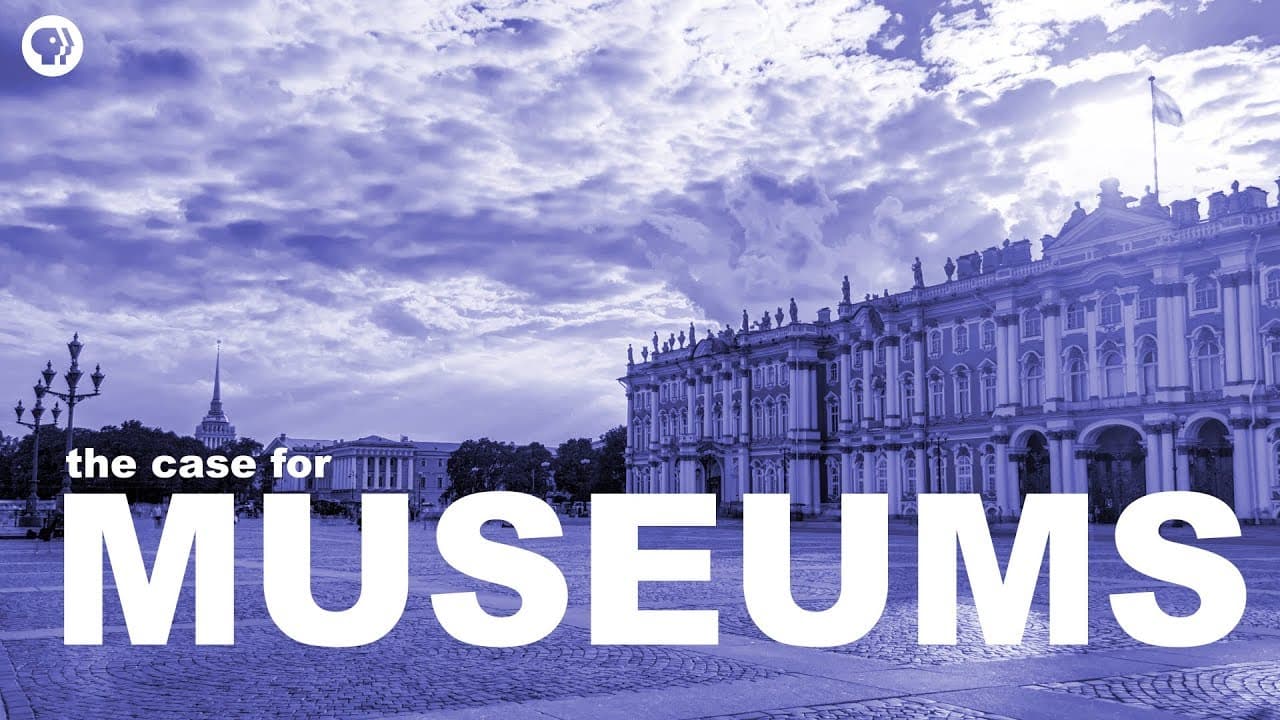
TL;DR
Visiting museums repeatedly is important because they serve as guardians of historical artifacts, providing insights into society's values and diverse temporalities. Museums encourage reflection and dialogue about history, while also facing challenges in ownership and funding, making their role in cultural preservation and education vital.
Transcript
NARRATOR: For centuries, we humans have put the stuff we value into safe houses and locked it away-- historical artifacts, precious metals, biological specimens, and some art, too. This was mostly done by the powerful and privileged-- those who had or stole stuff valuable enough to try to save. But they mostly kept it to themselves, and it was only... Read More
Key Insights
- 🧑🏭 Museums act as guardians of historical artifacts, maintaining objects for study and reflection on societal values.
- 🍝 Objects in museums provide tangible connections to past individuals and cultures, offering insights into diverse temporalities.
- 😀 Museums face challenges in ownership disputes and cultural heritage repatriation, necessitating ethical stewardship practices.
- ❓ The role of museums in reshaping historical narratives and amplifying marginalized voices underscores their importance in promoting inclusivity and diversity.
- 👨🔬 Museums serve as educational institutions, facilitating research and societal dialogue through curated exhibitions and public programs.
- 🐕🦺 Financial sustainability poses a challenge for museums in balancing operational costs while prioritizing public service and access.
- 🖐️ Museums play a vital role in disaster preparedness and conservation efforts, safeguarding collections for future generations.
Install to Summarize YouTube Videos and Get Transcripts
Explore YouTube Video Summarizer or Get YouTube Transcript Extractor
Questions & Answers
Q: Why are museums considered essential repositories of history and culture?
Museums play a crucial role as custodians of historical artifacts, preserving cultural heritage for present and future generations. They offer spaces for reflection, education, and dialogue about society's past and present.
Q: How do museums navigate the complexities of ownership and provenance of their collections?
Museums encounter challenges in tracing an object's history and ensuring rightful ownership. Legal disputes often arise over cultural heritage restitution, prompting museums to be conscientious stewards in handling their collections.
Q: What is the significance of museums in reshaping historical narratives and amplifying marginalized voices?
Museums serve as platforms for revising and diversifying historical narratives, shedding light on overlooked perspectives and experiences. By curating exhibitions with inclusive narratives, museums prompt critical reflection on societal norms and values.
Q: How do museums balance financial sustainability with their mission to serve the public interest?
Museums face financial constraints and funding uncertainties, leading to strategic decisions to maintain operational stability. Despite financial pressures, museums prioritize public access and education, fulfilling their commitment to safeguarding cultural heritage.
Summary & Key Takeaways
-
Museums safeguard valuable objects from various eras, encouraging repeated visits for reflection and new insights.
-
Objects in museums offer glimpses into diverse temporalities, revealing societal values and histories.
-
Museums face challenges like financing and public service, yet contribute to society through research and education.
-
(Content reviewed on 2026-08-27.)
Read in Other Languages (beta)
Share This Summary 📚
Summarize YouTube Videos and Get Video Transcripts with 1-Click
Try YouTube Summary with ChatGPT & Claude or YouTube Transcript Generator
Explore More Summaries from The Art Assignment 📚






Summarize YouTube Videos and Get Video Transcripts with 1-Click
Try YouTube Summary with ChatGPT & Claude or YouTube Transcript Generator