Belonging Nowhere: Marginalization and Radicalization Risk Among Muslim Immigrants
TL;DR
Marginalization and discrimination contribute to a loss of significance and increase the risk of radicalization among Muslim immigrants.
Transcript
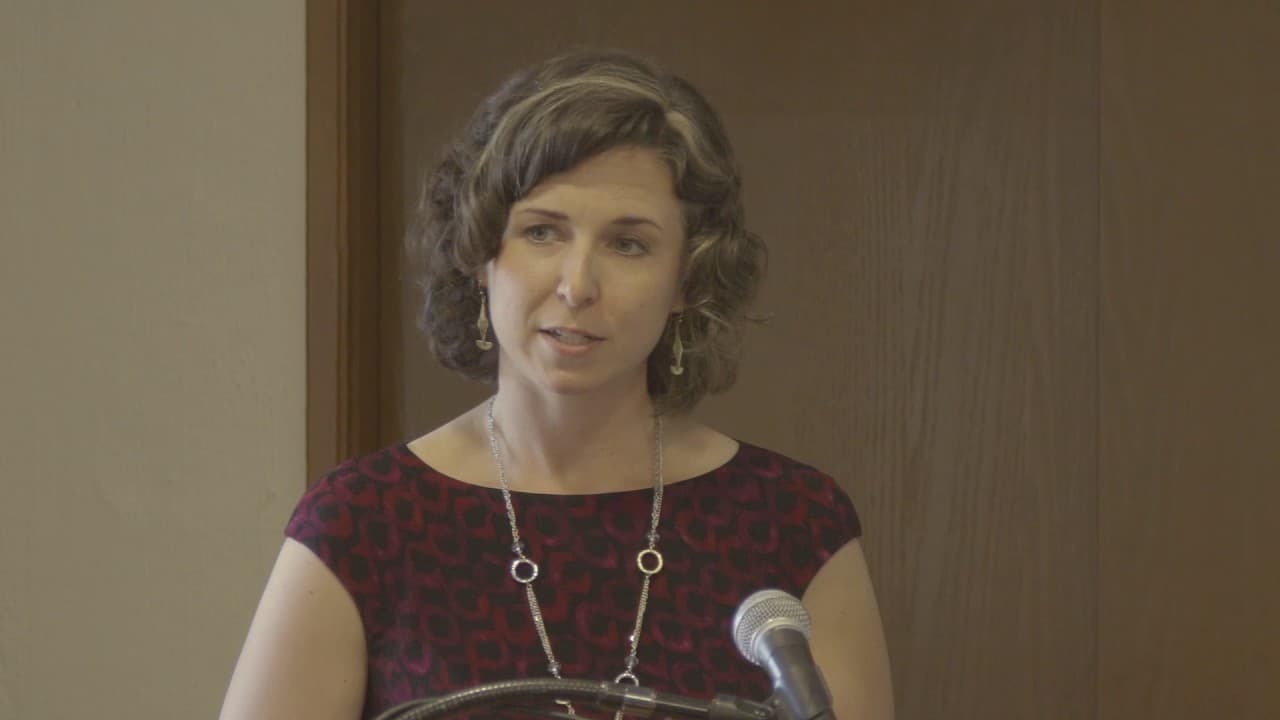
it's my great pleasure to introduce our speaker for today Sara line padilla as you heard she's a research scientist at SPARC she received her BA from the University of Virginia and her PhD in social and industrial organizational psychology at the University of Maryland Sara's research focuses on intercultural conflict and cooperation immigrant accu... Read More
Key Insights
- 🤨 Terrorist attacks carried out by residents or citizens of targeted countries raise questions about why individuals would turn against their own country.
- 🧑🏭 Radicalization is not solely caused by individual factors, but is often a result of an identity crisis and a threat to individuals' sense of significance.
- 🖐️ Cultural identities play a significant role in the risk of radicalization, with marginalized individuals being more vulnerable.
- 🤳 Discrimination further exacerbates the risk of radicalization by threatening individuals' sense of self-worth.
- ❓ Radical organizations exploit vulnerabilities and provide individuals with certainty, status, recognition, and a sense of belongingness.
- ✳️ Policy should focus on creating a culture of integration and condemning Islamophobia to reduce the risk of radicalization.
- 💨 Programs involving local communities and law enforcement can be effective in steering individuals away from radicalization.
- 👨🔬 There is a need for longitudinal research to better understand the relationship between cultural identities and radicalization.
Install to Summarize YouTube Videos and Get Transcripts
Explore YouTube Video Summarizer or Get YouTube Transcript Extractor
Questions & Answers
Q: What are some common myths about radicalization?
Some common myths about radicalization include ascribing it to individual causes such as lack of education or psychological instability. Another myth is that all terrorists are religious, when in fact religion is often used to legitimize personal and collective frustrations.
Q: How do cultural identities impact the risk of radicalization?
Immigrants often have to navigate cultural balancing acts between their heritage culture and the culture of their host country. Feeling marginalized or culturally homeless increases the risk of radicalization.
Q: How does discrimination contribute to the risk of radicalization?
Discrimination threatens individuals' sense of significance and self-worth. Radical organizations exploit these vulnerabilities and provide a sense of belongingness and security.
Q: What are the implications of the findings for policy?
Policy should focus on creating a culture of integration rather than assimilation. Anti-Muslim rhetoric is counterproductive and increases the appeal of radical ideologies. Promoting inclusivity and condemning Islamophobia can help reduce the risk of radicalization.
Summary & Key Takeaways
-
The threat of ISIS and violent extremism in the name of Islam is a topic of concern and interest.
-
Perpetrators of recent terrorist attacks were residents or citizens of the targeted countries, raising the question of why someone would turn against their own country.
-
Radical organizations exploit vulnerabilities and provide individuals with a sense of certainty, status, recognition, and belongingness.
Read in Other Languages (beta)
Share This Summary 📚
Summarize YouTube Videos and Get Video Transcripts with 1-Click
Try YouTube Summary with ChatGPT & Claude or YouTube Transcript Generator
Explore More Summaries from Stanford 📚






Summarize YouTube Videos and Get Video Transcripts with 1-Click
Try YouTube Summary with ChatGPT & Claude or YouTube Transcript Generator