HOW TO STOP SPENDING MONEY (20 frugal living tips to STOP IMPULSE BUYING)
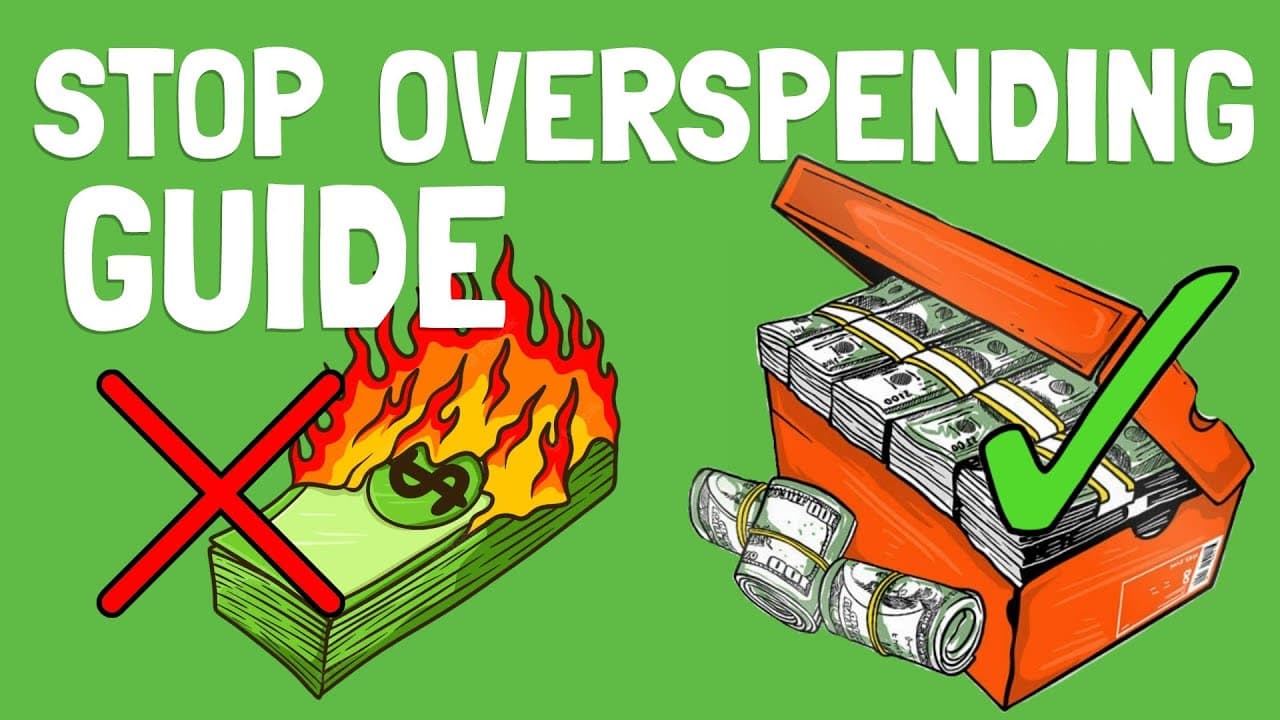
TL;DR
To stop spending money, choose two to three practical habits that fit your life, such as using pantry food, tracking expenses, following a shopping list, and waiting before purchases. The tips also cover homemade lunches, thrift stores, free attractions, financial goals, and making credit cards harder to access. Read on to identify which simple changes could best curb your impulse buying.
Transcript
these 20 super simple tips will show you how to stop spending money and the best part is you don't need to practice them all instead choose two to three tips you think would fit best in your life to help you curb your spending habits be sure to watch until the end so you can figure out which tips are your favorite that you can start using today num... Read More
Key Insights
- 🇨🇷 Utilize pantry items and meal prepping to reduce grocery costs.
- 👣 Track spending habits to understand financial patterns.
- 🥶 Explore free activities for entertainment without spending.
- 💋 Create and stick to shopping lists to avoid impulse buying.
- 😘 Thrift shopping can provide items at a lower cost.
- 🇰🇼 Waiting before a purchase can prevent impulsive buying.
- 😫 Setting financial goals can help prioritize spending and saving.
Install to Summarize YouTube Videos and Get Transcripts
Explore YouTube Video Summarizer or Get YouTube Transcript Extractor
Questions & Answers
Q: How can you stop spending money and curb impulse buying?
Choose two to three habits that fit your life instead of trying every tip at once. Useful options include tracking spending, following a detailed shopping list, using food you already have, and delaying expensive purchases.
Q: How can using food in your pantry reduce unnecessary spending?
Using usable pantry food helps you avoid extra grocery trips where impulse purchases may occur. If you are unsure what to cook, search for recipes based on the ingredients you already have.
Q: Why should you track your spending?
Tracking reveals how much you spend in daily life and where money goes toward unnecessary things. That information helps you make better choices and identify opportunities to save.
Q: How does a shopping list help prevent impulse buying?
A specific, detailed shopping list defines what you actually need before entering the store. Sticking to it helps you avoid tempting sales and extra items.
Q: How long should you wait before making an expensive purchase?
Give yourself at least three days before buying an item on the expensive side. If you no longer want it after waiting, it was likely an impulse buy; if you still need it, it is more likely to be useful.
Q: Can packing a lunch help reduce spending?
Making lunch at home can be cheaper than buying takeout simply for convenience. The transcript also says homemade lunches can be healthier and, with practice, taste better.
Q: How can financial goals discourage unnecessary purchases?
Writing down a clear savings goal gives you a path around which to build your budget. Before purchasing something, ask whether you truly need it and whether it supports that goal.
Q: How can making credit cards harder to access limit spending?
Store credit cards somewhere deliberately inconvenient so they are not immediately available for purchases. The suggested nested, padlocked boxes add enough friction to counter the convenience of tapping a card or entering its details online.
Summary & Key Takeaways
-
Utilize pantry food to avoid unnecessary grocery trips.
-
Monitor spending to make informed financial decisions.
-
Explore free activities and utilize shopping lists to combat impulse spending.
Read in Other Languages (beta)
Share This Summary 📚
Summarize YouTube Videos and Get Video Transcripts with 1-Click
Try YouTube Summary with ChatGPT & Claude or YouTube Transcript Generator
Explore More Summaries from Investor Weekly 📚



Summarize YouTube Videos and Get Video Transcripts with 1-Click
Try YouTube Summary with ChatGPT & Claude or YouTube Transcript Generator