Why Do Modern Movies Feel Worse Than Older Films?
TL;DR
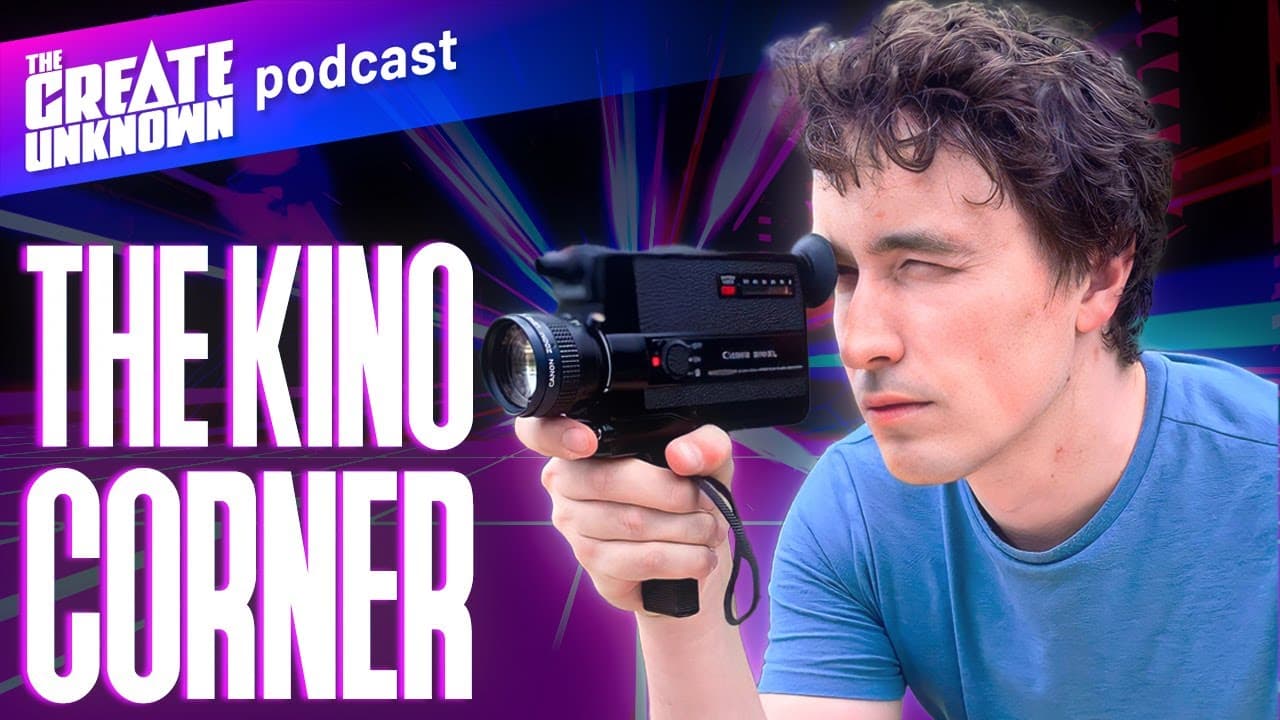
Modern films can feel weaker when commercial formulas, fragmented streaming options, and diminished communal viewing overshadow attention to craft. Strong film culture depends not only on what appears on screen, but also on discovery, shared recommendations, cinema attendance, and the conversations that continue after a screening.
Transcript
when you see that a movie is in the literally me genre it doesn't really tell you much except it's about an alienated young man one thing that Spotify does really well is you can create and share playlists and I find that really lacking in the film space this is the other big part of movie watching and Cinema people will hang around and you talk fo... Read More
Key Insights
- The “literally me” genre is a loose category built around alienated young men rather than a consistent plot, tone, or filmmaking style. Its films may differ dramatically, but they often examine how troubled male protagonists respond to isolation, resentment, social expectations, and broader cultural problems.
- Charismatic protagonists are central to the appeal of many alienation-focused films. Characters such as Travis Bickel, Patrick Bateman, Lou Bloom, Billy Brown, and Tyler Durden remain engaging to watch even when their behavior is disturbing, destructive, or shaped by severe disconnection from society.
- Early adulthood is portrayed as a liminal period between delayed adolescence and established adult life. A person may think like an adult yet lack career experience, stability, or direction, creating confusion and frustration about where they belong and what their uncertain progress says about them.
- Career entry can create a discouraging paradox because employers may expect experience that applicants can obtain only by first holding the relevant job. This barrier can intensify the fear that a desired career will never begin, particularly for people pursuing paths different from those of their parents.
- American Psycho presents consumerism as a trap built around status, belonging, and self-hatred. Its protagonist is not excluded from professional society in the same way as a struggling outsider, but remains alienated while trying desperately to conform to the culture surrounding him.
- Film discovery lacks some of the easy social sharing found in music platforms. Shared playlists provide a model for how viewers might exchange recommendations, while the former practice of encountering personal staff selections at a rental store represents another form of guided, human discovery.
- Cinema attendance is valuable because communal viewing extends beyond the screening itself. Remaining with other viewers and discussing a film afterward can deepen interpretation, reveal different reactions, and make movie watching feel like a shared cultural experience instead of isolated content consumption.
- Older bad films can seem stronger than modern bad films when they display greater attention to filmmaking craft. The argument is not that every older movie succeeds, but that even unsuccessful work from earlier periods may reveal more deliberate construction than comparable contemporary releases.
Install to Summarize YouTube Videos and Get Transcripts
Explore YouTube Video Summarizer or Get YouTube Transcript Extractor
Questions & Answers
Q: What does the “literally me” film genre mean?
The “literally me” genre is an informal category for films that often focus on alienated young men confronting social isolation, resentment, identity problems, or pressure to belong. The label does not guarantee a shared plot or style. Instead, it connects very different films through related themes and through protagonists whose charisma attracts viewers despite their troubled behavior.
Q: Why do alienated male protagonists connect with audiences?
Alienated male protagonists connect with audiences because their confusion, resentment, loneliness, and desire for purpose reflect pressures that many people experience during early adulthood. These characters are also highly charismatic, which makes them compelling screen presences. Viewers may recognize an emotional struggle without endorsing the destructive choices or beliefs through which a character expresses it.
Q: Why can early adulthood feel like delayed adolescence?
Early adulthood can feel like delayed adolescence because a person may have adult awareness and expectations without having stable work, professional standing, or a clear direction. College may be over, yet an intended career may remain inaccessible. That gap between expected independence and limited opportunity can create anxiety, depression, resentment, and uncertainty about personal identity.
Q: How does the experience requirement make starting a career difficult?
The experience requirement creates a paradox when an employer expects applicants to possess knowledge that can be gained only by doing the job being offered. Someone trying to enter a chosen field may therefore feel blocked before receiving a genuine opportunity. Repeated exposure to that barrier can produce frustration and the fear that meaningful progress will never happen.
Q: How does American Psycho portray consumerism and alienation?
American Psycho portrays consumerism as an intense desire to fit into a status-driven culture while simultaneously feeling hostile toward that culture. Its central character has professional access and social privilege, yet remains trapped by comparison, consumption, self-hatred, and the need for acceptance. His alienation therefore differs from the isolation of a protagonist with few prospects.
Q: Why is discussing a movie after a screening important?
Discussing a movie after a screening is important because conversation becomes part of the viewing experience. People can compare interpretations, clarify confusing moments, and hear emotional reactions unlike their own. Staying together after the film also preserves cinema as a communal practice, rather than reducing movie watching to private consumption that ends when the credits appear.
Q: How could film discovery become more social?
Film discovery could become more social by making personal recommendation lists easy to create, share, and explore, much like shared music playlists. Human curation also matters. A staff selection at a rental store could introduce viewers to an unexpected title, while conversations among moviegoers can turn an isolated recommendation into a continuing exchange of taste and interpretation.
Q: Why might older bad movies feel better crafted?
Older bad movies may feel better crafted when their creators show more visible attention to the practical work of filmmaking, even if the final result is unsuccessful. The argument distinguishes artistic success from care in construction. A flawed film can still contain deliberate choices and evident craftsmanship, qualities the speakers believe are less apparent in many disappointing modern releases.
Summary & Key Takeaways
-
The discussion examines the loosely defined “literally me” genre through films centered on alienated young men. Although their stories and styles differ significantly, these works share themes of isolation, resentment, social pressure, and uncertain identity. Their charismatic protagonists help make difficult or troubled characters compelling to audiences.
-
The conversation connects these films with the emotional uncertainty of early adulthood. People may possess adult expectations while lacking career stability, experience, or a clear social role. This uncomfortable position can produce depression, resentment, and anxiety, which helps explain why stories about isolated young men resonate so strongly.
-
Film appreciation is presented as both an artistic and communal practice. Discovery tools, personal recommendations, theater attendance, and post-screening conversations shape how audiences understand movies. The speakers argue that older unsuccessful films often displayed more attention to craft, while modern film culture can feel weakened by commercial pressures and fragmented viewing.
Read in Other Languages (beta)
Share This Summary 📚
Summarize YouTube Videos and Get Video Transcripts with 1-Click
Try YouTube Summary with ChatGPT & Claude or YouTube Transcript Generator
Explore More Summaries from The Create Unknown 📚




Summarize YouTube Videos and Get Video Transcripts with 1-Click
Try YouTube Summary with ChatGPT & Claude or YouTube Transcript Generator