How Does Slang Change the Meaning of Words in English?
TL;DR
Slang transforms negative or mundane words into positive expressions, with terms like 'bad' meaning 'good' and 'sick' denoting something 'awesome.' Words like 'wicked' and 'deadly' illustrate this shift, showcasing how language evolves creatively within cultural contexts. Understanding slang enhances communication as it reflects the dynamic nature of language and societal values.
Transcript
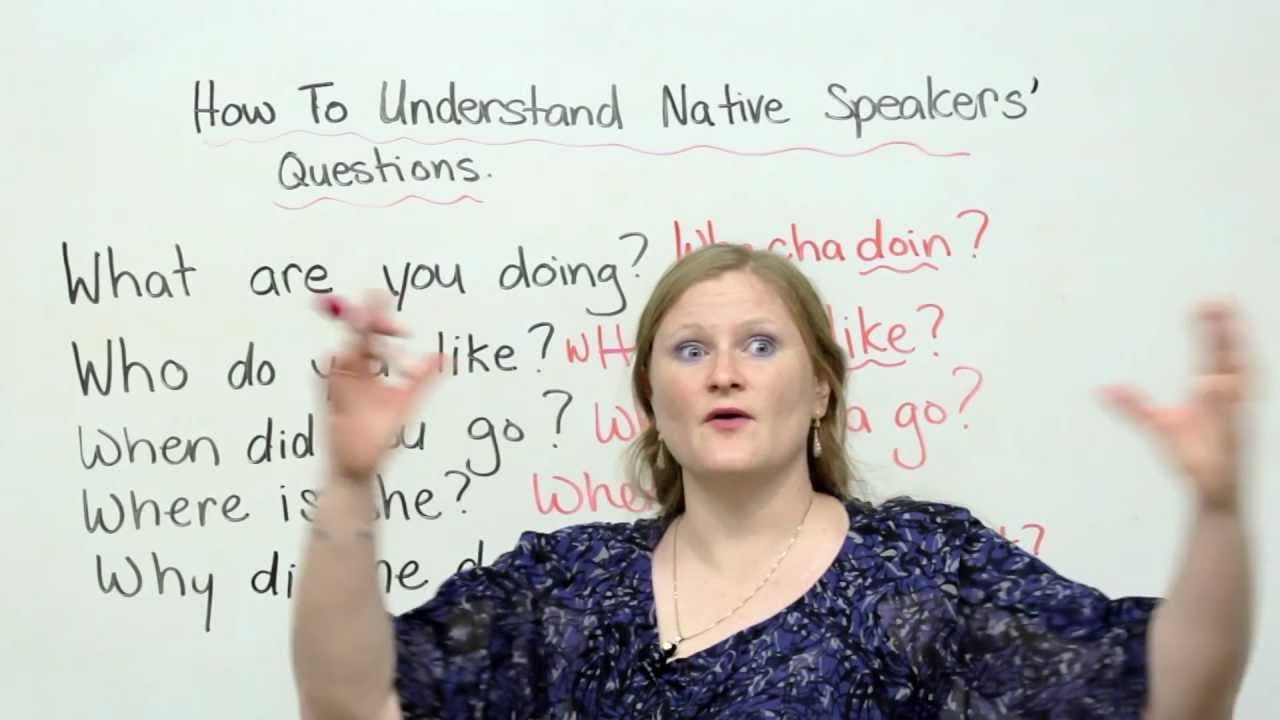
Yo,'sup? My name's Ronnie. Today, I'm going to teach you some slang. "Cool." "Cool?" "Cold?" What? "Cool?" What? "Cold" is another word for "cool." But you will hear people say, "Wow, that's cool." And you think, "Mm, it's ice." It's cool, okay? But this really beautiful car, when I touch it, is not cool. What's up? "What's up?" is that we take wor... Read More
Key Insights
- 😑 Slang creatively reshapes language, evolving negative words into positive expressions like "wicked" and "awesome."
- 🎁 Cultural context influences the development of slang, as seen in terms like "da bomb" from rap music.
- ⌛ Language evolution through slang highlights the dynamic nature of communication, showcasing how words' meanings can transform over time.
- 😑 The use of slang allows for nuanced expressions of enthusiasm and positivity, providing speakers with creative linguistic tools for self-expression.
- 😷 The transformation of negative terms like "sick" and "killer" into slang reinforces the power of language to shape perceptions and emotions.
- 🛟 Slang serves as a reflection of societal values and trends, illustrating how language adapts to changing environments and cultural influences.
- 😑 The playful nature of slang offers speakers a unique way to convey emotions and attitudes, demonstrating the versatility of language in expressing complex ideas.
Install to Summarize YouTube Videos and Get Transcripts
Explore YouTube Video Summarizer or Get YouTube Transcript Extractor
Questions & Answers
Q: How does slang transform negative words into positive expressions?
Slang redefines the meanings of words like "wicked" and "sick" to convey positivity and enthusiasm, showcasing the dynamic nature of language evolution.
Q: What similarities do slang words like "deadly" and "awesome" share with their original meanings?
Slang words often retain some connection to their initial negative connotations, illustrating the creative ways in which language can transform perceptions and meanings.
Q: Why do speakers use slang to describe positive experiences with words like "killer" and "cool"?
Slang allows speakers to convey excitement and admiration for something by repurposing negative terms like "killer" and "cool" into expressions of praise and enthusiasm.
Q: How does language reflect cultural shifts through the use of slang terms like "da bomb" and "gnarly"?
Slang terms like "da bomb" and "gnarly" not only showcase linguistic creativity but also reflect cultural trends and influences, emphasizing the fluidity and adaptability of language.
Summary & Key Takeaways
-
Ronnie explains how slang changes the meanings of words like "cool" and "bad" to convey positivity.
-
Negative words like "deadly" and "wicked" become synonyms for "fantastic" through slang evolution.
-
Slang words like "sick" and "killer" showcase how language can transform perceptions.
Read in Other Languages (beta)
Share This Summary 📚
Summarize YouTube Videos and Get Video Transcripts with 1-Click
Try YouTube Summary with ChatGPT & Claude or YouTube Transcript Generator
Explore More Summaries from English with Ronnie · EnglishLessons4U with engVid 📚





Summarize YouTube Videos and Get Video Transcripts with 1-Click
Try YouTube Summary with ChatGPT & Claude or YouTube Transcript Generator