What Are the Prognoses for Bowel, Pancreatic, and Esophageal Cancers?
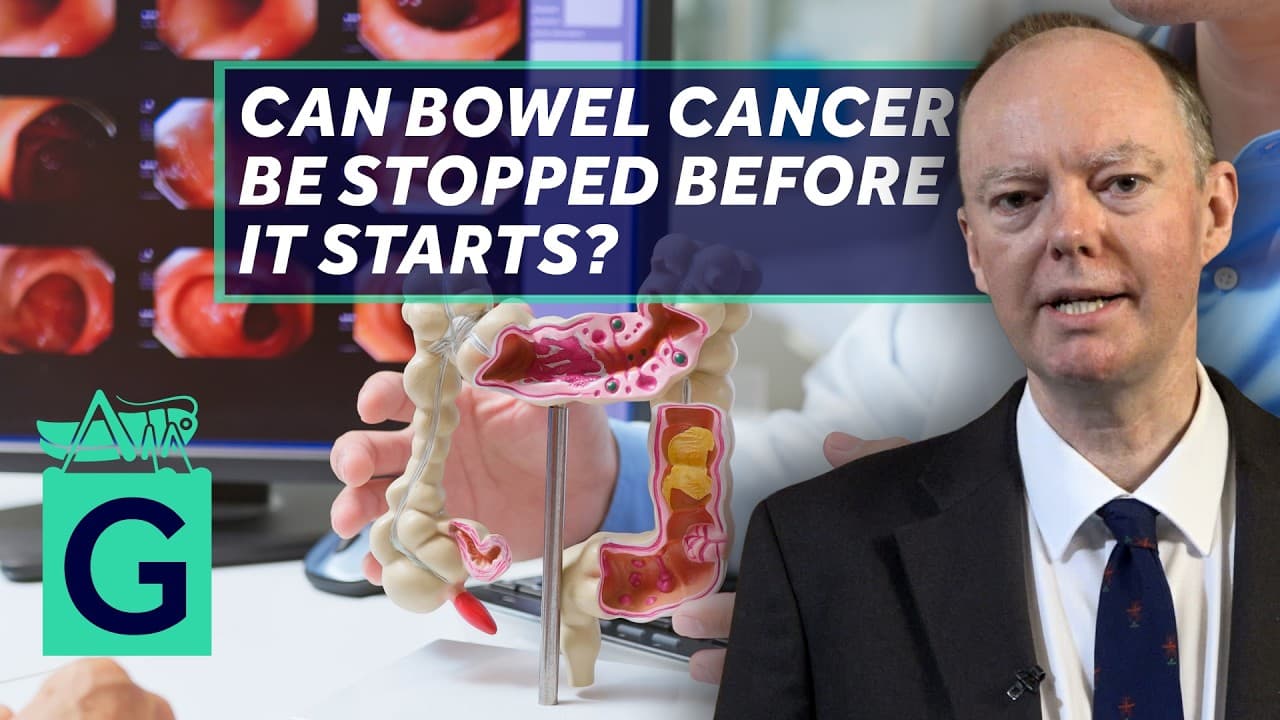
TL;DR
Bowel cancer has a favorable prognosis with early detection and surgery, offering a 92% five-year survival rate in stage one. In contrast, pancreatic and esophageal cancers often have poor outcomes due to late diagnosis, with survival rates dropping significantly at more advanced stages. Early detection through screening is crucial for improving prognoses in gastrointestinal cancers.
Transcript
- Good evening. This evening I'm going to be talking about cancer and particularly cancer of the bowel and digestive system. And this is part of a series of talks on the major cancers, some of which got postponed from earlier this year because of COVID. The point of this series is both for people who have a general interest in medicine, but also fo... Read More
Key Insights
- 👋 Bowel cancer has a good prognosis with early detection and surgical intervention.
- 💝 Late diagnosis and limited treatment options contribute to poor outcomes in pancreatic and esophageal cancers.
- ☠️ Stomach cancer rates have decreased due to the treatment of H. pylori infection.
- 🖐️ Modifiable lifestyle factors like smoking and obesity play a significant role in gastrointestinal cancer risk.
- 🎯 Advancements in targeted therapies are being explored for pancreatic and esophageal cancers to improve treatment outcomes.
- ♋ Early detection is crucial in improving the prognosis of gastrointestinal cancers.
- 🧑🏭 Infections like H. pylori and HPV are important factors in certain digestive tract cancers.
Install to Summarize YouTube Videos and Get Transcripts
Explore YouTube Video Summarizer or Get YouTube Transcript Extractor
Questions & Answers
Q: How does early detection impact the prognosis of bowel cancer?
Early detection of bowel cancer leads to a good prognosis as surgical removal is effective, resulting in a normal life expectancy for many patients.
Q: What are the challenges in diagnosing pancreatic and esophageal cancers?
Pancreatic and esophageal cancers are often diagnosed late due to vague or non-specific symptoms, leading to limited treatment options and poorer outcomes.
Q: What role do modifiable factors like smoking and obesity play in gastrointestinal cancers?
Modifiable factors like smoking and obesity increase the risk of gastrointestinal cancers, emphasizing the importance of prevention through lifestyle changes.
Q: How has the treatment landscape for gastrointestinal cancers evolved over time?
While surgical removal remains crucial for bowel cancer, advancements in targeted therapies are being explored for pancreatic and esophageal cancers to improve outcomes for patients.
Summary & Key Takeaways
-
Bowel cancer is common but has a good prognosis with early detection and surgical removal.
-
Pancreatic and esophageal cancers have poorer outcomes due to late diagnosis, limited treatment options, and late-stage presentation.
-
Stomach cancer rates have decreased due to the treatment of H. pylori infection, highlighting the importance of infection prevention in reducing cancer risk.
Read in Other Languages (beta)
Share This Summary 📚
Summarize YouTube Videos and Get Video Transcripts with 1-Click
Try YouTube Summary with ChatGPT & Claude or YouTube Transcript Generator
Explore More Summaries from Gresham College 📚


Summarize YouTube Videos and Get Video Transcripts with 1-Click
Try YouTube Summary with ChatGPT & Claude or YouTube Transcript Generator