How Can Being a Good Neighbor Transform Society?
TL;DR
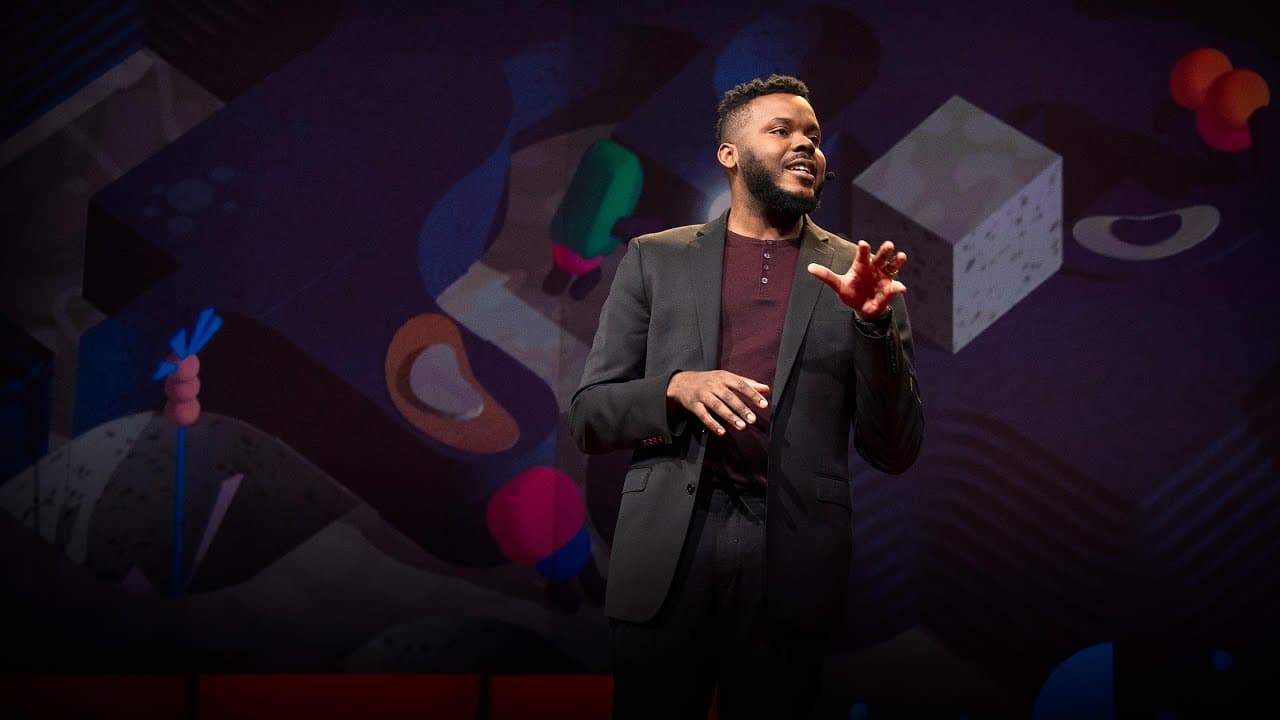
Being a good neighbor entails recognizing our common humanity and addressing structural injustices in society. Michael Tubbs emphasizes the need for empathy and collective action to tackle issues like poverty, violence, and inequality, highlighting that seeing others as neighbors is essential for creating positive change.
Transcript
So I know for sure there's at least one thing I have in common with dentists. I absolutely hate the holiday of Halloween. Now, this hatred stems not from a dislike of cavities, nor was it a lifetime in the making. Rather, this hatred stems from a particular incident that happened nine years ago. Nine years ago, I was even younger, I was 20 years ol... Read More
Key Insights
- 🎃 Halloween Hatred: The speaker recalls his personal disdain for Halloween, which stems from a tragic incident that happened nine years ago. This incident provoked him to take action to put purpose to his pain.
- 🔥 Structural Violence: Drawing from a biblical parable, the speaker highlights the existence of structural violence in society, which results in unequal outcomes and disadvantages certain groups of people.
- 💼 Unlikely Journey: Despite a challenging background, the speaker made the unusual decision, as a college senior, to run for city council. His journey was driven by a desire to make a difference and challenge the structures that perpetuated poverty and inequality.
- 🤝 Seeing Each Other as Neighbors: The speaker emphasizes the importance of recognizing our common humanity and seeing one another as neighbors. This perspective is essential for building inclusive communities and addressing social challenges.
- 💔 Restructuring the Road: The speaker calls for the restructuring of societal systems and institutions that perpetuate injustice and inequality, such as white supremacy, misogyny, homophobia, and anti-Semitism. It is our responsibility to actively work towards creating a more equitable future.
- 🌆 Blossoming Stockton: The speaker shares three stories that highlight the progress Stockton, his hometown, has made in addressing social challenges. These stories include opening a health clinic for undocumented individuals, implementing programs to reduce violent crime, and introducing a basic income pilot program.
- 💪 Small Steps Towards Change: The speaker reminds us that while progress has been made, there is still much work to be done. By joining hands as neighbors and actively working to restructure society, we can pave the way for a better future.
- 🌍 Our Collective Responsibility: The speaker encourages us to reflect on what we can do today to create a society free from systemic inequality and prejudice. By taking action now, we can ensure a more inclusive and just world for future generations.
- 🎙️ More videos with Michael Tubbs:
Install to Summarize YouTube Videos and Get Transcripts
Explore YouTube Video Summarizer or Get YouTube Transcript Extractor
Questions & Answers
Q: Why does the speaker hate Halloween?
The speaker hates Halloween because of a particular incident that happened nine years ago when their cousin was murdered at a house party on Halloween.
Q: What led the speaker to run for city council?
The speaker's desire to put purpose to their pain and help their own family drove them to make the decision to run for city council, despite the unlikely circumstances of their background and hometown.
Q: How did the speaker tackle the issue of violence in their community?
The speaker implemented strategies such as Ceasefire and Advance Peace, which focused on providing support, opportunities, and resources to individuals involved in violent crime. As a result, there was a significant reduction in homicides and violent crime in their city.
Q: What is the significance of the basic income demonstration in Stockton?
The basic income demonstration aims to address structural issues in America, such as the inability for many people to afford emergency expenses and the persistent wage stagnation. By providing a basic income to families in need, this pilot program challenges the current societal structures that perpetuate poverty.
Summary & Key Takeaways
-
The speaker hates Halloween because of a tragic incident that happened to his cousin on that day nine years ago.
-
He chose to take action and run for city council in his hometown of Stockton to make a difference and address systemic issues.
-
The speaker emphasizes the need to see each other as neighbors, restructure societal systems rooted in prejudice, and work towards creating a more equitable and just society.
Read in Other Languages (beta)
Share This Summary 📚
Summarize YouTube Videos and Get Video Transcripts with 1-Click
Try YouTube Summary with ChatGPT & Claude or YouTube Transcript Generator
Explore More Summaries from TED 📚


Summarize YouTube Videos and Get Video Transcripts with 1-Click
Try YouTube Summary with ChatGPT & Claude or YouTube Transcript Generator