Why Pause Data Center Construction for AI?
TL;DR
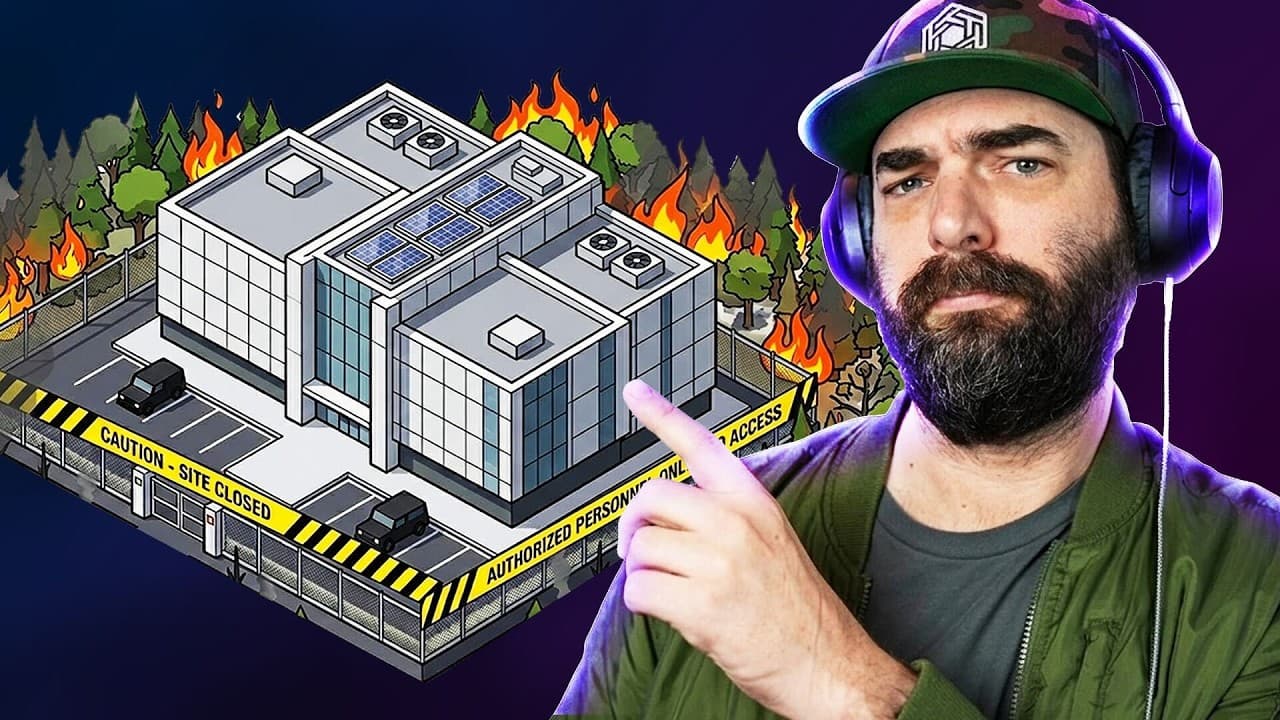
The proposal to halt new data center construction until AI regulations are in place aims to address rising residential energy costs and environmental concerns. Data centers significantly impact local electricity prices and resources, but pausing construction could lead to supply constraints, benefiting large companies while disadvantaging smaller entities and consumers.
Transcript
So today, Bernie Sanders and AOC introduced their data center moratorum bill. They're basically calling to pause all new data center construction nationwide until AI safeguards are in place. Here's what they're asking for. Under the artificial intelligence data center moratorium act, the ban on new construction could only be lifted after the passag... Read More
Key Insights
- The proposed data center moratorium seeks to pause construction until AI safeguards are established.
- Residential energy costs have risen over 36% since 2020, partly due to data centers.
- Data centers consume massive energy, impacting local electricity supply and prices.
- Critics argue that halting data centers could disadvantage the US against countries like China.
- Without new centers, demand for AI could outstrip supply, raising costs for smaller users.
- Big tech companies may build data centers in countries with less regulation.
- Microsoft and others pledged to pay for grid upgrades to mitigate local impacts.
- A balanced approach could involve requiring companies to manage their own energy and environmental impacts.
Install to Summarize YouTube Videos and Get Transcripts
Explore YouTube Video Summarizer or Get YouTube Transcript Extractor
Questions & Answers
Q: How do data centers affect local electricity costs?
Data centers require substantial electricity, often drawing from local grids. This increased demand can lower the available supply for residential use, driving up electricity prices. In states with high data center concentrations, residents have seen significant increases in their energy bills, correlating with the growth of these facilities.
Q: Why is there a proposal to pause data center construction?
The proposal aims to pause data center construction until AI regulations ensure protection for workers, consumers, and the environment. Rising residential energy costs and environmental concerns, such as pollution and water usage, are key issues driving this initiative. The goal is to manage AI's integration responsibly and sustainably.
Q: What are the arguments against the data center moratorium?
Critics argue that pausing data center construction could put the US at a global disadvantage, particularly against countries like China. Additionally, it may lead to supply constraints, increasing AI costs and limiting access for smaller companies and consumers, while large tech firms can afford higher costs and may build centers abroad.
Q: How might the moratorium impact AI development?
The moratorium could slow AI development by constraining the supply of computing resources. With demand continuing to rise, this could lead to increased costs for AI services, impacting smaller businesses and consumers. Large tech companies might circumvent the moratorium by building data centers in countries with less stringent regulations.
Q: What environmental concerns are associated with data centers?
Data centers consume large amounts of electricity and water, contributing to pollution and resource depletion. For instance, gas-powered centers can increase local air pollution and water usage. These environmental impacts are a significant concern, prompting calls for more sustainable practices in data center operations.
Q: How are tech companies responding to the moratorium proposal?
Companies like Microsoft have pledged to mitigate local impacts by paying for grid upgrades, reducing water usage, and creating local jobs. They aim to ensure their data centers do not strain existing infrastructure, suggesting a commitment to responsible development despite the proposed moratorium.
Q: What is the potential impact on smaller businesses if the moratorium is enacted?
Smaller businesses could face higher costs for AI services due to constrained supply, as large companies dominate access to computing resources. This could limit smaller entities' ability to compete and innovate, potentially stifling growth and widening the gap between large and small tech players.
Q: What is a proposed middle-ground solution for data center issues?
A balanced solution involves allowing data center construction with conditions: companies must manage their own energy needs, avoid using local grids, replenish consumed resources, and contribute to local economies. This approach aims to support AI development while minimizing negative impacts on communities and the environment.
Summary & Key Takeaways
-
The AI data center moratorium aims to pause new construction until regulations ensure AI's safe integration into society. Concerns include rising residential energy costs and environmental impacts from data centers. Critics argue that halting construction could disadvantage the US globally and increase AI costs due to constrained supply.
-
Data centers significantly impact local electricity grids, driving up residential costs. The proposed moratorium addresses these issues but could lead to unintended consequences, such as increased AI costs and global competitive disadvantages. A balanced approach may involve companies managing their own energy and environmental responsibilities.
-
While the moratorium on data centers aims to protect consumers and the environment, it risks creating supply constraints that benefit large tech companies. Critics suggest a middle-ground approach, where companies handle their own infrastructure needs, ensuring continued AI development without local negative impacts.
Read in Other Languages (beta)
Share This Summary 📚
Summarize YouTube Videos and Get Video Transcripts with 1-Click
Try YouTube Summary with ChatGPT & Claude or YouTube Transcript Generator
Explore More Summaries from Matt Wolfe 📚



Summarize YouTube Videos and Get Video Transcripts with 1-Click
Try YouTube Summary with ChatGPT & Claude or YouTube Transcript Generator