Are Introverts or Extroverts Better for You?
TL;DR
Both introverts and extroverts offer unique advantages. Introverts excel in deep thought and planning due to a thicker prefrontal cortex, while extroverts thrive on social interaction and responsiveness to rewards. Each personality type contributes to our social fabric, and neither is inherently better than the other.
Transcript
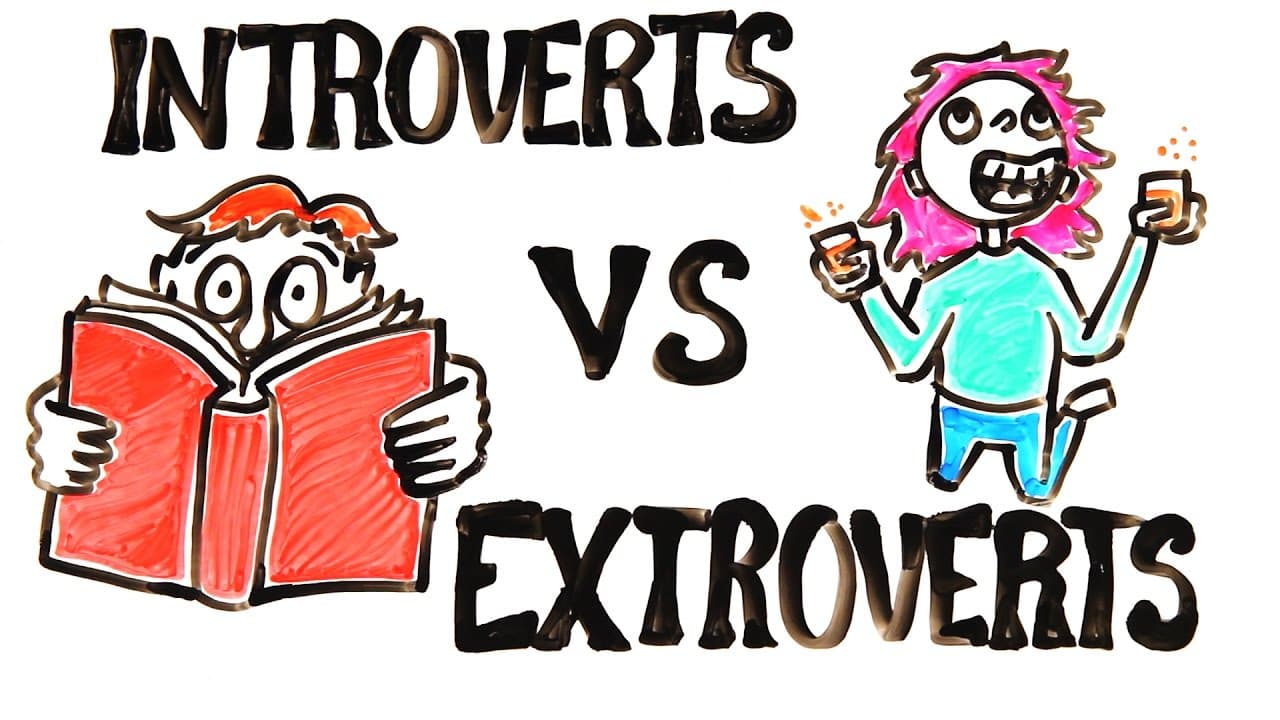
some of us like to spend our weekend with a book in hand while others prefer a night out being the center of attention but from a scientific perspective is there an advantage to being an introvert or an extrovert which is better the idea of two polar personalities was first described by Swiss German psychologist Carl Jung who coined the terms intro... Read More
Key Insights
- 💭 Introverts have a thicker prefrontal cortex associated with deeper thought and planning, while extroverts have a more activated dopamine reward system.
- 💄 Introverts are more inclined to ruminate and overthink, making them more susceptible to anxiety and depression.
- ❓ Extroverts respond more strongly to rewards and human interaction due to their more activated dopamine reward system.
- 😚 Introverts may prefer close conversations with a few individuals rather than large social gatherings.
- 😀 Extroverts have a stronger brain response when shown photos of human faces, highlighting their greater need for social interaction.
- 🖐️ Genetics may play a role in determining introversion and extroversion, with certain alleles linked to adventurous behavior.
- 🤔 Society tends to value extroverted qualities, but introverts have their own strengths, such as thorough thinking and better public speaking.
Install to Summarize YouTube Videos and Get Transcripts
Explore YouTube Video Summarizer or Get YouTube Transcript Extractor
Questions & Answers
Q: How do introverts and extroverts differ in their baseline arousal levels?
Introverts have a higher baseline arousal level, and they feel mentally satisfied with calm activities, while extroverts have a lower baseline arousal level and need more exciting and stimulating experiences.
Q: How do brain scans show the differences between introverts and extroverts?
Brain scans reveal that introverts have a thicker prefrontal cortex associated with deeper thought and planning. Extroverts, on the other hand, have a more activated dopamine reward system and strong responses when interacting with others.
Q: Are introverts more prone to developing anxiety and depression?
Yes, introverts are more likely to develop anxiety and depression due to their tendency to ruminate and overthink situations. This internal focus can contribute to negative emotions.
Q: How are extroverts more responsive to rewards?
Extroverts show a significantly more activated dopamine reward system compared to introverts. This means they feel a stronger sense of pleasure and excitement when completing rewarding tasks or engaging in social activities.
Summary & Key Takeaways
-
Swiss German psychologist Carl Jung first described the concepts of introversion and extroversion, which were further elaborated upon by psychologist Hans Eysenck.
-
Introverts have a thicker prefrontal cortex and prefer deeper thought and planning, while extroverts have a more activated dopamine reward system and require more social interaction.
-
Introverts may be more susceptible to developing anxiety and depression, while extroverts respond more strongly to rewards and human interaction.
Read in Other Languages (beta)
Share This Summary 📚
Summarize YouTube Videos and Get Video Transcripts with 1-Click
Try YouTube Summary with ChatGPT & Claude or YouTube Transcript Generator
Explore More Summaries from AsapSCIENCE 📚




Summarize YouTube Videos and Get Video Transcripts with 1-Click
Try YouTube Summary with ChatGPT & Claude or YouTube Transcript Generator