How to Select What to Work on for Maximum Impact
TL;DR
To maximize your impact, choose work that intersects your skills, passions, and where you can provide value. Surround yourself with like-minded individuals and be willing to move for opportunities. Achieving significant goals requires a combination of focus, personal connections, and strong self-belief.
Transcript
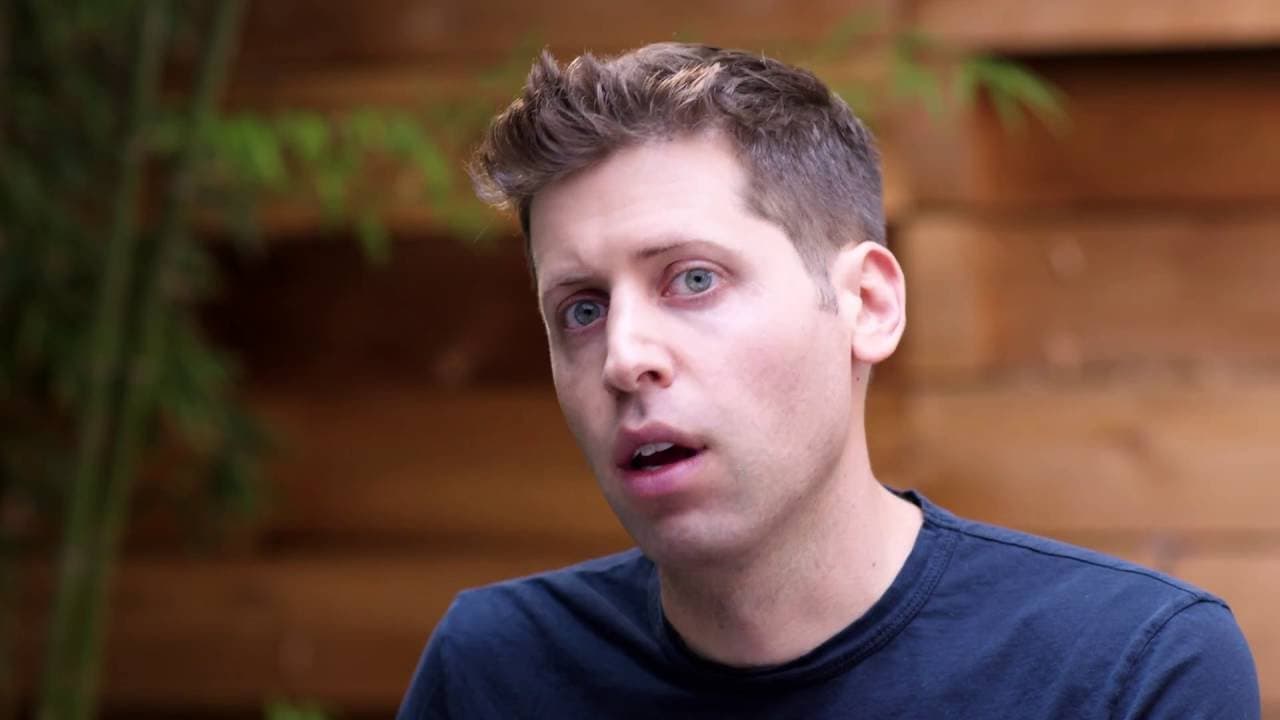
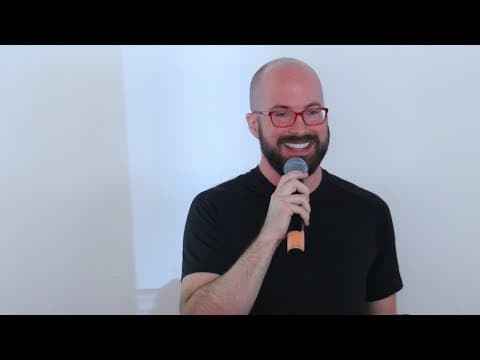
I'm Jack Sam's brother and we are here in our backyard where we also live with our other brother and Sam wanted to give some advice about how to have an impact on the world and since you couldn't interview himself Here I am so Sam thank you thank you for taking the time yeah my pleasure so to get started I think one of the things that people talk a... Read More
Key Insights
- 🤔 Finding what to work on:
- Look for the intersection of what you're good at, what you enjoy, and where you can create value for the world.
- Giving upfront thought to what you'll spend most of your time doing is essential for having a real impact.
- 🌍 Working with the right people:
- Finding like-minded individuals and being willing to move for opportunities is crucial.
- Helping others without expecting immediate benefit can lead to valuable connections in the long run.
- Focus, personal connections, and self-belief are the key factors for achieving great things.
- Having a deep-seated personal conviction in your work is vital.
- ⚖️ Work-life balance in your 20s:
- Work hard early in your career to build leverage and maximize compounding effects.
- Strive to work harder than most people think you should to set a strong foundation for the future.
- 🚫 Knowing when to quit:
- Most people give up too early, and perseverance is essential.
- Quitting should be an internal decision, considering if you have run out of ideas and if it's not working.
- Enjoyment, belief in the importance of your work, and satisfaction are crucial for sustained motivation.
- A deeper mission often replaces initial motivations like money and fame.
- 📊 Thinking long-term with money:
- Holding onto investments for the long-term can be an arbitrage opportunity, especially in a world focused on short-term gains.
- Making a long-term commitment to a startup can generate significant value and wealth.
- 🔥 Risk-taking in a career:
- People have poor risk calculus and don't take enough risks, especially early in their careers.
- Calculated risks that align with personal convictions are worth taking, even if they come with short-term challenges.
- 💸 Asking for what you want:
- Don't be afraid of being told "no" and be more aggressive in asking for opportunities and partnerships.
- Being a doer, not just a talker, is crucial for success.
- Have strong opinions about the future while being flexible in the implementation.
- The best entrepreneurs have strong opinions strongly held and are open to being convinced with new data.
- 🌟 Leaving a big impact:
- Figure out where you can make the biggest contribution and have the courage to take risks and focus on that area.
- It's important to be willing to sacrifice and try to impact the world in a way you truly care about.
- 🎙️ More videos with Sam Altman:
Install to Summarize YouTube Videos and Get Transcripts
Explore YouTube Video Summarizer or Get YouTube Transcript Extractor
Questions & Answers
Q: How does Sam suggest selecting what to work on?
Sam advises finding the intersection of what you're good at, what you enjoy, and where you can create value for the world. He emphasizes the importance of upfront thought in deciding what to spend most of your time doing.
Q: According to Sam, how should people choose who they work on things with?
Sam suggests being willing to move to be near people who are working on similar things. He also talks about the value of helping others without any immediate benefit and spending time with impressive and effective individuals.
Q: What are the key factors in getting things done, according to Sam?
Sam believes that getting things done requires a combination of focus, personal connections, and self-belief. He shares a quote that says focus and personal connections are necessary but adds that self-belief is also crucial for achieving big things.
Q: How does Sam advise balancing work and life in your 20s?
Sam believes that working hard in the early stages of your career is important for creating long-term leverage and compounding effects. He suggests working harder than most people think they should and emphasizes the value of investing time and effort in the beginning of your career.
Q: How does Sam suggest knowing when to give up on something?
Sam acknowledges that there is no perfect answer to this question but suggests that most people tend to give up on things too early. He advises making an internal decision based on running out of ideas and things not working, rather than external opinions or criticisms.
Q: What motivates people to sustain their work over a long period of time?
Sam believes that enjoyment and a deep-seated belief in the importance of what you're doing are key motivators for sustaining work over a long period of time. He also mentions the importance of liking the people you work with.
Q: How does Sam view the concept of risk in a career?
Sam thinks that people generally have terrible risk calculus and that most people don't take enough risks, especially early in their careers. He believes that being young, unknown, and poor is a great gift in terms of the risk you can take and suggests that taking risks and making long-term commitments can generate value and wealth.
Summary & Key Takeaways
-
Sam emphasizes the importance of choosing what to work on based on what you're good at, enjoy, and where you can create value for the world.
-
He advises finding the right people to work with and suggests being willing to move to be near like-minded individuals.
-
Sam shares that getting things done requires a combination of focus, personal connections, and self-belief.
Read in Other Languages (beta)
Share This Summary 📚
Summarize YouTube Videos and Get Video Transcripts with 1-Click
Try YouTube Summary with ChatGPT & Claude or YouTube Transcript Generator
Explore More Summaries from Y Combinator 📚

Summarize YouTube Videos and Get Video Transcripts with 1-Click
Try YouTube Summary with ChatGPT & Claude or YouTube Transcript Generator