Which Power Plant Does My Electricity Come From?
TL;DR
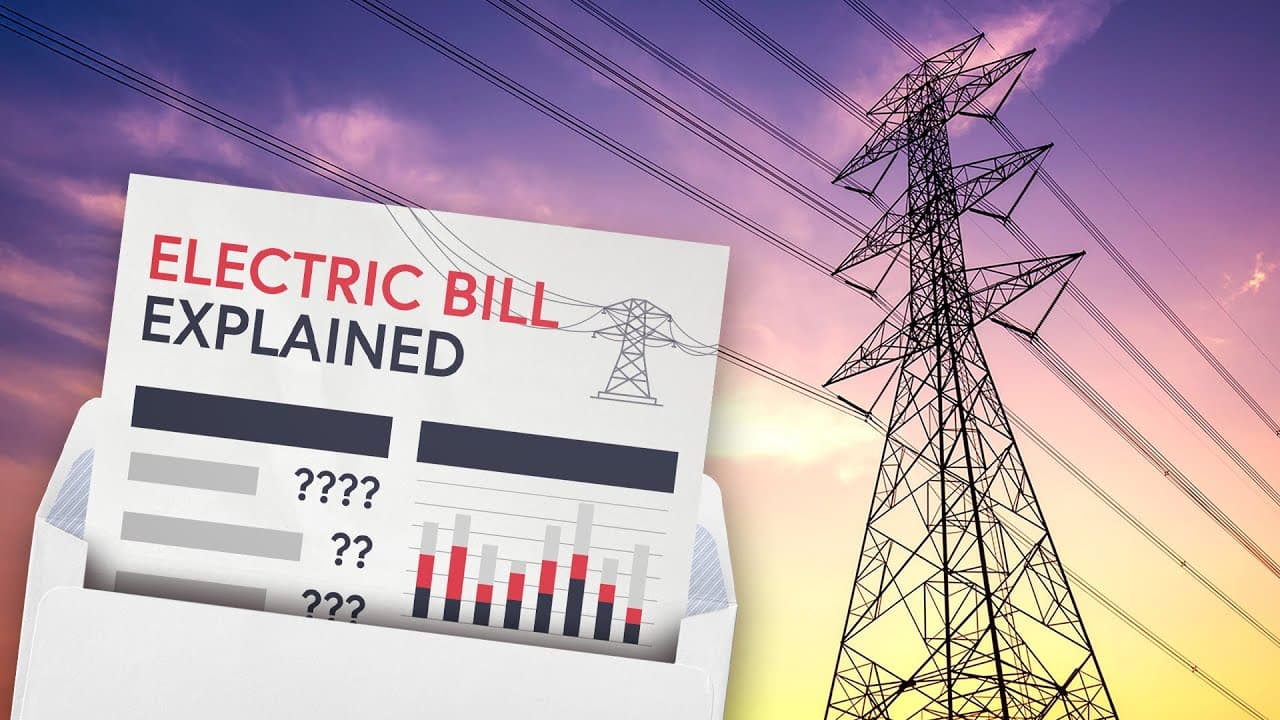
Electricity's complexity extends beyond engineering to financial intricacies.
Transcript
In June of 2000, the power shut off across much of the San Francisco Bay area. There simply wasn’t enough electricity to meet demands, so more than a million customers were disconnected in California's largest load shed event since World War II. It was just one of the many rolling blackouts that hit the state in the early 2000s. Known as the We... Read More
Key Insights
- The Western Energy Crisis in the early 2000s was primarily caused by economic manipulation, not engineering failures, leading to massive blackouts and financial losses.
- Electricity is unique as it cannot be stored on an industrial scale, requiring real-time generation to meet demand, which is inelastic.
- The deregulation of electricity markets introduced complexities, with market forces intended to drive efficiency but also creating opportunities for manipulation.
- Electric utilities were historically vertically integrated, controlling generation, transmission, and distribution, but deregulation has changed this structure.
- Electricity markets operate through day-ahead and real-time auctions to match supply with demand, with prices set by the last unit of supply dispatched.
- Capacity and ancillary services markets exist to ensure long-term supply stability and grid reliability, though not all regions participate equally.
- Transmission and distribution costs remain regulated due to the impracticality of competing networks, adding complexity to electricity pricing.
- Retail electricity providers act as intermediaries, buying power wholesale and selling it to consumers, often offering different rate structures and renewable energy options.
Install to Summarize YouTube Videos and Get Transcripts
Explore YouTube Video Summarizer or Get YouTube Transcript Extractor
Questions & Answers
Q: What caused the Western Energy Crisis in the early 2000s?
The Western Energy Crisis was primarily caused by economic manipulation, particularly by power brokers like Enron. They exploited the deregulated electricity market, leading to skyrocketing prices and blackouts. Although there were some engineering issues, such as hydroelectric plant outages due to drought, the main driver was financial manipulation.
Q: How is electricity different from other commodities?
Electricity is unique because it cannot be stored or stockpiled on an industrial scale. It must be generated in real-time to meet demand, which is relatively inelastic. This requirement for instantaneous generation creates volatility and necessitates a complex infrastructure to manage supply and demand.
Q: What changes did deregulation bring to the electricity market?
Deregulation allowed for the separation of electricity generation from its transmission and distribution, creating a competitive market for power production. The intention was to increase efficiency and lower prices, but it also introduced complexities and opportunities for market manipulation, as seen in the Western Energy Crisis.
Q: How do electricity markets ensure supply meets demand?
Electricity markets use day-ahead and real-time auctions where utilities and generators submit bids and offers to match supply with demand. Prices are set by the last unit of supply dispatched, and additional mechanisms like capacity and ancillary services markets help ensure long-term stability and reliability.
Q: Why are transmission and distribution costs regulated?
Transmission and distribution costs are regulated because building parallel competing networks would be impractical and costly. These costs are essential for maintaining the infrastructure that carries electricity from generators to consumers, ensuring reliable service while preventing excessive charges.
Q: What role do retail electricity providers play?
Retail electricity providers act as intermediaries between the wholesale market and consumers. They purchase electricity in bulk and sell it to end-users, offering various rate structures and options, such as renewable energy sources, to differentiate themselves in a competitive market.
Q: How do ancillary services contribute to grid stability?
Ancillary services are essential for maintaining grid stability and reliability. They include services like regulation to manage short-term supply and demand fluctuations, reserves to quickly bring additional generation online, and contracts for specific stability needs like black start capabilities and reactive power support.
Q: What is Locational Marginal Pricing?
Locational Marginal Pricing (LMP) is a method used to manage grid congestion by allowing electricity prices to vary by location. It reflects the cost of delivering electricity to specific areas, accounting for demand, generation availability, and transmission constraints, helping to efficiently allocate resources and manage congestion.
Summary & Key Takeaways
-
The Western Energy Crisis highlighted the financial vulnerabilities in electricity markets, with manipulation by companies like Enron causing widespread blackouts and economic losses. The crisis revealed the importance of understanding both the engineering and financial aspects of electricity.
-
Electricity's unique characteristics, such as its inability to be stored and the need for real-time generation, create significant challenges for the grid. Market deregulation aimed to increase efficiency but added complexity and opportunities for manipulation.
-
Electricity markets involve intricate processes, including day-ahead and real-time auctions, capacity markets, and ancillary services, all aimed at ensuring supply meets demand. Transmission and distribution costs remain regulated, adding another layer to the financial complexity of electricity.
Read in Other Languages (beta)
Share This Summary 📚
Summarize YouTube Videos and Get Video Transcripts with 1-Click
Try YouTube Summary with ChatGPT & Claude or YouTube Transcript Generator
Explore More Summaries from Practical Engineering 📚


Summarize YouTube Videos and Get Video Transcripts with 1-Click
Try YouTube Summary with ChatGPT & Claude or YouTube Transcript Generator