What Is Staking in Blockchain and How Does It Work?
TL;DR
Staking in blockchain is the process of locking digital assets in a smart contract to earn rewards, similar to depositing money in a bank. While valid staking, like Ethereum's, secures the network and offers returns, irresponsible schemes can manipulate token prices through unsustainable reward systems. Effective regulation is necessary to balance innovation and protect investors.
Transcript
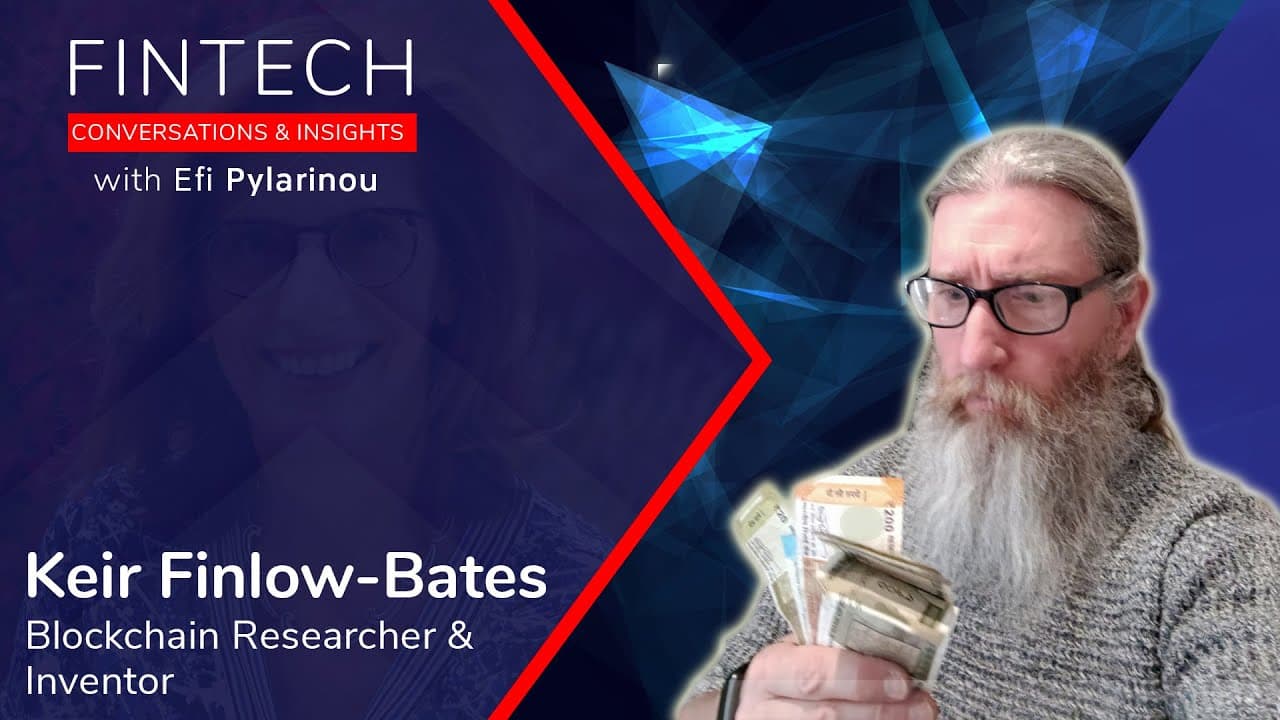
[Applause] hello I'm your host e Pino and today I have a very special guest uh Kier fin lates who is one of the big stars in my book uh and I hope many others um around blockchain he has a a super uh super super talent to explain Concepts that are philosophical and Technical in a very businesslike fashion I will welcome you first of all here to to ... Read More
Key Insights
- ⏰ Staking in blockchain involves locking digital assets for rewards, with Ethereum's model exemplifying valid staking for network participation.
- 🚱 Irresponsible staking schemes manipulate token prices by rewarding stakers with held tokens, diluting the value for non-stakers.
- 🤑 Stablecoin staking can involve lending protocols but faces regulatory challenges, like the EU's Mic regulations restricting staking of electronic money tokens.
- 🫷 Regulatory frameworks, like Switzerland's banking license requirement for staking services, can hinder innovation and push users towards anonymous solutions.
- ⚖️ Balancing regulation and fostering compliance is crucial in blockchain to prevent misuse and promote responsible practices.
- ❓ Cryptocurrency regulations are evolving globally, with challenges in understanding and adapting to the decentralized nature of blockchain technologies.
- ✳️ Understanding the risks and rewards of staking in blockchain is essential for investors to navigate the complexities of different staking schemes.
Install to Summarize YouTube Videos and Get Transcripts
Explore YouTube Video Summarizer or Get YouTube Transcript Extractor
Questions & Answers
Q: What is staking in blockchain, and how does it differ from traditional deposit systems?
Staking in blockchain involves locking digital assets in a smart contract for rewards, akin to a deposit, with rewards earned for participating in network activities, such as securing the blockchain.
Q: What distinguishes valid staking, like Ethereum, from irresponsible staking schemes in blockchain?
Valid staking, like Ethereum's, involves active participation in network tasks for rewards, whereas irresponsible staking schemes manipulate token prices by issuing rewards with held tokens, diluting investors.
Q: How does stablecoin staking work, and what regulatory challenges does it face?
Stablecoin staking can involve lending protocols for profit-making by locking stable assets and lending them out, but regulatory challenges, like the EU's Mic regulations, restrict staking of electronic money tokens.
Q: How do regulatory frameworks impact staking services in blockchain, and what are the potential consequences of stringent regulations?
Stringent regulations, such as Switzerland's banking license requirement for staking services, can hinder innovation and push users towards anonymous solutions, highlighting the importance of balancing regulation and fostering compliance.
Summary & Key Takeaways
-
Staking in blockchain involves locking digital assets in a smart contract for rewards, akin to a deposit system, with Ethereum being a prominent example.
-
Valid staking, like Ethereum, involves participating in network security for rewards, while irresponsible staking schemes artificially inflate token prices.
-
Stablecoin staking can involve lending protocols but faces regulatory challenges, with the importance of balancing regulation and innovation highlighted.
Read in Other Languages (beta)
Share This Summary 📚
Summarize YouTube Videos and Get Video Transcripts with 1-Click
Try YouTube Summary with ChatGPT & Claude or YouTube Transcript Generator
Explore More Summaries from Efi Pylarinou 📚





Summarize YouTube Videos and Get Video Transcripts with 1-Click
Try YouTube Summary with ChatGPT & Claude or YouTube Transcript Generator