What makes Hollywood's toughest actors truly tough
TL;DR
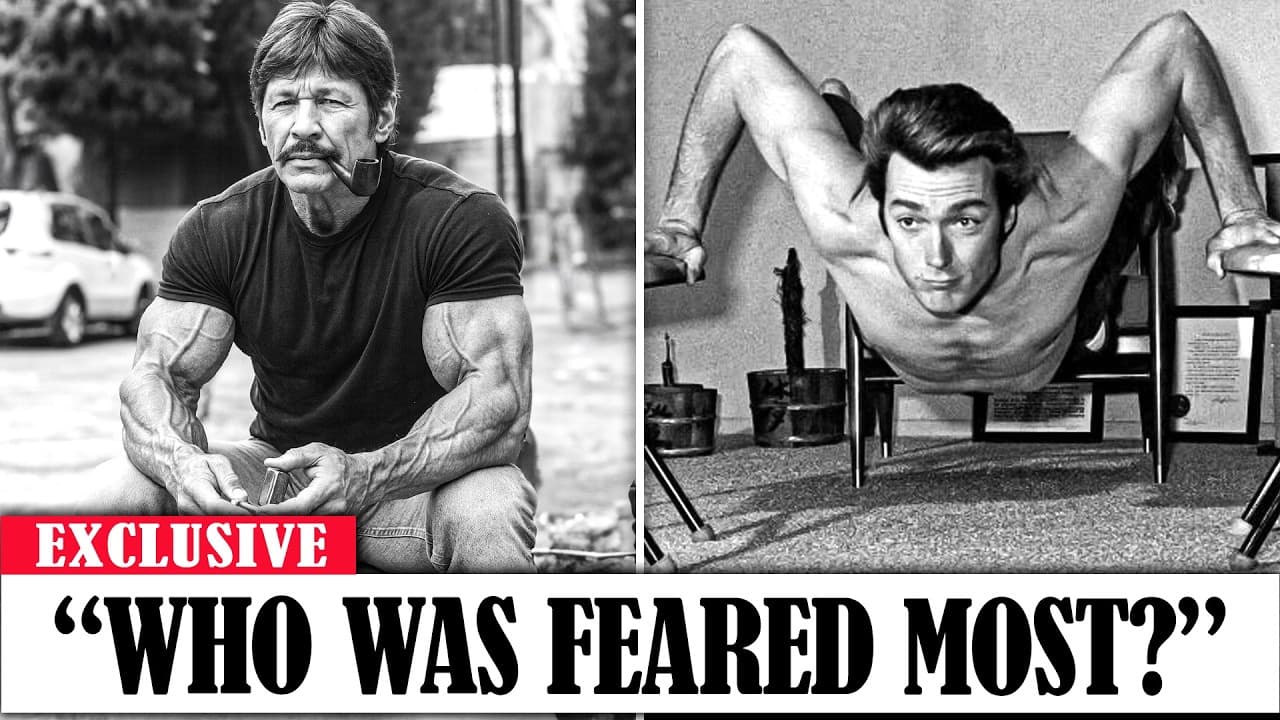
They gained real life toughness through harsh experiences such as prison time, war service, poverty, and street fighting, then translated that grit into their performances. The video ranks ten actors by authenticity and presence, highlighting scars, medals, and battles that informed their on screen grit and off screen resilience. Each entry shows toughness as lived experience, not just acting.
Transcript
The 10 toughest actors in Hollywood history. Some actors played tough. These men were tough on screen and off. They weren't just following scripts. They were drawing from real scars, real fights, and real battles. Behind the cameras, they faced wars, prison cells, street brawls, and near-death stunts. They didn't need to act because life had alread... Read More
Key Insights
- Robert Mitchum gained real scars and a wartime mindset that informed his calm, dangerous screen presence.
- Charles Bronson’s coal mining background and WWII service gave him efficient, believable on screen punch delivery.
- John Wayne endured painful stunts and cancer related injuries, continuing work with little complaint, shaping his legendary toughness.
- James Kagny’s street fighting background translated into precise, explosive movements that looked authentic on camera.
- Anthony Quinn combined boxing with physically demanding stunts and emotional depth to portray strength convincingly.
- Kirk Douglas’s wrestling background and Navy service created endurance and resilience that fed into his tough on screen characters.
- The performers’ off screen hardships, including poverty, tenements, and family struggles, contributed to their fearlessness and authenticity.
- The video argues that true toughness comes from real life experience as much as from acting ability.
Install to Summarize YouTube Videos and Get Transcripts
Explore YouTube Video Summarizer or Get YouTube Transcript Extractor
Questions & Answers
Q: What real life experiences contributed to Robert Mitchum's toughness on screen
Robert Mitchum had a life of real hardship before acting. He was a Georgia chain gang prisoner at 16 and a freight train hopper during the Depression, boxing under fake names for food money. These experiences hardened him and informed his sleepy eyed, calm on screen presence, which co stars described as unsettling because it felt real, not theatrical. His prison time and street life carried into his acting technique, making his performance feel authentic and dangerous rather than manufactured.
Q: How did Charles Bronson's background influence his on screen fighting style
Charles Bronson grew up as a coal miner from a large family and served as a B29 tail gunner in World War II, earning a Purple Heart. His background exposed him to brutal labor and combat, which shaped his efficient, no nonsense punch delivery. Off screen he carried the same restrained energy; on screen his moves were precise and controlled, reflecting years of real world experience rather than stylized fighting.
Q: What hardships did John Wayne endure that affected his acting toughness
John Wayne worked through early life hardship with physical labor before fame, including carrying heavy props and building sets. He endured broken ribs during a horse stunt at the Alamo and later underwent cancer treatment that required lung removal and rib removal. He returned to stunt work soon after, choosing to do his own stunts when offered a double, demonstrating a willingness to endure pain for performance continuity and authenticity.
Q: In what way did James Kagny demonstrate real life toughness on screen
James Kagny grew up in Manhattan's Lower East Side and fought daily as a street fighter. He translated this experience into believable screen presence with movements that were sharp and precise, not theatrical. His real fighting background allowed him to choreograph violence with the timing of a dancer and the impact of a street brawler, making his performances convincingly tough.
Q: How did Anthony Quinn's life experiences shape his strength on screen
Anthony Quinn was born during the Mexican Revolution and worked as a butcher’s assistant and laborer from a young age. He also boxed professionally, earning a reputation for real punching power and carrying heavy logs during shoots. This blend of brutal work, boxing, and physical stamina gave him a strength on screen that could be both raw and emotionally expressive, not just muscular.
Q: What role did Kirk Douglas's background play in his resilience
Kirk Douglas came from a poor background and fought for every inch of success, including a wrestling scholarship and naval service in World War II. He survived a helicopter crash and recovered from a stroke, showing extraordinary resilience. This combination of physical grit and perseverance fed his screen persona, making him appear unbreakable and intensely determined in his tough guy roles.
Q: Why does the video emphasize lived experience over acting class for toughness
The video argues toughness comes from lived experience: war, poverty, prison time, and real street fighting. It highlights that many of these actors did their own dangerous stunts, faced real danger, or endured hardship off screen. This background produced performances that felt earned and authentic, as opposed to simply following an acting curriculum or script.
Q: What common thread links the actors featured in the video
The common thread is authentic, lived grit that informs their on screen presence. Each actor is shown as having faced serious life challenges—war, poverty, family hardship, and real violence—which translated into a palpable realism in their performances. This authenticity creates a memorable sense of toughness that goes beyond typical screen portrayals.
Summary & Key Takeaways
-
A selection of ten actors is presented as models of real world toughness, drawn from lives of hardship and danger that shaped their screen presence.
-
The narration emphasizes authentic experiences such as combat, prison, street fighting, and brutal jobs that informed their acting styles.
-
Overall, toughness is framed as a combination of lived adversity and professional craft that transcends on screen portrayals.
Read in Other Languages (beta)
Share This Summary 📚
Summarize YouTube Videos and Get Video Transcripts with 1-Click
Try YouTube Summary with ChatGPT & Claude or YouTube Transcript Generator
Explore More Summaries from Legacy News 📚



Summarize YouTube Videos and Get Video Transcripts with 1-Click
Try YouTube Summary with ChatGPT & Claude or YouTube Transcript Generator