Why Asking 'What Happened to You?' Transforms Relationships
TL;DR
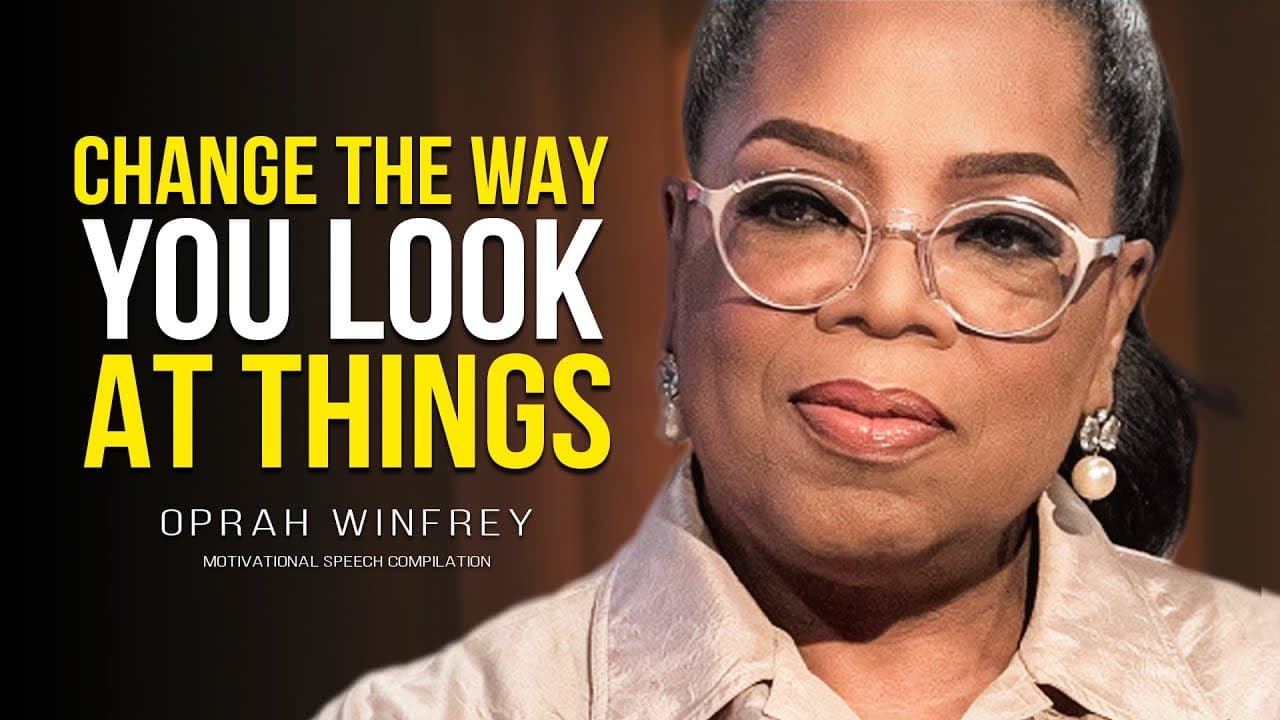
Asking 'what happened to you?' instead of 'what's wrong with you?' fosters empathy and understanding in relationships. This perspective shift reveals that individuals' behaviors are shaped by their past experiences, leading to deeper connections. Recognizing the influence of these experiences can significantly enhance our approach to supporting and relating to others.
Transcript
why is it so important to make this switch from us thinking what is wrong with you to what happened to you well let me answer that because I first came across this question what happened to you when I was doing an interview with Dr Bruce Berry a couple of years ago for 60 Minutes story I was doing now I've known uh Dr Perry for over 30 years I firs... Read More
Key Insights
- ❓ Shifting from "what's wrong with you" to "what happened to you" is essential for better understanding others' actions and experiences.
- 💠 Our worldview and behavior are shaped by our early experiences, emphasizing the importance of nurturing and supporting development.
- 🥰 It is crucial to recognize and appreciate the love and support given by others, even if it does not come from the same people we give love to.
- 🥺 Recognizing the presence of a continuous internal dialogue and stepping out of identification with it can lead to a state of inner peace and present-moment awareness.
- ☢️ The act of active listening without judgment or personal agenda can create a space for deeper connection in relationships.
- 😷 Mental labels and judgments hinder empathy and understanding, while a shift to asking "what happened to you" can foster compassion and growth.
- 🤔 The concept of "awakening" involves stepping out of identification with the stream of thinking and recognizing a deeper dimension of consciousness.
Install to Summarize YouTube Videos and Get Transcripts
Explore YouTube Video Summarizer or Get YouTube Transcript Extractor
Questions & Answers
Q: How did the speaker's interview with Dr. Bruce Perry change their perspective?
The interview made the speaker realize the significance of asking "what happened to you" instead of assuming what is wrong with someone. It changed the way they saw relationships, personal life, and even politics.
Q: Why is it important to ask about what happened to someone rather than what is wrong with them?
Asking about what happened to someone helps us understand the experiences that shaped them, their mindset, and their actions. It allows for a more empathetic and compassionate approach.
Q: How does the speaker connect their personal experiences to the concept of what happened to you?
The speaker started questioning what they were doing wrong when children with traumatic backgrounds at their school had mental health issues. Dr. Perry's interview helped them understand that the key is to ask about what happened to them, not what is wrong with them.
Q: How does the speaker relate this perspective shift to relationships and love?
The speaker mentions that sometimes people feel like they give more love than they receive. Understanding what happened to others and recognizing those who have loved and supported us can help bridge this gap in perception.
Summary & Key Takeaways
-
The speaker had a transformative realization during an interview with Dr. Bruce Perry, understanding the importance of asking "what happened to you" instead of assuming what is wrong with someone.
-
This shift in perspective applies not only to children but to everyone, as our worldview and behaviors are shaped by our early experiences.
-
Understanding what happened to someone allows for a deeper understanding of their actions and emotions, emphasizing empathy and compassion.
Read in Other Languages (beta)
Share This Summary 📚
Summarize YouTube Videos and Get Video Transcripts with 1-Click
Try YouTube Summary with ChatGPT & Claude or YouTube Transcript Generator
Explore More Summaries from Motivation Ark 📚

Summarize YouTube Videos and Get Video Transcripts with 1-Click
Try YouTube Summary with ChatGPT & Claude or YouTube Transcript Generator