How Russia Targets Ukraine's Energy Infrastructure
TL;DR
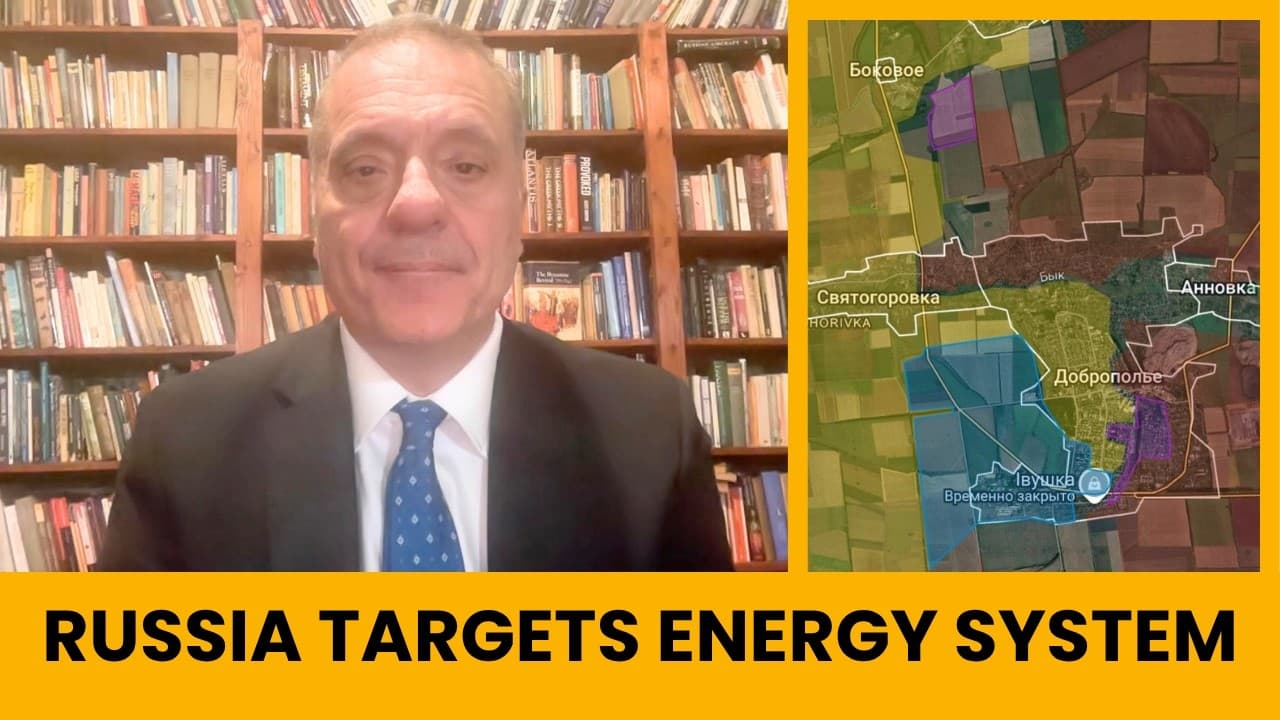
Russia's recent strikes on Ukraine's energy infrastructure, including the Kyivska electrical substation, have caused widespread blackouts. The attacks aim to weaken Ukraine's power grid, exploiting a global transformer shortage that hampers repairs. Rather than seeking regime change, Russia's strategy focuses on hollowing out Kiev, disrupting its energy and industrial capabilities, and preparing for a decisive campaign.
Transcript
Good day. Today is Wednesday, 30th September, 2026. And before I proceed with this program, let me remind you to tick the like button and to check your subscription to this channel. Well, last night and indeed continuing this morning, the Russians have conducted another major strike on Ukraine with the major target, the major place that they have b... Read More
Key Insights
- Russia's strikes targeted key energy facilities in Kiev, including the Kyivska electrical substation, Tripilska thermal plant, and a hydro station.
- The Kyivska substation is crucial for connecting Ukraine's western and eastern power grids, making it a strategic target.
- A global shortage of transformers complicates Ukraine's ability to repair damaged energy infrastructure quickly.
- Russia's strategy focuses on hollowing out Kiev, aiming to disrupt its energy and industrial capabilities without toppling the government.
- The attacks are part of a broader campaign initiated by Russia since October 2022 to prepare for a decisive offensive.
- Ukraine's interception claims are questioned due to the limited number of air defense interceptors available.
- The attacks have caused blackouts extending from Kiev to the Donbass, highlighting the substation's importance.
- Russia's economic stability, bolstered by increased crude oil exports, supports its ongoing military operations.
Install to Summarize YouTube Videos and Get Transcripts
Explore YouTube Video Summarizer or Get YouTube Transcript Extractor
Questions & Answers
Q: How does the Kyivska electrical substation impact Ukraine's power grid?
The Kyivska electrical substation is a pivotal component of Ukraine's power grid, acting as a key junction that connects the western and eastern sections of the grid. Its role in receiving and redirecting electricity from power plants, including nuclear stations in western Ukraine, makes it critical for maintaining power distribution throughout the country.
Q: Why is there a transformer shortage affecting Ukraine's repairs?
A global shortage of transformers, exacerbated by reduced production over the years and increased demand, complicates Ukraine's ability to repair its damaged energy infrastructure. This shortage is particularly challenging as the Kyivska substation, built with Soviet technology, may not be compatible with Western transformers, making repairs even more difficult.
Q: What is Russia's strategic objective in targeting Kiev's energy infrastructure?
Russia aims to hollow out Kiev by disrupting its energy and industrial capabilities, rather than seeking regime change. This strategy involves targeting key infrastructure to cause blackouts and weaken the city's operational capacity, ultimately isolating it and making it more vulnerable to future military actions.
Q: How have Russia's attacks affected Ukraine's energy system?
Russia's recent strikes have significantly impacted Ukraine's energy system, causing widespread blackouts from Kiev to the Donbass. By targeting key facilities like the Kyivska electrical substation, Russia has disrupted the power grid's functionality, highlighting the strategic importance of these attacks in weakening Ukraine's overall energy infrastructure.
Q: What role does the global transformer shortage play in Ukraine's defense?
The global transformer shortage hampers Ukraine's ability to quickly repair its damaged power infrastructure, leaving critical facilities vulnerable to repeated attacks. This shortage affects not only Ukraine but also other countries, making it a significant factor in the ongoing conflict by limiting repair and recovery efforts.
Q: How does Russia's economic situation support its military campaign?
Russia's economic stability, bolstered by booming crude oil exports due to the Middle East crisis, provides financial resources to sustain its military operations. This economic strength allows Russia to continue its strategic campaigns, including the recent energy infrastructure attacks on Ukraine, without facing immediate financial constraints.
Q: What is the significance of the recent blackouts in Ukraine?
The recent blackouts in Ukraine, extending from Kiev to the Donbass, underscore the strategic impact of Russia's attacks on key energy infrastructure. These blackouts highlight the vulnerability of Ukraine's power grid and the effectiveness of Russia's strategy to weaken Ukraine's energy capabilities, creating challenges for both civilian and military operations.
Q: Why is Russia not seeking regime change in Kiev?
Russia's strategy does not focus on regime change in Kiev, as it recognizes the strong internal security structures supporting the current government. Instead, Russia aims to hollow out Kiev by targeting its energy and industrial infrastructure, creating conditions for isolation and vulnerability without directly attempting to overthrow the government.
Summary & Key Takeaways
-
Russia's recent strikes on Ukraine's energy infrastructure, particularly the Kyivska electrical substation, have led to significant blackouts from Kiev to the Donbass. The substation is a critical junction for Ukraine's power grid, and its damage highlights a strategic aim to weaken Ukraine's energy capabilities.
-
A global shortage of transformers poses a challenge for Ukraine in repairing its damaged infrastructure, complicating efforts to restore power. Russia's attacks are part of a long-term strategy to disrupt Kiev's energy and industrial sectors, aiming to hollow out the city rather than overthrow its government.
-
This campaign reflects Russia's broader military strategy that has been developing since October 2022. Despite Ukraine's claims of intercepting missiles, the effectiveness of their air defenses is questioned, and Russia's economic strength, fueled by increased oil exports, underpins its military actions.
Read in Other Languages (beta)
Share This Summary 📚
Summarize YouTube Videos and Get Video Transcripts with 1-Click
Try YouTube Summary with ChatGPT & Claude or YouTube Transcript Generator
Explore More Summaries from Alexander Mercouris 📚





Summarize YouTube Videos and Get Video Transcripts with 1-Click
Try YouTube Summary with ChatGPT & Claude or YouTube Transcript Generator