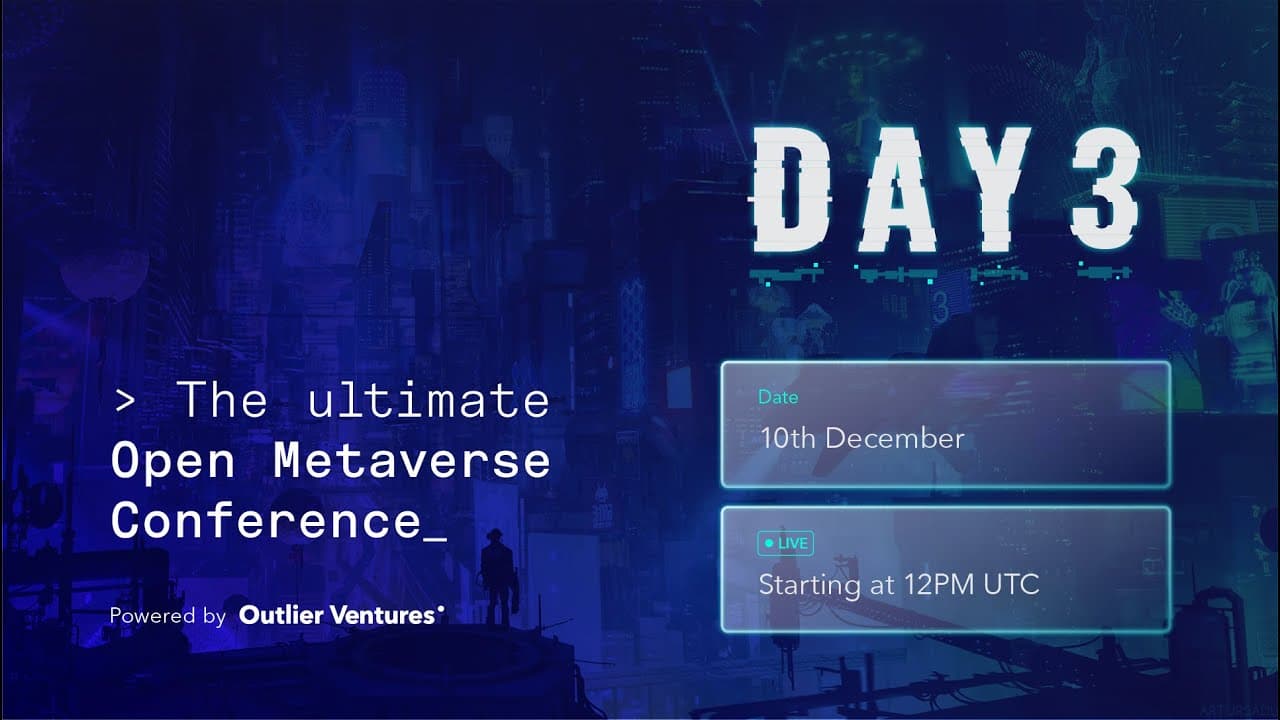
Diffusion Day 3: How Can Developers Build on Polkadot Beyond Parachains? // December 2021 // Open Metaverse
TL;DR
Developers can build on Polkadot beyond obtaining a parachain by creating applications and infrastructure on layer-one solutions such as Astar and Moonbeam. Presented during Diffusion Day 3 in December 2021, the panel describes Polkadot as a layer-zero “internet of blockchains” centered on interoperability, including cross-chain computation and bridges to ecosystems such as Bitcoin and Ethereum. Read on to understand parachains, Substrate, and the broader Polkadot ecosystem.
Transcript
I think you know this is a historic change in the ability to collaborate together the technology is mind-blowing I think we're going to see something truly open beautiful uh metaverse in the metaverse metaverse the tech industry battle is taking shape over the metaverse the metaverse is an interoperable open platform this means no one company or or... Read More
Key Insights
- 💤 Gen Z favors digital assets like NFTs and crypto over traditional investments.
- 👤 User-friendly interfaces are crucial for engaging younger investors in Web3 investments.
- 🪡 Customizable blockchain solutions can address the unique needs and preferences of younger generations.
Install to Summarize YouTube Videos and Get Transcripts
Explore YouTube Video Summarizer or Get YouTube Transcript Extractor
Questions & Answers
Q: How can developers build on Polkadot beyond parachains?
The panel says there are many ways to build on Polkadot, despite the common belief that obtaining a parachain is the only route. Developers can build applications and infrastructure on parachains such as Astar and Moonbeam, which operate as layer-one solutions within the Polkadot ecosystem.
Q: What is Polkadot?
Luis describes Polkadot as an “internet of blockchains” and, in more technical terms, a layer-zero solution. Different layer-one blockchains can operate on top of it and interact within its ecosystem.
Q: What are parachains in the Polkadot ecosystem?
Parachains are the layer-one blockchains that operate on top of Polkadot. Astar and Moonbeam are given as examples, and developers can build applications and infrastructure on them.
Q: Do developers need to win an auction to build on Polkadot?
No. Although obtaining a parachain involves an auction and crowdloans, the panel explicitly says that there are many other ways to build on Polkadot.
Q: What is Polkadot’s main interoperability feature?
Polkadot enables parachains to connect and interact with other parachains and with the layer-zero Polkadot network. Its interoperability extends beyond token or value transfers to cross-chain computation, allowing blockchains to read and trust outputs from other blockchains.
Q: What role does Substrate play in Polkadot?
Substrate is identified as the blockchain framework on which Polkadot is built. It supports the interoperable structure that lets parachains connect and interact across the ecosystem.
Q: Can Polkadot connect with Bitcoin and Ethereum?
Yes. The discussion says Polkadot bridges to other ecosystems, including Bitcoin and Ethereum, as part of its interoperability model.
Q: Who joined the Diffusion Day 3 Polkadot panel?
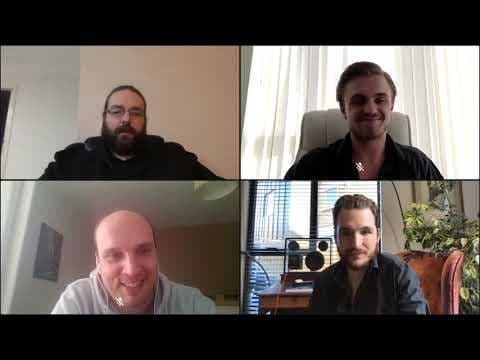
Luis, the program manager of Polkadot Basecamp, introduced the discussion. The panel included Dieter, described as head of ecosystem and development at Webster Foundation; Nate, director of business development at Moonbeam; and Sota, founder of Astar.
Summary & Key Takeaways
-
Gen Z prefers digital assets over traditional investments like savings accounts and mutual funds.
-
Younger generations look for short-term tangible returns, focusing on high-risk investments like crypto and gambling.
-
Improving user experience and addressing barriers to entry in Web3 investments can attract more young investors.
Read in Other Languages (beta)
Share This Summary 📚
Summarize YouTube Videos and Get Video Transcripts with 1-Click
Try YouTube Summary with ChatGPT & Claude or YouTube Transcript Generator
Explore More Summaries from Outlier Ventures 📚

Summarize YouTube Videos and Get Video Transcripts with 1-Click
Try YouTube Summary with ChatGPT & Claude or YouTube Transcript Generator