What Is the Loner's Path in Philosophy?
TL;DR
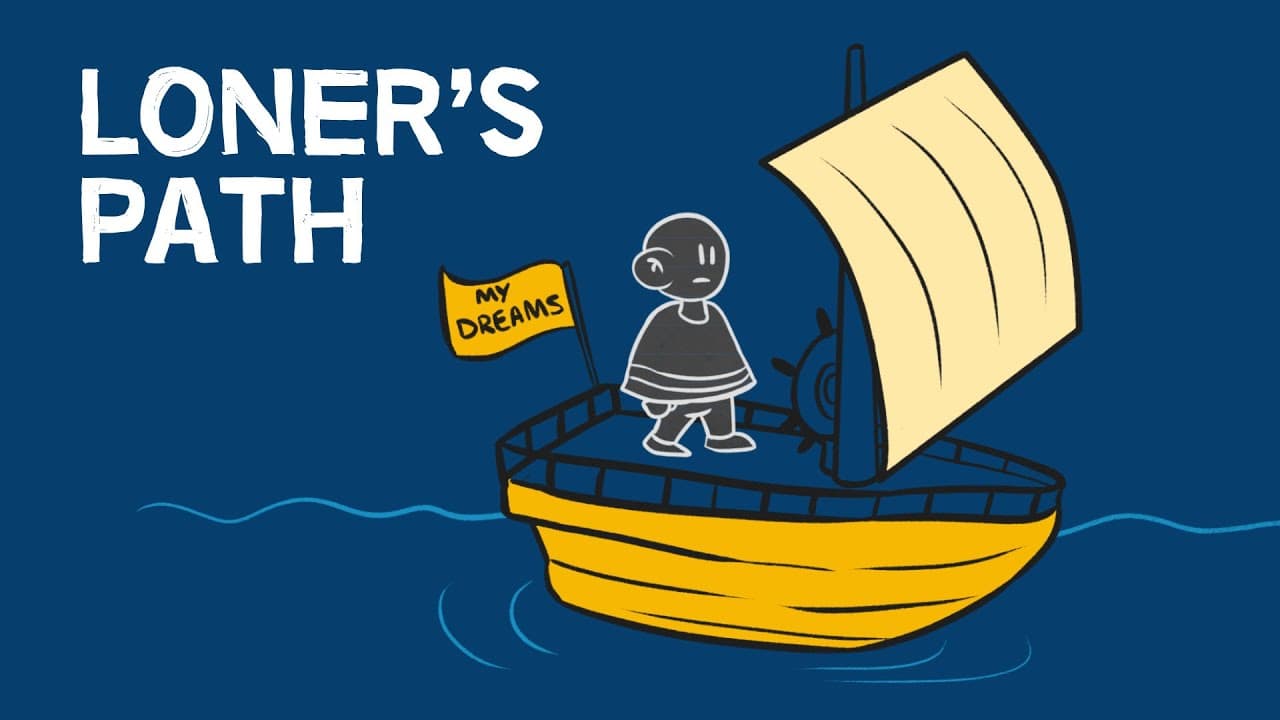
The loner's path in philosophy emphasizes nonconformity and individuality, urging people to trust their inner voice over societal norms. Philosophers like Emerson, Nietzsche, and Camus advocate for creating one's own values and embracing the challenges that come with defying convention, as illustrated by the character Meursault in Camus' 'The Stranger'.
Transcript
The Loner’s Path | Philosophy for Non-conformists The path of nonconformity is alluring to those who don’t seek to follow the herd known as a society. Instead, they want to make unique individual choices in life, disregarding other people’s opinions and defying society’s norms. And in doing so, they follow their inner compass, their own definitions... Read More
Key Insights
- 💄 Nonconformity involves making unique individual choices in defiance of societal norms.
- ❓ The character of Meursault in "The Stranger" represents a true loner who remains unapologetically himself.
- 🤳 Emerson's concept of self-reliance emphasizes trusting one's inner voice above societal influences.
- 🥅 Nietzsche's idea of the 'overman' involves creating one's own values and goals, transcending societal norms.
- 🥺 Nonconformity can lead to social disapproval, ridicule, ostracism, and even trouble with authorities.
- 🥺 Conforming to societal norms may provide comfort but can lead to the betrayal of one's inner compass.
- 😀 The loner's path requires strength and willingness to face societal disapproval, remaining true to one's individuality.
Install to Summarize YouTube Videos and Get Transcripts
Explore YouTube Video Summarizer or Get YouTube Transcript Extractor
Questions & Answers
Q: What is the significance of nonconformity in society?
Nonconformity challenges societal norms, allowing individuals to make unique choices and follow their inner voices, despite facing resistance and disapproval.
Q: How does Nietzsche's concept of the 'overman' differ from Emerson's idea of self-reliance?
The overman transcends societal and religious morals to create individual values, while self-reliance involves trusting one's inner voice above societal influences.
Q: How does the character of Meursault in "The Stranger" embody the loner's path?
Meursault defies social norms, remains true to himself, and faces societal condemnation, showcasing the challenges of nonconformity in society.
Q: Why is nonconformity often met with resistance and disapproval?
Nonconformity challenges established norms and threatens the comfort of societal conventions, leading to ridicule, ostracism, and even trouble with authorities.
Summary & Key Takeaways
-
Nonconformity, as explored by Emerson, Nietzsche, and Camus, involves making unique individual choices in life, defying societal norms.
-
The character of Meursault in Camus' "The Stranger" exemplifies a true loner who remains unapologetically himself, facing societal disapproval.
-
The concept of the 'overman' by Nietzsche emphasizes creating one's own values, breaking free from societal norms towards self-reliance.
Read in Other Languages (beta)
Share This Summary 📚
Summarize YouTube Videos and Get Video Transcripts with 1-Click
Try YouTube Summary with ChatGPT & Claude or YouTube Transcript Generator
Explore More Summaries from Einzelgänger 📚



Summarize YouTube Videos and Get Video Transcripts with 1-Click
Try YouTube Summary with ChatGPT & Claude or YouTube Transcript Generator