How to start small and beat laziness today
TL;DR
Lower the bar to begin with a tiny action, then build rituals and a dopamine detox to push through laziness. Momentum comes from doing the smallest step, creating cues, and replacing cheap rewards with real energy. Over time these micro-progresses compound into lasting discipline.
Transcript
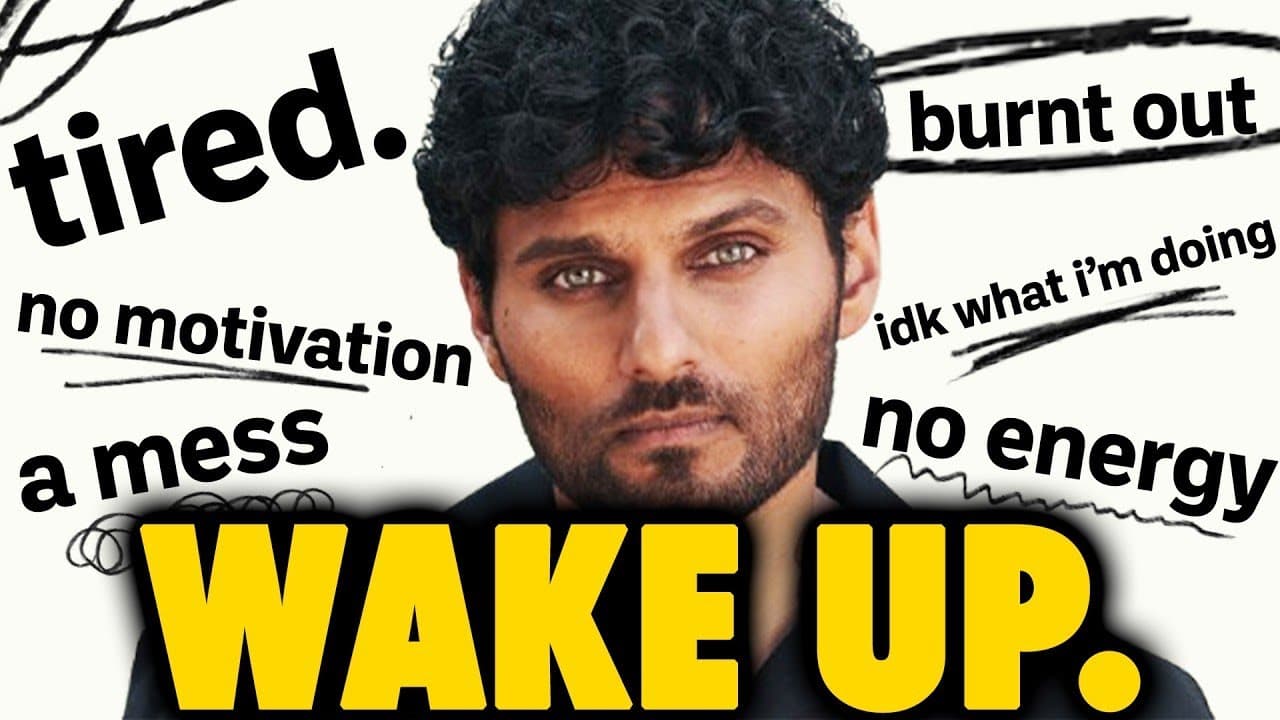
I was lost, lazy, and unmotivated until I did this. What I'm about to share with you today is a stepbystep formula for how to not be lazy, to find motivation, to discover discipline, and actually make a shift in your life. Now, if you don't, you can often get into the spiral of feeling like you're ruining everything. Let me break it down for you. I... Read More
Key Insights
- Lowering the bar to start is a core technique that reduces activation energy, enabling the first step to feel almost inevitable and setting a momentum loop in motion.
- Momentum, not motivation, drives long term change, because the activation barrier decreases once the initial action is taken and progress begins.
- Rituals create reliable associations that cue productive states, so performance becomes more automatic and less dependent on willpower or momentary inspiration.
- The tiny habits effect shows habits stick when they begin smaller than resistance, so success breeds further success through consistent micro wins.
- Dopamine detox helps reset the brain for effort by reducing cheap rewards, allowing real work to feel more rewarding over time.
- Add friction to bad habits by distance and disruption, making it harder to engage with distractions and easier to sustain deep work.
- Relearning boredom is a reset button; embracing it helps you reclaim focus, turning quiet moments into spaces for productive thought and action.
- Consistency compounds into results because repeated small commitments build trust and capability, not just isolated bursts of effort.
Install to Summarize YouTube Videos and Get Transcripts
Explore YouTube Video Summarizer or Get YouTube Transcript Extractor
Questions & Answers
Q: How to start small when you feel stuck and lazy
To start small when you feel stuck, lower the bar to a task so easy it feels ridiculous not to do it, such as putting on your shoes or opening a document. This initial action reduces the activation barrier, kicks off dopamine signaling, and creates momentum. Once movement begins, you can extend from there to the next tiny step, gradually building a chain of micro wins that rewire your self-belief and establish a pattern of consistency over time.
Q: What is the role of rituals in building productivity
Rituals substitute willpower with consistent cues that trigger productive states. By using the same cue before the same task every day—like a specific playlist, coffee mug, or location—you create Pavlovian associations that make focus automatic. Over time these cues are linked to performance, so you can start working with less mental friction and more reliable routine.
Q: How does a dopamine detox function in this framework
A dopamine detox resets sensitivity to effort by removing cheap rewards such as endless scrolling and junk food for a period. This helps real work feel more rewarding when you return to it, because your brain is not constantly flooded with quick hit rewards. After the detox, activities like reading, writing, or lifting feel more engaging and sustainable.
Q: Why is breaking the dopamine cycle important for consistency
Breaking the dopamine cycle matters because cheap rewards create an energy drain and reduce motivation for long term goals. By substituting real rewards that require effort, you restore energy for meaningful work. This shift reduces burnout, increases focus, and supports a steady progression toward discipline rather than sporadic bursts.
Q: What does adding friction to bad habits accomplish
Adding friction makes bad habits harder to perform and reduces the chance of mindless engagement. Examples include leaving the phone in another room or logging out at night. This distance helps you protect deep work time, break habitual scrolling, and create more room for intentional, quality tasks that contribute to your goals.
Q: How can one replace quick dopamine with meaningful activities
Replace quick dopamine with activities that require effort but yield longer term energy, such as moving your body, cooking, or calling a friend. These actions provide real rewards and improve mood and focus without the crash associated with instant gratification. Over time, the brain learns to associate effort with positive outcomes.
Q: What does ‘relearning boredom’ imply for focus
Relearning boredom means viewing moments of quiet or lack of stimulation as opportunities to reset and refocus. It helps you resist the urge to seek constant entertainment, making space for deeper work. By embracing boredom, you train your mind to stay present with tasks, improving concentration and productive capacity.
Q: How does this approach affect long term discipline and confidence
The approach builds discipline through small, repeatable actions that prove you can follow through. Each completed tiny task reinforces self trust, forming a confidence loop where you believe in your ability to show up. Over time, consistency compounds into reliable performance, reducing reliance on motivation alone.
Summary & Key Takeaways
-
Lowering the initial bar makes starting effortless, helping you bypass resistance and create early wins. This primes your brain for ongoing action by linking small tasks to a positive feedback loop that builds consistency over time.
-
Rituals replace willpower by attaching cues to tasks, so productivity becomes automatic rather than a result of wanting to exert huge effort. Consistency grows as the brain learns to associate familiar cues with focused work.
-
Dopamine management is key to lasting change: replace cheap rewards with meaningful actions and introduce friction to reduce distraction, enabling deeper, more meaningful work and gradual, sustainable discipline.
Read in Other Languages (beta)
Share This Summary 📚
Summarize YouTube Videos and Get Video Transcripts with 1-Click
Try YouTube Summary with ChatGPT & Claude or YouTube Transcript Generator
Explore More Summaries from Jay Shetty Podcast 📚





Summarize YouTube Videos and Get Video Transcripts with 1-Click
Try YouTube Summary with ChatGPT & Claude or YouTube Transcript Generator