What Did George Hotz Learn During His Twitter Internship?
TL;DR
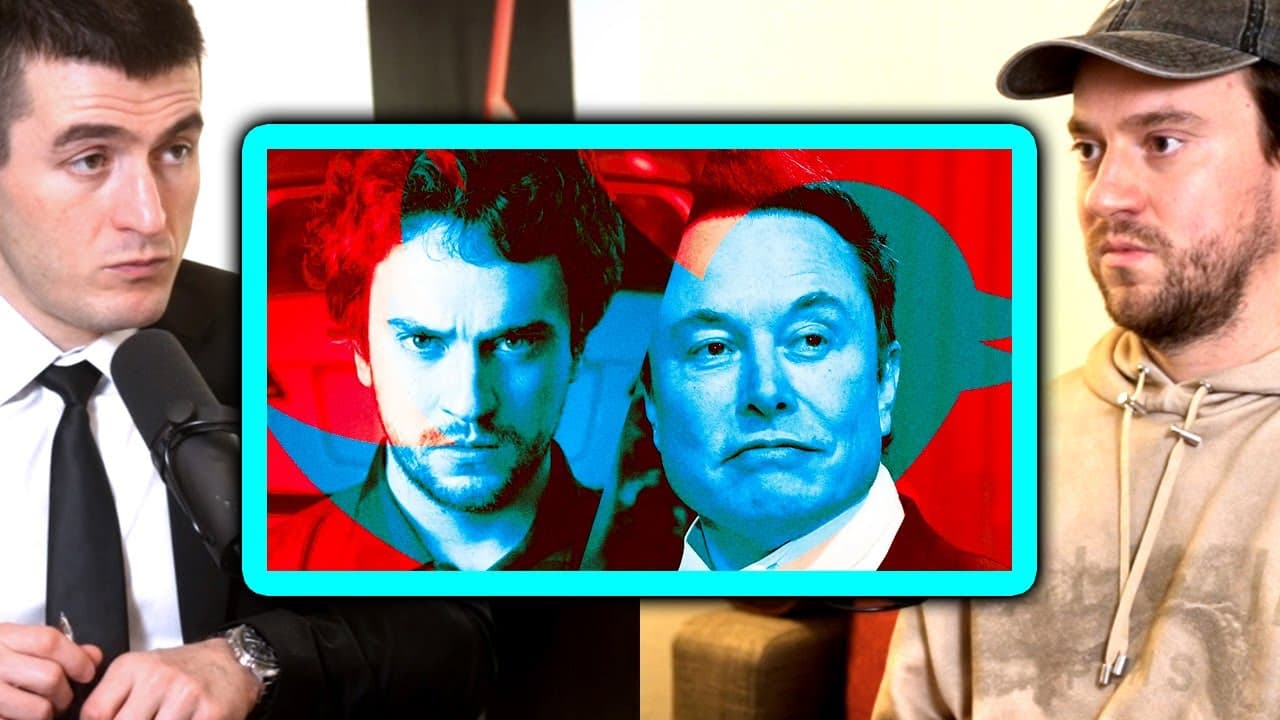
George Hotz reflects on his Twitter internship, highlighting the platform's reliance on outrage-driven algorithms and the challenges of legacy code. He emphasizes the need for software refactoring before adding new features and advocates for a more principled approach to free speech on social media, allowing users to have better control over their content consumption.
Transcript
he worked at Twitter for a bit I did as an intern the world's greatest intern all right there's been better that's been better uh tell me about your time at Twitter how did it come about and what did you did you learn from the experience so I deleted my first Twitter in 2010 I had a hundred thousand followers back when that actually meant something... Read More
Key Insights
- ◼️ The algorithmic rewards on social media platforms often prioritize outrage and drama, leading to a lack of constructive content.
- 🫡 The narrator emphasizes the importance of technical understanding and respect for individuals who share valuable technical content.
- 🥶 There is a need for a more principled commitment to free speech on social media platforms, allowing individuals to control the content they consume.
- 🎙️ More videos with George Hotz:
Install to Summarize YouTube Videos and Get Transcripts
Explore YouTube Video Summarizer or Get YouTube Transcript Extractor
Questions & Answers
Q: How did the narrator's time at Twitter come about, and what did he learn from the experience?
The narrator joined Twitter as an intern and gained insights into the platform's algorithmic reward system and the prevalence of outrage and drama. He learned the importance of following people who share technical content and gained respect for individuals with deep technical understanding.
Q: What are the narrator's thoughts on the algorithmic rewards of social media platforms?
The narrator believes that the algorithmic rewards focus on promoting outrage and drama, which may not be beneficial for individuals consuming such content. He suggests that these platforms should prioritize constructive and technical content instead.
Q: How does the narrator view the connection between working at Twitter and the criticism associated with it?
The narrator mentions receiving a significant amount of hate on Twitter for working at the company, particularly due to the association with Elon Musk. He acknowledges the volatility of being political or attacking others on the platform and highlights the need for a more principled commitment to free speech.
Q: What is the narrator's opinion on the codebase and engineering practices at Twitter?
The narrator suggests that Twitter's codebase needs significant refactoring, with a focus on adding tests and simplifying the architecture. He believes that the company should prioritize refactors before adding new features to improve the codebase's quality and efficiency.
Summary & Key Takeaways
-
The narrator discusses his experience working at Twitter as an intern and the criticism he received for working at the company.
-
He talks about the algorithmic rewards of social media platforms and the focus on outrage and drama, which he believes is not constructive for users in the long term.
-
The narrator expresses his thoughts on the need for a principled commitment to free speech, transparency in content control, and individualized filtering options for users.
Read in Other Languages (beta)
Share This Summary 📚
Summarize YouTube Videos and Get Video Transcripts with 1-Click
Try YouTube Summary with ChatGPT & Claude or YouTube Transcript Generator
Explore More Summaries from Lex Clips 📚



Summarize YouTube Videos and Get Video Transcripts with 1-Click
Try YouTube Summary with ChatGPT & Claude or YouTube Transcript Generator