How to Create Unique Businesses: Lessons from Peter Thiel
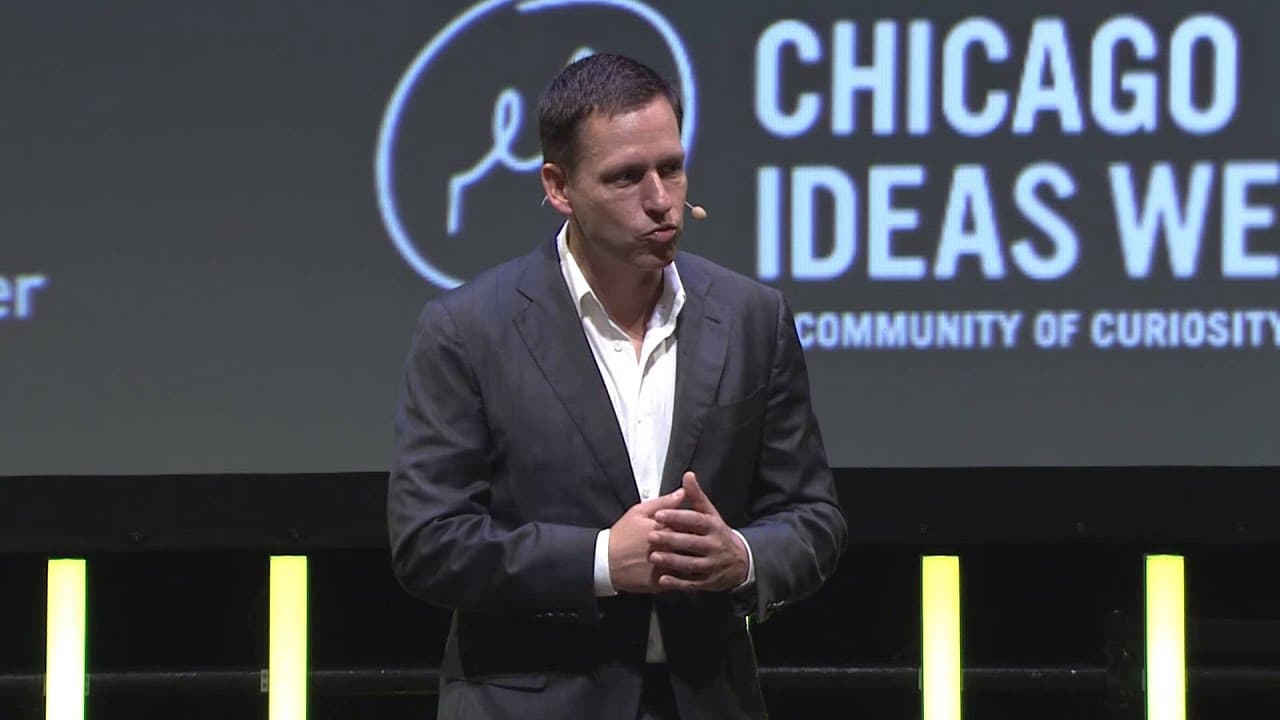
TL;DR
Peter Thiel argues that successful businesses are unique and should aim for monopolies rather than competition. He believes that every great company is one of a kind, and that the key to success lies in finding and exploiting secrets that others have overlooked. Thiel emphasizes the importance of originality and contrarian thinking in entrepreneurship.
Transcript
in uh teaching entrepreneurship or writing about entrepreneurship uh it's it's there's a big challenge in it because I think there is uh no single formula as you could tell from the last few speakers it's it's always a very very different story um and I think every moment in the history of business every moment in the history of Technology happens ... Read More
Key Insights
- Peter Thiel believes that every successful company is unique and should aim for a monopoly rather than competing in a crowded market.
- Thiel argues that capitalism and competition are antonyms, as real capitalists seek to accumulate capital, not compete away profits.
- He suggests that people often disguise their monopolies to avoid scrutiny or inflate their market presence to attract investment.
- Thiel emphasizes the importance of contrarian thinking and finding secrets that others have not yet discovered as keys to innovation.
- He highlights the psychological challenges of breaking away from competition and conventional paths, which often hinder original ideas.
- Thiel identifies a societal tendency to imitate rather than innovate, which can lead to missed opportunities for groundbreaking ideas.
- He distinguishes between globalization and technological innovation, advocating for a balance to ensure sustainable progress.
- Thiel challenges the notion of a 'developed world,' urging continuous innovation to avoid stagnation and improve living standards.
Install to Summarize YouTube Videos and Get Transcripts
Explore YouTube Video Summarizer or Get YouTube Transcript Extractor
Questions & Answers
Q: How does Peter Thiel define a successful company?
Peter Thiel defines a successful company as one that is unique and aims for a monopoly rather than engaging in competition. He believes that successful companies differentiate themselves by discovering and exploiting secrets that others have overlooked. Thiel argues that capitalism and competition are antonyms, as true capitalists seek to accumulate capital, not compete away profits.
Q: Why does Peter Thiel believe competition is not ideal for businesses?
Peter Thiel believes that competition is not ideal for businesses because it leads to profits being competed away, thereby reducing the potential for capital accumulation. He argues that capitalism and competition are antonyms, as real capitalists aim to create monopolies and unique businesses that stand apart from the competition. Thiel emphasizes the importance of originality and contrarian thinking.
Q: What is the significance of 'secrets' in Thiel's entrepreneurial philosophy?
In Thiel's entrepreneurial philosophy, 'secrets' are undiscovered truths that can provide a competitive edge and form the basis of a successful business. He believes that finding and exploiting these secrets is key to innovation and creating unique businesses. Thiel encourages entrepreneurs to think contrarily and seek out areas where others have not yet explored or discovered potential opportunities.
Q: How does Thiel differentiate between globalization and technological innovation?
Thiel differentiates between globalization and technological innovation by describing globalization as the process of copying and spreading existing technologies and practices, while technological innovation involves creating new things and advancing beyond existing paradigms. He argues that both are necessary for progress, but emphasizes the need for continuous technological innovation to avoid stagnation and improve living standards.
Q: What challenges does Thiel identify in pursuing original business ideas?
Thiel identifies psychological challenges in pursuing original business ideas, such as the societal tendency to conform and imitate rather than innovate. He highlights the difficulty of breaking away from competition and conventional paths, which often hinders the development of original ideas. Thiel emphasizes the importance of contrarian thinking and the courage to pursue unique and unconventional ideas.
Q: Why does Thiel criticize the notion of a 'developed world'?
Thiel criticizes the notion of a 'developed world' because it implies that no further innovation or progress is needed, leading to stagnation and a potential decline in living standards. He argues that continuous technological innovation is essential to avoid such stagnation and improve living standards. Thiel urges societies to reject the label of 'developed' and strive for ongoing development and innovation.
Q: How does Thiel view the role of technology in future progress?
Thiel views technology as a critical driver of future progress, emphasizing the need for continuous innovation beyond the current focus on IT. He believes that there are many underexplored areas, such as biotech and space technologies, where significant advancements can be made. Thiel argues that balancing technological innovation with globalization is essential for sustainable progress and improving living standards.
Q: What does Thiel suggest about societal tendencies towards imitation?
Thiel suggests that societal tendencies towards imitation can hinder innovation and lead to missed opportunities for groundbreaking ideas. He argues that people are often drawn to conventional paths and competition, which can prevent them from pursuing original and creative ideas. Thiel emphasizes the importance of contrarian thinking and encourages entrepreneurs to break away from imitation and explore unique business opportunities.
Summary & Key Takeaways
-
Peter Thiel emphasizes the importance of creating unique businesses that aim for monopolies rather than competing in crowded markets. He argues that capitalism and competition are opposites, as true capitalists seek to accumulate capital, not compete away profits. Thiel encourages entrepreneurs to think contrarily and find secrets that others have overlooked as keys to innovation.
-
Thiel discusses the psychological challenges of breaking away from competition and conventional paths, which often hinder original ideas. He highlights a societal tendency to imitate rather than innovate, leading to missed opportunities for groundbreaking ideas. Thiel suggests that successful companies differentiate themselves by discovering and exploiting secrets.
-
Thiel distinguishes between globalization and technological innovation, advocating for a balance to ensure sustainable progress. He challenges the notion of a 'developed world,' urging continuous innovation to avoid stagnation and improve living standards. Thiel believes that there are many secrets left to discover, particularly in underexplored areas beyond IT.
Read in Other Languages (beta)
Share This Summary 📚
Summarize YouTube Videos and Get Video Transcripts with 1-Click
Try YouTube Summary with ChatGPT & Claude or YouTube Transcript Generator