How to Start and Navigate Difficult Conversations
TL;DR
Start a difficult conversation by admitting what you do not know, asking for help, and listening without judgment. People can move forward only after they feel heard, so individuals and teams should create space for honest expression, seek context before reacting, and treat discomfort as an opportunity to understand experiences different from their own.
Transcript
all relationships experience tensions and sometimes that tension just has to come out we can't argue and fight forever at some point we have to learn to listen it's only when someone feels heard can we move forward and make the relationship stronger the same is true for a society people want to feel heard and right now african-americans as a commun... Read More
Key Insights
- Difficult conversations are necessary because unresolved tension cannot continue indefinitely, and progress becomes possible only when people feel heard. Listening can strengthen personal relationships, workplace teams, and society by creating room for experiences that participants may not share or initially understand.
- Admitting ignorance is a constructive starting point when it means recognizing a lack of awareness or exposure. Instead of treating missing knowledge as a personal failure, a person can ask how to learn about the issue and approach the conversation with curiosity.
- Fear of judgment prevents many people from asking questions in emotionally loaded situations. Social issues can feel harder to discuss than academic subjects because they carry personal meaning, historical weight, and the risk of saying something that others may find hurtful.
- Speaking up responsibly requires some understanding of what one supports or opposes. Silence can reflect discomfort or uncertainty rather than a lack of empathy, but remaining silent also fails to address the bottled-up frustration created when people repeatedly feel ignored.
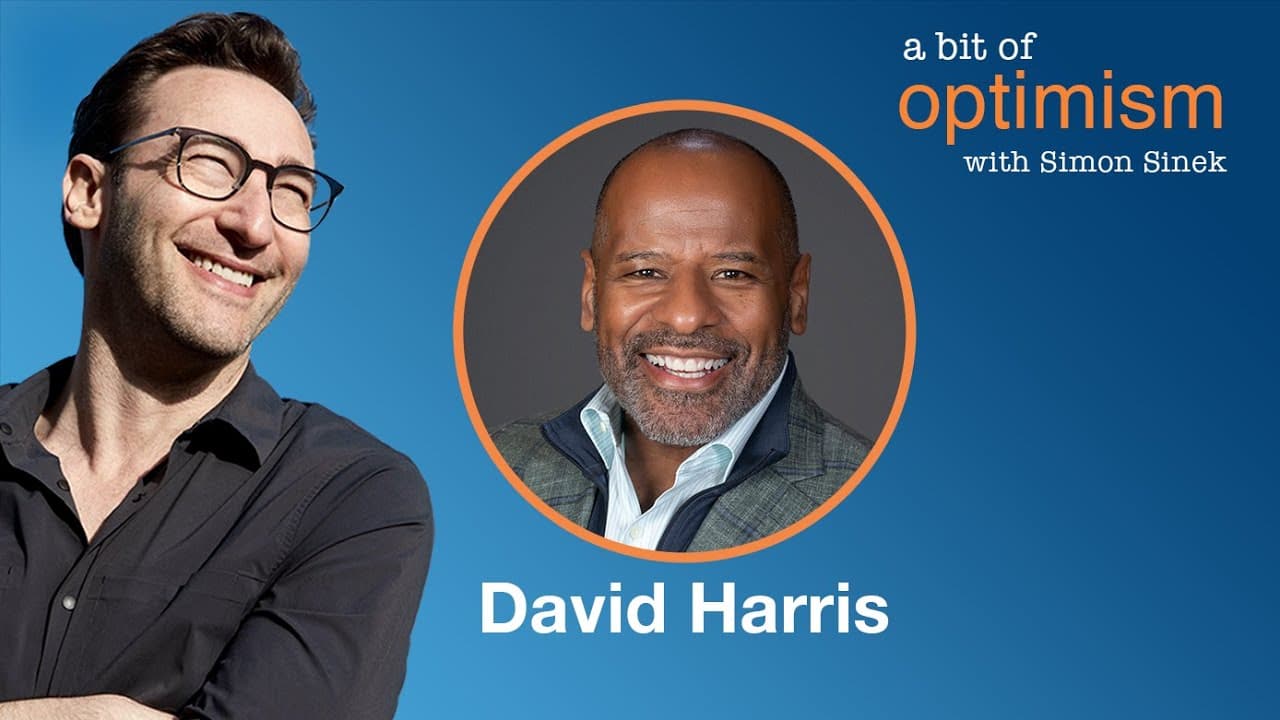
- A direct request for help can establish a productive tone. Simon began his conversation by saying that he was struggling to find the right words and needed David's guidance, signaling that he wanted to learn rather than present a position and demand a response.
- Psychological safety in a team conversation begins with an explicit invitation to speak without judgment. Simon shared his own emotions first, became visibly affected, stopped talking, and allowed anyone who wanted to contribute to speak from the heart and mind.
- Context can transform a potentially triggering comment into an opportunity for understanding. When a colleague questioned whether a photograph of Black employees together might appear exclusionary, David redirected attention toward why minority employees felt a need and pride in gathering for that photograph.
- Listening can develop through experiences of being perceived as different. David described navigating an all-white school during a racially hostile period, as well as overlapping racial and sexual identities, which taught him to study environments carefully and hear what people were actually saying.
Install to Summarize YouTube Videos and Get Transcripts
Explore YouTube Video Summarizer or Get YouTube Transcript Extractor
Questions & Answers
Q: How do you start a difficult conversation when you lack the right words?
Begin by stating your uncertainty directly and asking for help. Simon opened his conversation with David by saying that he was struggling to find the right words and needed guidance. That admission showed that he was not arriving to deliver a fixed opinion or force a response. It created a shared learning space where questions, context, and honest listening could replace performance or defensiveness.
Q: Why is listening important during difficult conversations?
Listening is important because people need to feel heard before a relationship or community can move forward. Difficult conversations are not only opportunities to state positions. They are ways to understand how someone with a different background experiences the world. Listening without immediate judgment can build empathy, reveal missing context, and make the relationship stronger after tension has surfaced.
Q: How can ignorance become a constructive part of a conversation?
Ignorance can be treated as a lack of awareness caused by limited exposure, not as an insult or proof of personal failure. David recommends responding to that gap by asking how to learn. People readily admit that they do not understand subjects such as mathematics or languages, and a similar learning orientation can help them approach unfamiliar human experiences with curiosity and humility.
Q: Why are people afraid to ask questions about sensitive social issues?
People often fear judgment, embarrassment, or being exposed as unaware. Sensitive social issues are also loaded with history, which raises the emotional stakes beyond those of an ordinary learning situation. A person may care deeply and still feel at a loss for words, much like someone who wants to comfort a grieving friend but has never experienced intense grief or loss.
Q: How can leaders create space for difficult team conversations?
Leaders can state that team members may share what is on their hearts and minds without judgment, then model the honesty they are requesting. Simon began his team discussion by describing his own emotional journey and feelings. After speaking openly, he stopped talking and allowed others to contribute voluntarily. David then helped by adding context to their comments rather than judging them.
Q: What should someone do when a comment triggers discomfort?
A triggering or uncomfortable comment can be explored through questions that uncover the experience behind it. When a colleague wondered whether white employees taking a group photograph would be perceived like Black employees doing so, David suggested asking why the Black employees wanted the photograph. That question shifts attention from a surface comparison toward minority status, shared experience, and the pride attached to finding one another.
Q: Why can silence be harmful even when someone fears making a mistake?
Silence can allow injustice and bottled-up frustration to continue, especially when communities have repeatedly experienced others failing to speak up. David agrees that speaking has moral importance, but he also stresses the need to understand what one is supporting or opposing. The goal is not empty speech under pressure. It is informed participation grounded in questions, learning, and careful articulation.
Q: How did David Harris develop his ability to listen closely?
David connects his listening ability to spending much of his life as the person perceived as different. As a child, he entered an all-white school during a racially hostile period and had to understand that unfamiliar environment quickly. As a Black gay man, he also navigated overlapping differences among Black, white, gay, and straight communities. Those challenges taught him to observe from outside situations and listen carefully.
Summary & Key Takeaways
-
Difficult conversations begin more productively when people acknowledge uncertainty instead of pretending to understand. Simon started by telling David that he was struggling to find the right words and needed help. This direct admission created space for learning, questions, and shared exploration rather than debate, defensiveness, or a predetermined response.
-
Listening helps people feel heard, which is necessary for relationships and society to move forward. In a team discussion, Simon shared his feelings first, invited others to speak without judgment, and then stopped talking. David supported the conversation by offering context instead of judging what team members expressed.
-
David connects his listening ability to repeatedly being perceived as different. Entering an all-white school during a racially hostile period and later navigating overlapping racial and sexual identities required him to understand different environments carefully. These difficult experiences helped him observe situations from the outside and listen closely to what people said.
Read in Other Languages (beta)
Share This Summary 📚
Summarize YouTube Videos and Get Video Transcripts with 1-Click
Try YouTube Summary with ChatGPT & Claude or YouTube Transcript Generator
Explore More Summaries from Simon Sinek 📚





Summarize YouTube Videos and Get Video Transcripts with 1-Click
Try YouTube Summary with ChatGPT & Claude or YouTube Transcript Generator