How the Iran Deal Impacts Global Economy Stability
TL;DR
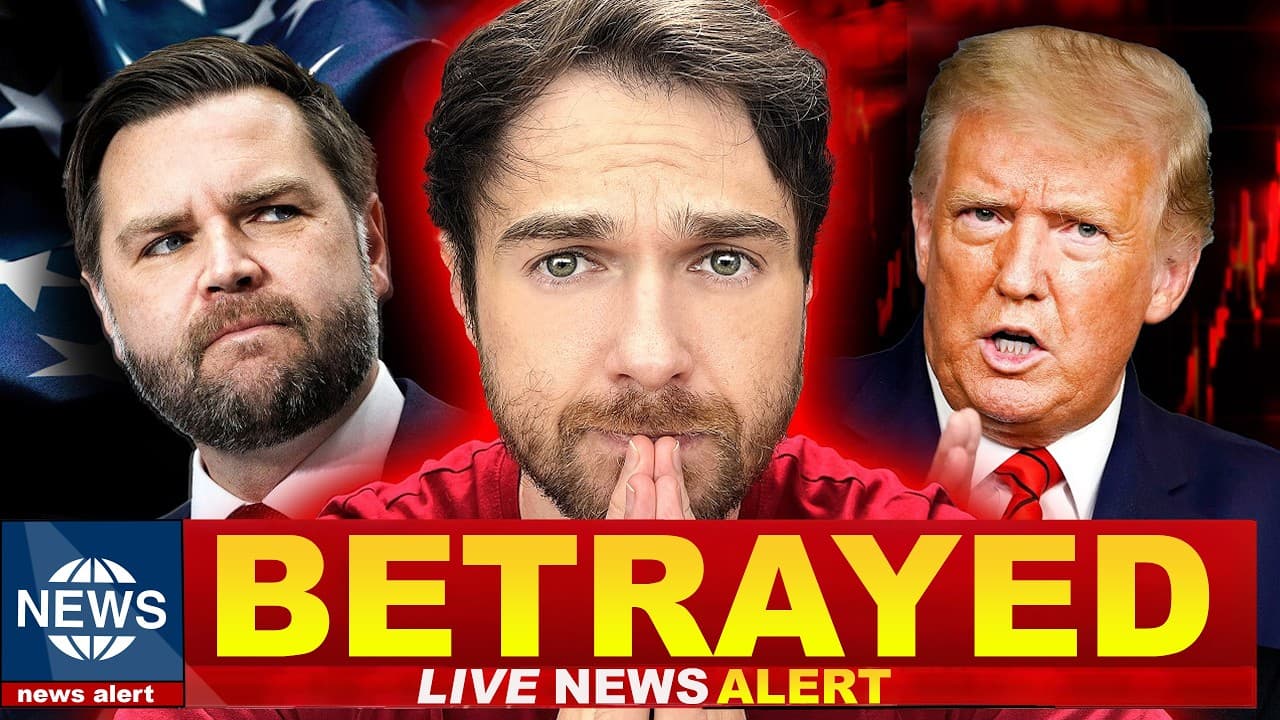
The cancellation of a historic deal between the United States and Iran has led to renewed tensions, affecting global economic stability. Israel's actions in the Middle East, defying US agreements, highlight the complexities of geopolitical interests. The video explores the 'forever war' model, where war is a profitable business, and contrasts it with the emerging need for stability to support technological advancements like AI.
Transcript
So, it looks like the forever war model is coming to an end. >> We initiate, we attack, we surprise, and we attack those enemies that seek our destruction, that seek to kill us, we attack [music] them before they have a chance to do so. If you know Hebrew, akam lo orega ashkel lo orego. Kill them first. >> The next phase of the global economy needs... Read More
Key Insights
- The 'forever war' model profits from continuous conflict, benefiting military and reconstruction industries.
- The Iran deal's cancellation highlights the fragile balance of power in the Middle East.
- Israel acts as a US proxy in the Middle East, maintaining regional instability for strategic interests.
- The US has historically used various strategies to control global resources and power.
- The transition from a war-based economy to a tech-driven one requires global stability.
- AI development necessitates a stable global environment, conflicting with the war model.
- Iran leverages its geopolitical position to influence global economic dynamics.
- The US political system is heavily influenced by financial interests, shaping foreign policy.
Install to Summarize YouTube Videos and Get Transcripts
Explore YouTube Video Summarizer or Get YouTube Transcript Extractor
Questions & Answers
Q: How does the 'forever war' model work?
The 'forever war' model functions by perpetuating continuous conflict, which generates demand for weapons and military interventions. This model benefits industries involved in defense and reconstruction, as war justifies increased military budgets and creates opportunities for rebuilding destroyed areas. It is a cycle where war fuels economic activities that are profitable for certain sectors, especially in the US.
Q: Why was the Iran deal canceled?
The Iran deal was canceled due to violations by Israel, which continued military actions in Lebanon against the terms of the agreement between the US and Iran. This cancellation highlights the complex geopolitical dynamics in the Middle East, where strategic interests and alliances often override diplomatic agreements, affecting global economic stability.
Q: What role does Israel play in US foreign policy?
Israel acts as a strategic proxy for the United States in the Middle East, maintaining regional instability to serve US interests. The US provides Israel with military aid and political support, allowing it to act as a destabilizing force in the region. This relationship supports the 'forever war' model, which benefits from ongoing conflicts and the resulting economic opportunities.
Q: How does the US use economic strategies to control other countries?
The US employs several economic strategies to exert control over other nations, including sanctions that collapse economies, cutting off access to the dollar, and using media to influence internal politics. These methods aim to destabilize governments and create conditions favorable for US interests, allowing for resource extraction and political influence.
Q: What is the impact of the military-industrial complex on global stability?
The military-industrial complex thrives on instability, as it profits from war and reconstruction efforts. This model prioritizes conflict over peace, creating a cycle of continuous warfare that destabilizes regions. This approach conflicts with the emerging need for global stability, which is essential for technological advancements like AI and infrastructure development.
Q: Why is stability important for AI development?
Stability is crucial for AI development because it requires a reliable infrastructure, consistent energy supply, and secure data environments. A stable global landscape ensures that technological investments are protected and can flourish, contrasting with the chaos generated by the 'forever war' model, which disrupts supply chains and hinders technological progress.
Q: How does Iran leverage its geopolitical position?
Iran leverages its strategic geography and energy resources to influence global economic dynamics. By controlling key chokepoints like the Strait of Hormuz, Iran can impact global oil supplies, exerting pressure on international markets. This leverage allows Iran to negotiate from a position of strength, despite military and economic pressures from other nations.
Q: What is the relationship between the US political system and financial interests?
The US political system is heavily influenced by financial interests, where politicians rely on campaign contributions from wealthy donors and corporations. This financial dependency shapes policy decisions, aligning them with the interests of powerful economic entities rather than the general public. This dynamic perpetuates a system where capital holds significant sway over governance.
Summary & Key Takeaways
-
The video argues that the 'forever war' model, driven by continuous conflict, is highly profitable for military and reconstruction industries. However, the recent cancellation of a US-Iran deal underscores the need for stability in the Middle East to support emerging technologies like AI. Israel's role as a US proxy complicates this transition, as it maintains regional instability for strategic interests.
-
The video explores how the US has historically used sanctions, economic pressure, and military interventions to control global resources and power. It contrasts this with the need for a stable environment to support technological advancements, highlighting the tension between the military-industrial complex and the emerging technological-industrial complex.
-
Iran's strategic position allows it to influence global economic dynamics, leveraging its geography and resources. The video suggests that the transition from a war-based economy to a tech-driven one is inevitable, but it requires a shift in geopolitical strategies and a move towards global stability, challenging the current profit-driven war model.
Read in Other Languages (beta)
Share This Summary 📚
Summarize YouTube Videos and Get Video Transcripts with 1-Click
Try YouTube Summary with ChatGPT & Claude or YouTube Transcript Generator
Explore More Summaries from Andrei Jikh 📚

Summarize YouTube Videos and Get Video Transcripts with 1-Click
Try YouTube Summary with ChatGPT & Claude or YouTube Transcript Generator