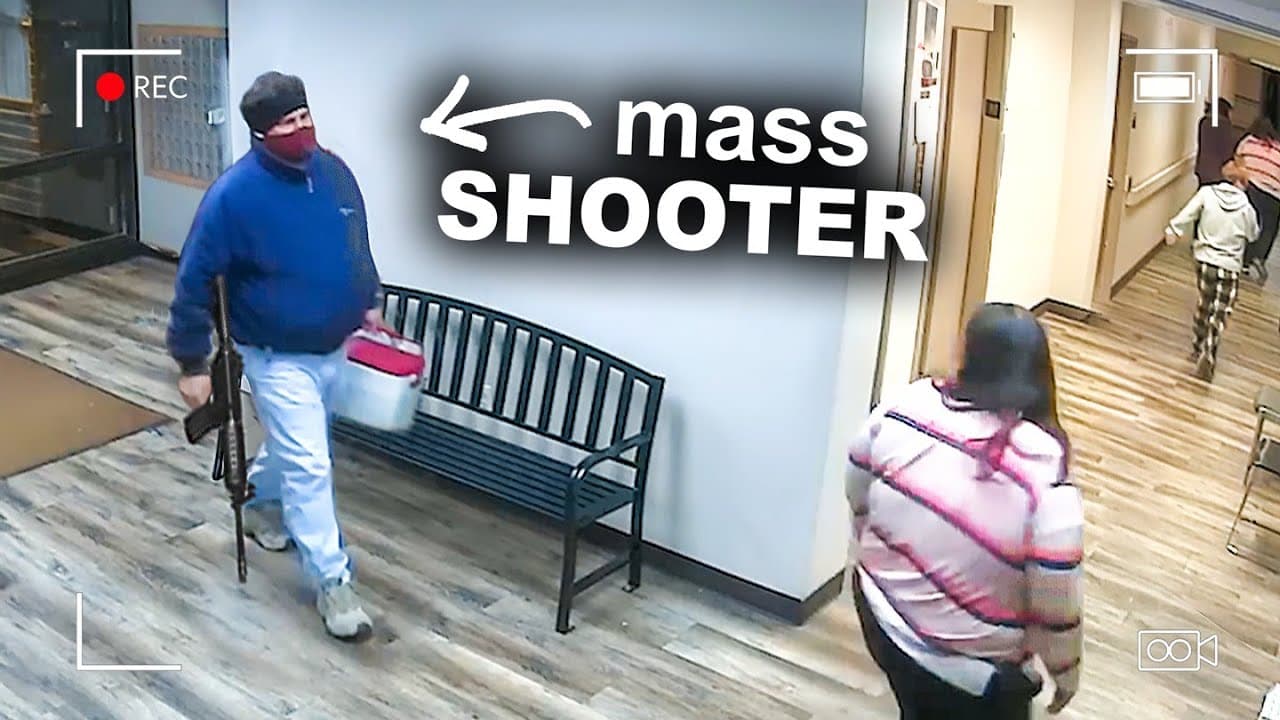
How police captured the Minnesota mass shooter
TL;DR
The scene centers on a deadly ambush at Shady Oaks where officers face unpredictable gunfire. A coordinated evacuation and perimeter plan unfolds as SWAT teams arrive and identify the threat while civilians are moved to safety. The video emphasizes rapid decision making under fire and the critical steps that led to a resolution.
Transcript
It's midnight at the Shady Oaks apartment complex. A resident is walking back to his apartment when suddenly he's shot by an unidentified man. sworn I heard a gunshot or a firecracker and I'm not sure which one. When police rush to the scene, they're immediately faced with a barrage of gunfire targeting anyone who moves and no idea who or how many ... Read More
Key Insights
- The incident begins with a gunfire barrage and a lack of initial information, forcing responders to act with limited situational awareness. The key to progress is rapid threat assessment and perimeter setup.
- The Shady Oaks complex contains many units and low visibility, making it difficult to locate shooters and requiring a methodical search combined with civilian evacuation to reduce casualties.
- Officers establish tactical roles quickly, using a two-pronged approach: one group distracts and pins down shooters, the other clears civilians and secures exits.
- Evacuation becomes a central priority to prevent civilian casualties, with responders prioritizing access routes and safe zones while under fire.
- A critical turning point is when a resident provides a building access key, enabling safer entry and targeted engagement of suspects.
- SWAT and multiple units are called in as the situation escalates, demonstrating the importance of interagency coordination in complex ambush scenarios.
- The narrative underscores the psychological impact on bystanders and responders, linking public safety with mental health awareness and post-incident support.
- The video emphasizes transparency and educational value by framing the event as a real police incident documented for public safety learning.
Install to Summarize YouTube Videos and Get Transcripts
Explore YouTube Video Summarizer or Get YouTube Transcript Extractor
Questions & Answers
Q: A real search query question about the video (e.g. 'How to...', 'What is...', 'Why does...', 'When should...'). Question 1
How do police manage an eight hour standoff with unknown shooters and active gunfire while civilians are in danger. The response relies on rapid threat assessment, establishing a secure perimeter, and evacuating civilians to reduce casualties. Coordinated efforts between patrol officers and SWAT teams create a split strategy where some officers engage the threat while others move people to safety. This organized approach helps contain the threat and enables later stages of the operation.
Q: Question 2
What is the role of evacuation in an active shooter scenario as shown in the video. Evacuation protects civilians by creating safe routes away from gunfire and by removing people from exposed areas. It requires teamwork, clear communication, and constant threat assessment to avoid pulling people toward danger. Evacuation also provides essential space for tactical teams to maneuver and engage suspects without placing more bystanders at risk.
Q: Question 3
Why is perimeter security critical in mass shooting incidents. Perimeter security prevents suspects from moving through the area undetected and stops potential secondary attacks. It also limits civilian exposure to gunfire and creates controlled zones for rescue and medical treatment. A secure perimeter buys responders time to gather intelligence, deploy resources, and plan a safer entry into the building.
Q: Question 4
How does getting a key to access the building change the operation. Access to the building enables responders to verify interior locations, reduce hesitation, and coordinate a more precise engagement with suspects. It also helps with controlled evacuations from specific apartments and allows medical personnel to reach wounded civilians more quickly. This access can significantly shorten the window of danger.
Q: Question 5
What tactical roles do officers assume during the standoff. One group distracts and pins down the shooters, while a second group conducts perimeter sweeps and evacuations. This division allows continuous engagement with the threat while civilians are moved to safety. Clear command and communication are vital to avoid confusion and ensure each team can fulfill its role effectively.
Q: Question 6
How do officers balance threat engagement with civilian protection. They treat every encounter as potentially hostile, use cover and distance, and coordinate with medics to extract the wounded. Prioritizing civilian safety means delaying direct engagement until a safe plan is in place and ensuring evacuation routes remain clear. This balance is essential to minimize further injuries.
Q: Question 7
What is the significance of interagency coordination in such incidents. Multiple units and specialized teams coordinate to cover all aspects of the crisis, from initial response to evacuation and tactical engagement. This cooperation increases the likelihood of quickly stabilizing the scene, sharing intelligence, and providing medical support for victims, while maintaining public safety.
Q: Question 8
What educational value does the video provide about public safety incidents. The footage illustrates decision making under fire, the importance of rapid perimeter setup, evacuation protocols, and how access to critical building points can influence outcomes. It also highlights the mental health and transparency aspects of public safety work, offering lessons for training and awareness.
Summary & Key Takeaways
-
A chaotic early morning at Shady Oaks sets the stage for a high risk manhunt where officers must improvise under heavy gunfire and poor visibility to protect civilians. The narrative follows the evolving perimeter, evacuation, and tactical planning as the danger escalates.
-
With multiple units responding, officers establish a moving target for the shooter while attempting to evacuate residents, gather intelligence, and secure access to the building using a key obtained from a resident. The timeline highlights decision points and coordination among agencies.
-
The conclusion centers on officers adapting to a shifting scene, identifying the source of gunfire, and executing a split approach: distract the shooter while evacuating civilians, culminating in the stabilization of the incident and emergency care for the wounded.
Read in Other Languages (beta)
Share This Summary 📚
Summarize YouTube Videos and Get Video Transcripts with 1-Click
Try YouTube Summary with ChatGPT & Claude or YouTube Transcript Generator
Explore More Summaries from Dr Insanity 📚

Summarize YouTube Videos and Get Video Transcripts with 1-Click
Try YouTube Summary with ChatGPT & Claude or YouTube Transcript Generator